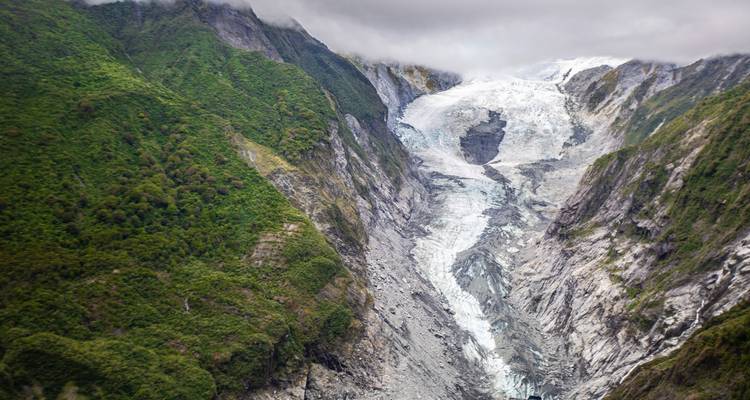
New Zealand Coast

Explore New Zealand

Discover why New Zealand’s stunning landscapes and safe, welcoming atmosphere attract travelers worldwide.

36 Tours
6 Guides
5 Cities
payments

Currency

New Zealand Dollar (NZD)

translate

Language

English, Māori

groups

Population

≈ 5 million

passport

Visa

Visa‑free up to 90 days for many nationals; e‑visa for others

security

Safety

Low crime, generally safe for tourists

savings

Travel Cost

Moderate‑high; meals and transport are mid‑range

wb_sunny

Best Visit

December – February (summer)

New Zealand at a glance

New Zealand offers a blend of dramatic scenery, vibrant cities and a reputation for safety that makes it a standout destination. From the bustling ports of Auckland and Wellington to the historic charm of Christchurch, the country’s 20 cities provide gateways to coastal beaches, alpine ranges and geothermal wonders. Visitors benefit from a stable political environment, low crime rates and a welcoming culture that embraces both English and Māori languages.

New Zealand view New Zealand view

Map View

Explore New Zealand on the map

Centered on the country’s main cities and scaled to keep the full destination in view.

place 5 Attractions public Google Maps style
search
Search area
New Zealand
Country location
New Zealand
Centred from 5 city points.
open_in_new Open in Google Maps

New Zealand travel overview

The country suits a range of travel styles, especially outdoor and cultural journeys. Its temperate maritime climate delivers mild winters and warm summers, ideal for hiking, kayaking and exploring Maori heritage sites. Whether you seek adventure in Fiordland, relaxation on the Bay of Islands, or city‑based arts and cuisine, New Zealand’s moderate‑high travel costs align with mid‑range budgets that balance comfort and experience.

New Zealand view New Zealand view

Essential Travel Tips

Book Early

Popular routes and hotels fill quickly in peak season.

Mix Transport

Use trains between cities and local transit inside centers.

Stay Central

Base yourself near a walkable area to save time.

Cash Ready

Some small vendors still prefer cash for smaller purchases.

Pack Smart

Comfortable shoes matter more than anything else.

Frequently Asked Questions

When is the best time to visit New Zealand? expand_more
The optimal period for most travelers is the Southern Hemisphere summer, from December through February, when temperatures are warm and daylight hours are longest. This season highlights outdoor activities, festivals and the country’s iconic natural scenery.
What visa requirements apply for short stays in New Zealand? expand_more
Many nationalities can enter New Zealand visa‑free for up to 90 days, provided their passport is valid for at least three months beyond the intended stay. Travelers from countries without visa‑free agreements must obtain an electronic travel authority (NZeTA) or a visitor visa before arrival.
How safe is New Zealand for solo travelers? expand_more
New Zealand consistently ranks among the safest countries worldwide. Crime rates are low, and emergency services are reliable. Solo travelers are advised to follow standard precautions, such as securing belongings and respecting local customs, especially in remote outdoor areas.
What is the average daily budget for a mid‑range trip to New Zealand? expand_more
A moderate‑high budget of roughly NZD 150–200 per day covers accommodation in three‑star hotels or well‑rated hostels, meals at casual restaurants, intercity bus travel and entry fees to major attractions. Costs can rise in popular tourist hubs during peak season.
Which cities are popular entry points for tourists arriving in New Zealand? expand_more
Auckland, Wellington and Christchurch serve as the main international gateways, each hosting large airports with regular flights from Europe, North America and Asia. These cities also provide connections to domestic transport networks, making them convenient starting points for exploring the rest of the country.
What climate can visitors expect across New Zealand? expand_more
New Zealand experiences a temperate maritime climate. The North Island tends to be warmer, with mild winters and warm summers, while the South Island has cooler temperatures and more pronounced seasonal changes. Rainfall is spread throughout the year, and weather can shift quickly in mountainous regions.
What are the must‑see natural attractions in New Zealand? expand_more
Key natural highlights include the fjords of Milford Sound, the geothermal wonderland of Rotorua, the volcanic plateau of Tongariro, the pristine beaches of the Bay of Islands, and the Southern Alps that run through Queenstown and Christchurch. These sites showcase the country’s diverse landscapes.
Which cultural experiences are unique to New Zealand? expand_more
Visitors can engage with Māori culture through traditional haka performances, marae visits, and art galleries displaying carving and weaving. Many towns host weekly markets featuring local crafts, and the country’s film legacy, especially the “Lord of the Rings” locations, adds a distinctive cultural layer.
What are the main options for traveling between major New Zealand cities? expand_more
Domestic flights are the fastest way to cover long distances, linking Auckland, Wellington, Christchurch and other hubs. Intercity bus services provide affordable ground travel, while rental cars and campervans offer flexibility for scenic road trips. Ferries connect the North and South Islands via the Cook Strait.
Is public transport reliable within New Zealand’s cities? expand_more
Urban public transport is generally reliable, with regular bus services in Auckland, Wellington and Christchurch. Wellington also features a commuter rail line. While coverage is good in city centres, suburban and rural areas may require taxis, rideshares or rental vehicles for convenient access.