Philippines Coast

Explore the Philippines

Discover vibrant cities, tropical islands and friendly culture in the Philippines.

35 Tours
6 Guides
5 Cities
payments

Currency

Philippine Peso (PHP)

translate

Language

Filipino, English

groups

Population

≈113 million

passport

Visa

Visa‑free 30 days for many nationals; otherwise visa required

security

Safety

Generally safe; use standard precautions

savings

Travel Cost

Moderate; budget to mid‑range options available

wb_sunny

Best Visit

November – April (dry season)

Philippines at a glance

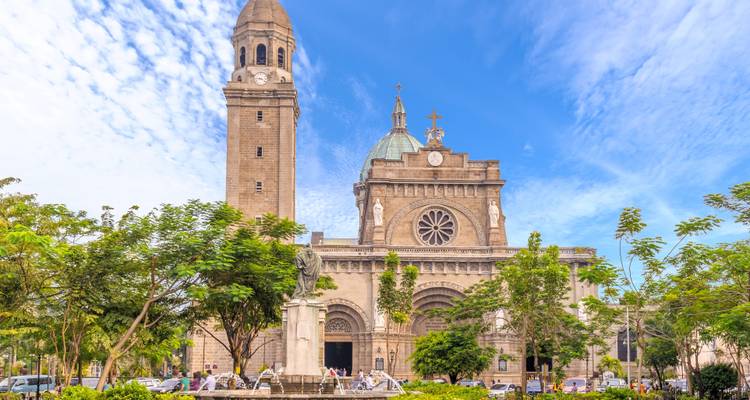
The Philippines, an archipelago of over 7,000 islands, combines bustling urban centers with pristine natural scenery. With a population of around 113 million, the country uses the Philippine peso and communicates in Filipino and English. Major cities such as Manila, Quezon City, Davao City and Cebu City serve as cultural and economic hubs. Its tropical climate offers a dry season from November to April, making those months ideal for travel.

Philippines view Philippines view

Map View

Explore Philippines on the map

Centered on the country’s main cities and scaled to keep the full destination in view.

place 5 Attractions public Google Maps style
search
Search area
Philippines
Country location
Philippines
Centred from 5 city points.
open_in_new Open in Google Maps

Philippines travel overview

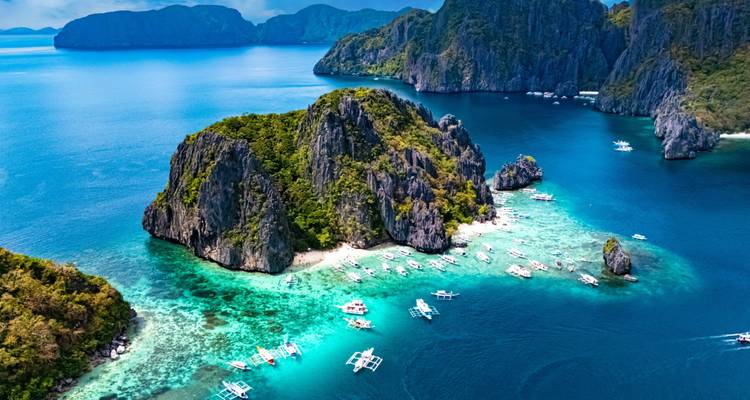
The Philippines suits a range of trips, from city explorations and cultural immersion to beach and nature adventures. Visitors can enjoy urban attractions during the dry season and then venture to coastal areas for snorkeling, diving and island hopping. The moderate travel cost supports both budget and mid‑range itineraries, while the widespread use of English eases navigation across the islands.

Philippines view Philippines view

Essential Travel Tips

Book Early

Popular routes and hotels fill quickly in peak season.

Mix Transport

Use trains between cities and local transit inside centers.

Stay Central

Base yourself near a walkable area to save time.

Cash Ready

Some small vendors still prefer cash for smaller purchases.

Pack Smart

Comfortable shoes matter more than anything else.

Frequently Asked Questions

When is the ideal time to travel to the Philippines? expand_more
The most favorable period is the dry season, which runs from November through April. During these months rainfall is limited, temperatures are warm, and conditions are suitable for outdoor activities such as beach visits, island hopping and city tours.
What visa requirements apply to most travelers? expand_more
Many nationalities, including citizens of the United States, Canada, the European Union and Australia, can enter the Philippines without a visa for stays up to 30 days. Travelers who need a longer stay or are from countries without visa‑free access must obtain a visa from a Philippine embassy or consulate before arrival.
Which currency should I bring and are ATMs widely available? expand_more
The official currency is the Philippine peso (PHP). ATMs are common in major cities such as Manila, Cebu City and Davao City, and most accept international cards. It is advisable to carry some cash for smaller establishments, especially on remote islands where card acceptance may be limited.
What safety considerations should tourists keep in mind? expand_more
The Philippines is generally safe for visitors, but petty crime such as pickpocketing can occur in crowded areas. Travelers should keep valuables secure, avoid poorly lit streets at night, and stay informed about local advisories. Following standard travel precautions helps ensure a trouble‑free experience.
How much does a typical mid‑range trip to the Philippines cost? expand_more
A mid‑range budget usually covers accommodation in three‑star hotels, meals at local restaurants, inter‑island flights and occasional guided tours. Expect daily expenses of roughly USD 50‑80 per person, though costs can vary depending on destination, season and personal preferences.
What are the most visited cities in the Philippines? expand_more
Key urban destinations include Manila, the capital; Quezon City, a major commercial hub; Cebu City, known for historic sites and nearby beaches; Davao City, noted for its natural parks; and Zamboanga City, a cultural crossroads. These cities provide access to transportation, attractions and accommodations.
What climate can I expect during the dry season? expand_more
During the dry season the Philippines experiences warm temperatures ranging from 27 °C to 33 °C (80 °F‑91 °F) with low humidity and minimal rainfall. This climate is ideal for outdoor activities, beach outings and exploring cultural sites without frequent weather interruptions.
Which regions are renowned for beach and island experiences? expand_more
The central Visayas, including Boracay, Palawan and Cebu, are famous for white‑sand beaches and clear waters. In the southern region, Mindanao’s Siargao Island offers surf spots, while the Bohol archipelago provides coral reefs and limestone formations popular with divers and snorkelers.
What cultural experiences are unique to the Philippines? expand_more
Visitors can attend traditional festivals such as Sinulog in Cebu and Ati‑Atihan in Kalibo, explore historic churches dating to Spanish colonization, and sample local cuisine featuring dishes like adobo and lechon. The blend of indigenous, Spanish and Asian influences creates a distinctive cultural tapestry.
What are the main options for traveling between the Philippines' islands? expand_more
Inter‑island travel is typically handled by domestic flights, which connect major airports quickly, and by ferries or fast craft for shorter routes. Airlines such as Philippine Airlines, Cebu Pacific and AirAsia provide frequent services, while major ports in Manila, Cebu and Davao support sea travel.