
Republic of the Congo Coast

Explore the Republic of the Congo

Discover the culture, cities, and natural landscapes of the Republic of the Congo.

0 Tours
6 Guides
20 Cities
payments

Currency

Central African CFA franc (XAF)

translate

Language

French

groups

Population

Approximately 5.5 million

passport

Visa

Visa required for most travelers; obtain in advance or via e‑visa

security

Safety

Moderate; exercise standard precautions, especially in border areas

savings

Travel Cost

Moderate; budget‑friendly options available

wb_sunny

Best Visit

Dry season June‑September and December‑February

Republic of the Congo at a glance

The Republic of the Congo, often called Congo‑Brazzaville, operates on West Africa Time (UTC+1) and uses the Central African CFA franc. French serves as the official language across its urban and rural settings. With a population near 5.5 million, the country offers a tropical climate marked by distinct wet and dry periods. Major urban centers such as Brazzaville, Pointe‑Noire, Dolisie and others provide cultural and economic hubs for visitors.
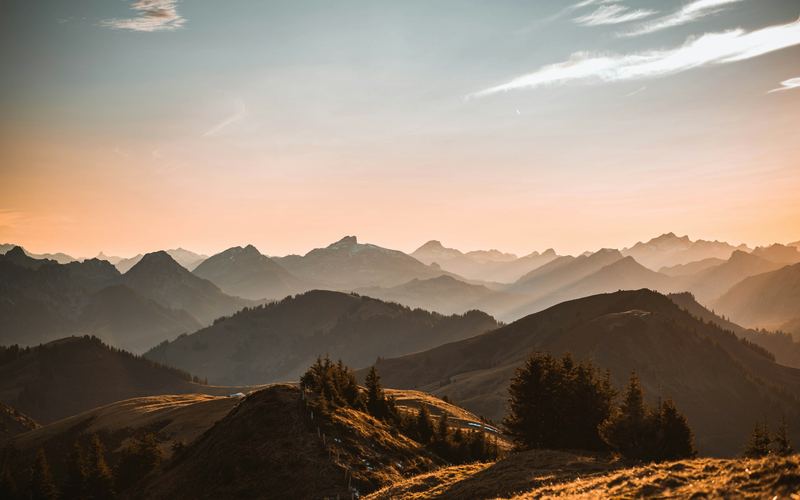
Republic of the Congo view Republic of the Congo view

Map View

Explore Republic of the Congo on the map

Centered on the country’s main cities and scaled to keep the full destination in view.

place 20 Attractions public Google Maps style
search
Search area
Republic of the Congo
Country location
Republic of the Congo
Centred from 20 city points.
open_in_new Open in Google Maps

Republic of the Congo travel overview

Travelers seeking wildlife encounters, river excursions, or cultural city tours find the Republic of the Congo well‑suited to those interests. The dry months of June‑September and December‑February present clearer skies and reduced rainfall, facilitating movement between attractions. Safety conditions are moderate, encouraging standard travel precautions, while overall costs remain moderate, allowing for affordable accommodation, meals and transport options.

Republic of the Congo view Republic of the Congo view

Essential Travel Tips

Book Early

Popular routes and hotels fill quickly in peak season.

Mix Transport

Use trains between cities and local transit inside centers.

Stay Central

Base yourself near a walkable area to save time.

Cash Ready

Some small vendors still prefer cash for smaller purchases.

Pack Smart

Comfortable shoes matter more than anything else.

Frequently Asked Questions

What documents are needed to obtain a visa for the Republic of the Congo? expand_more
Applicants must present a passport valid for at least six months, a completed visa application form, recent passport‑size photos, proof of accommodation, a confirmed return ticket, and, where required, an invitation letter. Fees are paid at the consulate or through the e‑visa portal, and processing times vary by nationality.
When is the optimal time of year to travel to the Republic of the Congo? expand_more
Travel is most favorable during the dry periods of June to September and December to February. These months experience lower rainfall, clearer skies and more reliable road conditions, which enhance access to wildlife parks, river trips and urban sightseeing.
How much should a traveler budget per day in the Republic of the Congo? expand_more
A moderate daily budget ranges from US $40 to $60 for budget accommodations, local meals and basic transport. Mid‑range travelers may spend between US $80 and $120 per day, covering higher‑grade hotels, guided activities and occasional domestic flights.
Which cities are most frequently visited by tourists? expand_more
Brazzaville, the capital, draws visitors for its riverfront and cultural sites. Pointe‑Noire, the main port city, offers coastal attractions and access to nearby national parks. Dolisie and Nkayi are also common stops for travelers exploring the interior and regional markets.
Are there any health requirements or vaccinations recommended for visitors? expand_more
Yellow fever vaccination is required for entry and a certificate must be presented. Health authorities also advise immunizations against hepatitis A and B, typhoid and routine vaccines. Malaria prophylaxis is recommended due to the tropical environment, and travelers should use insect repellent and bed nets.
What are the main attractions in Brazzaville? expand_more
Key sites include the Basilica of Sainte‑Anne, the scenic Congo River waterfront promenade, the National Museum of the Republic of the Congo, and Léopold Sédar Senghor Park. These locations showcase the city’s colonial architecture, artistic heritage and riverine scenery.
What natural experiences are available in the Republic of the Congo? expand_more
The country hosts extensive rainforest ecosystems such as Odzala‑Kokoua National Park, renowned for forest elephants and lowland gorillas. Nouabalé‑Ndoki National Park offers pristine habitats for birdwatching. River excursions on the Ogooué and Congo Rivers provide opportunities for fishing, wildlife spotting and cultural interaction with riverine communities.
How does the climate vary across the country? expand_more
Lowland regions are hot and humid year‑round, with two rainy seasons (March‑May and October‑November). Highland areas experience cooler temperatures, especially during the dry months. The dry season brings lower humidity and more comfortable daytime temperatures throughout most of the territory.
What are the main international airports serving the Republic of the Congo? expand_more
Maya‑Maya Airport (BZV) in Brazzaville and Agostinho‑Neto Airport (PNR) in Pointe‑Noire handle most international flights. Both airports connect to regional hubs in Africa and limited direct services from Europe, facilitating entry for most travelers.
How can travelers move between major cities like Brazzaville and Pointe‑Noire? expand_more
Domestic flights operate between Brazzaville and Pointe‑Noire, offering the quickest link. Long‑distance bus services run along the coastal corridor, while private car hires are available for flexible itineraries. Road conditions can vary, so checking current reports before departure is advisable.