
Russia Coast

Discover Russia

Essential travel facts for exploring Russia’s major cities and diverse landscapes.

0 Tours
6 Guides
5 Cities
payments

Currency

Russian ruble (RUB)

translate

Language

Russian

groups

Population

Approximately 146 million

passport

Visa

Visa required for most travelers; e‑visa available for select countries

security

Safety

Generally safe in major tourist areas; standard precautions advised

savings

Travel Cost

Moderate; budget options exist in many cities

wb_sunny

Best Visit

May – September (late spring to early autumn)

Russia at a glance

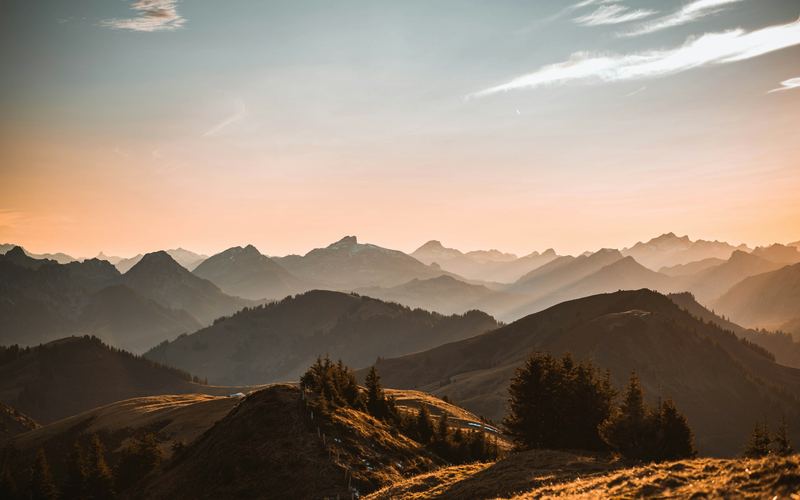
Russia, spanning eleven time zones and home to over 146 million people, offers a blend of historic urban centers and varied climate zones. From the cultural hubs of Moscow and Saint Petersburg to Siberian cities such as Novosibirsk and Krasnoyarsk, the country presents a wide range of experiences across its continental climate, with cold winters and warm summers.
Russia view Russia view

Map View

Explore Russia on the map

Centered on the country’s main cities and scaled to keep the full destination in view.

place 5 Attractions public Google Maps style
search
Search area
Russia
Country location
Russia
Centred from 5 city points.
open_in_new Open in Google Maps

Russia travel overview

Travelers seeking city‑focused itineraries, cultural exploration, or seasonal nature experiences find Russia suitable. The May‑September window provides mild weather for sightseeing in major cities and outdoor activities. With moderate overall costs and generally safe conditions in tourist areas, visitors can plan budget‑friendly trips that balance urban attractions with the country’s expansive landscapes.

Russia view Russia view

Essential Travel Tips

Book Early

Popular routes and hotels fill quickly in peak season.

Mix Transport

Use trains between cities and local transit inside centers.

Stay Central

Base yourself near a walkable area to save time.

Cash Ready

Some small vendors still prefer cash for smaller purchases.

Pack Smart

Comfortable shoes matter more than anything else.

Frequently Asked Questions

What is the best time of year to visit Russia? expand_more
The most favorable period for visiting Russia is from May through September. During these months the weather is milder across most regions, allowing comfortable sightseeing in cities such as Moscow and Saint Petersburg and facilitating outdoor activities in the countryside.
Do I need a visa to travel to Russia? expand_more
Most foreign nationals must obtain a visa before entering Russia. Some travelers can apply for an electronic visa (e‑visa) if their country is eligible, while citizens of a limited number of states enjoy visa‑free entry for short stays. Always verify the latest requirements with the nearest Russian consulate.
What currency should I use in Russia and can I exchange it? expand_more
The official currency in Russia is the Russian ruble (RUB). Currency exchange services are widely available at airports, major banks, and authorized exchange offices in larger cities. Credit and debit cards are accepted in many establishments, but it is advisable to carry some cash for smaller vendors.
How many major cities are popular for tourists in Russia? expand_more
Russia lists twenty cities as notable destinations. The most frequently visited include Moscow, Saint Petersburg, Novosibirsk, Yekaterinburg, Kazan, Nizhniy Novgorod, Chelyabinsk, Omsk, Samara, Rostov‑on‑Don, Ufa, and Krasnoyarsk, each offering distinct cultural and historical attractions.
What is the typical cost range for a traveler in Russia? expand_more
Travel expenses in Russia are generally moderate. Budget travelers can find affordable accommodation, meals, and public transportation, especially outside the capital. Mid‑range visitors may spend more on centrally located hotels and guided tours, while luxury spending is concentrated in high‑end establishments in Moscow and Saint Petersburg.
Which Russian cities are most visited by tourists? expand_more
The most visited Russian cities are Moscow and Saint Petersburg, known for their historic architecture and museums. Other popular destinations include Novosibirsk, Yekaterinburg, Kazan, and Nizhniy Novgorod, each offering regional culture, architecture, and events that attract domestic and international travelers.
What type of climate can I expect during a summer trip to Russia? expand_more
During summer, Russia experiences a continental climate with warm to hot temperatures in most regions. Southern and western areas such as Moscow and Saint Petersburg often see daytime highs between 20 °C and 30 °C, while Siberian locations may remain cooler but still pleasant for outdoor activities.
How many time zones does Russia cover? expand_more
Russia spans eleven time zones, ranging from UTC+2 in its westernmost territories to UTC+12 in the far eastern regions. This extensive range reflects the country's vast east‑west geographic breadth.
What are common ways to travel between Russian cities? expand_more
Domestic air travel, long‑distance rail services—including the Trans‑Siberian Railway—and intercity bus routes are the primary methods for moving between Russian cities. High‑speed trains connect major hubs such as Moscow and Saint Petersburg, while budget airlines serve many regional destinations.
Are there direct flights between Moscow and Saint Petersburg? expand_more
Yes, multiple airlines operate frequent direct flights between Moscow and Saint Petersburg. The flight duration is roughly one hour and provides a quick option for travelers who prefer air travel over rail or road connections.