
Rwanda Coast

Rwanda Travel Guide

Essential facts and tips for visiting Rwanda, the Land of a Thousand Hills.

3 Tours
6 Guides
5 Cities
payments

Currency

Rwandan franc (RWF)

translate

Language

Kinyarwanda, English, French, Swahili

groups

Population

≈13 million

passport

Visa

Visa on arrival or e‑visa for many nationals; some East African Community citizens travel visa‑free

security

Safety

Generally low crime; standard tourist precautions advised

savings

Travel Cost

Mid‑range; typical daily budget US$50–100

wb_sunny

Best Visit

Dry season June‑September and December‑February

Rwanda at a glance

Rwanda, located in the heart of East Africa, is known for its rolling hills, volcanic mountains, and a rich array of wildlife. The country offers protected areas such as Volcanoes National Park, home to mountain gorillas, and Akagera National Park, which hosts savanna species. Cultural heritage is reflected in its cities, museums, and the multilingual population.
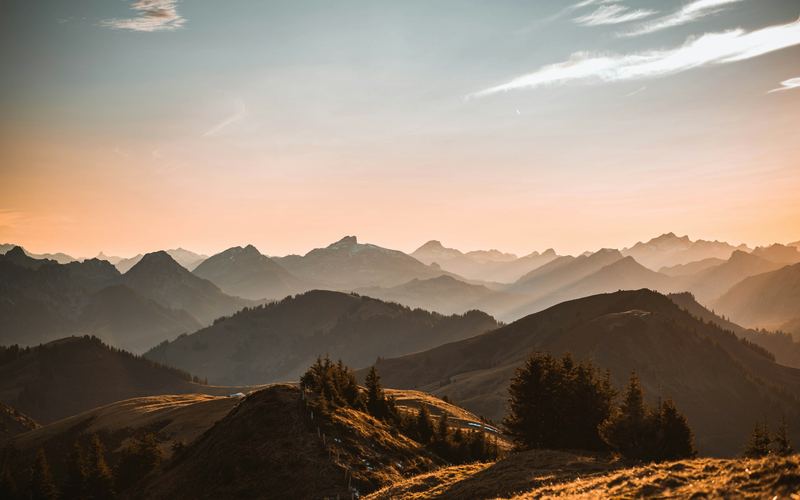
Rwanda view Rwanda view

Map View

Explore Rwanda on the map

Centered on the country’s main cities and scaled to keep the full destination in view.

place 5 Attractions public Google Maps style
search
Search area
Rwanda
Country location
Rwanda
Centred from 5 city points.
open_in_new Open in Google Maps

Rwanda travel overview

The destination suits travelers seeking wildlife encounters, trekking on volcanic terrain, and lakeside relaxation. Gorilla trekking, volcano hikes, and boat trips on Lake Kivu are popular activities. Urban visitors can explore Kigali’s markets and museums, while cultural tourists may visit historic towns like Butare and Gisenyi.

Rwanda view Rwanda view

Essential Travel Tips

Book Early

Popular routes and hotels fill quickly in peak season.

Mix Transport

Use trains between cities and local transit inside centers.

Stay Central

Base yourself near a walkable area to save time.

Cash Ready

Some small vendors still prefer cash for smaller purchases.

Pack Smart

Comfortable shoes matter more than anything else.

Frequently Asked Questions

What visa options are available for travelers to Rwanda? expand_more
Most visitors can obtain a visa on arrival at Kigali International Airport or apply for an e‑visa online before travel. Citizens of the East African Community enter without a visa. The visa fee is paid in USD or RWF and is valid for 30 days, with the possibility of extension.
When is the best time of year to visit Rwanda? expand_more
The optimal periods are the dry seasons from June to September and from December to February, when rainfall is minimal and wildlife viewing, especially gorilla trekking, is most reliable. During these months roads are in good condition and temperatures are moderate.
How much does a typical day cost for a visitor in Rwanda? expand_more
A typical daily budget in Rwanda ranges from US$50 to US$100, covering mid‑range accommodation, meals, local transport and entry fees for popular sites. Costs rise for specialized activities such as gorilla permits, which are priced separately.
Which cities should I include in a Rwanda itinerary? expand_more
Key cities for a Rwanda itinerary include Kigali, the capital and main transport hub; Musanze, gateway to Volcanoes National Park; Gisenyi on Lake Kivu; Butare, known for its university and cultural museum; and Kibuye for lakeside relaxation.
Is Rwanda considered safe for tourists? expand_more
Rwanda is regarded as one of the safer destinations in East Africa, with low levels of violent crime. Travelers are advised to keep valuables secure, use reputable transport services, and stay informed about local advisories, especially after dark in less populated areas.
What wildlife experiences are unique to Rwanda? expand_more
Rwanda offers wildlife experiences such as tracking endangered mountain gorillas in Volcanoes National Park, spotting lions, elephants and hippos in Akagera National Park, and birdwatching with over 700 species across its varied habitats.
What climate can I expect during the dry season? expand_more
During the dry season Rwanda experiences warm days with average highs of 24–28 °C and cooler nights, while rainfall drops below 50 mm per month. The clear skies provide good visibility for trekking and sightseeing.
How do I get to Rwanda from major international hubs? expand_more
International travelers typically arrive via Kigali International Airport, which receives flights from major African hubs such as Nairobi, Addis Ababa, and Johannesburg, as well as limited connections from Europe and the Middle East. Visa procedures are completed on arrival or online.
What are the main options for internal travel between Rwandan cities? expand_more
Between Rwandan cities, options include scheduled domestic flights, intercity bus services, and private car hires. Roads are paved and connect Kigali to most major towns, while the Rwanda Railway project is under development but not yet operational.
What currencies are accepted and where can I exchange money? expand_more
The official currency is the Rwandan franc (RWF). Exchange services are available at banks, hotels and authorized bureaux de change in Kigali and other large towns. ATMs dispense RWF and accept major credit cards, while small vendors often prefer cash.