
San Marino Coast

Explore San Marino

A historic micro‑state nestled in Italy, offering medieval charm and panoramic views.

0 Tours
6 Guides
5 Cities
payments

Currency

Euro (EUR)

translate

Language

Italian

groups

Population

around 34,000

passport

Visa

Visa‑free for most tourists (Schengen rules apply)

security

Safety

Low crime, generally safe for visitors

savings

Travel Cost

Moderate to high; prices similar to Italy

wb_sunny

Best Visit

Late spring (May‑June) or early autumn (September)

San Marino at a glance

San Marino, one of the world’s smallest republics, sits on a hilltop in central Italy. Its historic centre, a UNESCO World Heritage site, is surrounded by fortified towers and narrow streets. With 15 charming towns—including Serravalle, Dogana, and the capital San Marino—travelers can experience a blend of medieval architecture, panoramic vistas, and a distinct cultural identity that sets the country apart.
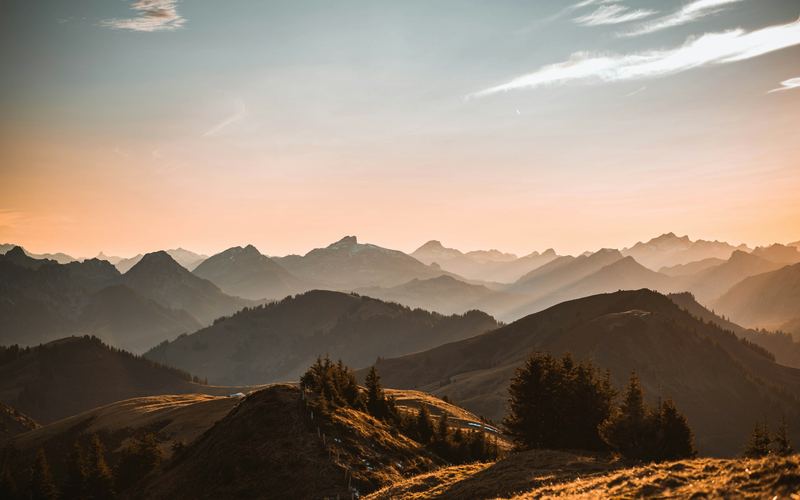
San Marino view San Marino view

Map View

Explore San Marino on the map

Centered on the country’s main cities and scaled to keep the full destination in view.

place 5 Attractions public Google Maps style
search
Search area
San Marino
Country location
San Marino
Centred from 5 city points.
open_in_new Open in Google Maps

San Marino travel overview

The country is ideal for cultural and heritage trips, day‑cations, and scenic hikes. Visitors can explore ancient fortresses, enjoy local cuisine, and wander through picturesque towns. Its compact size makes it perfect for self‑guided tours or short guided experiences, allowing travelers to soak in history and natural beauty without long travel times.

San Marino view San Marino view

Essential Travel Tips

Book Early

Popular routes and hotels fill quickly in peak season.

Mix Transport

Use trains between cities and local transit inside centers.

Stay Central

Base yourself near a walkable area to save time.

Cash Ready

Some small vendors still prefer cash for smaller purchases.

Pack Smart

Comfortable shoes matter more than anything else.

Frequently Asked Questions

How do I get to San Marino from major European cities? expand_more
Most travelers reach San Marino by flying into Italy’s nearest airports—Rimini (RMI) or Bologna (BLQ)—and then taking a bus, train, or car to the border town of Rimini. From there, a regular shuttle or taxi covers the 10‑km drive to the city of San Marino. The route is well signposted and takes about 30‑45 minutes.
What is the best time of year to visit San Marino? expand_more
Late spring (May‑June) and early autumn (September) offer mild temperatures, clear skies, and fewer crowds, making them the most pleasant periods for sightseeing and outdoor activities. Summer can be warm, while winter is cooler but still suitable for exploring indoor attractions.
How many days are recommended to explore San Marino’s main attractions? expand_more
A stay of two to three days allows visitors to see the major historic sites, such as the Three Towers, the Palazzo Pubblico, and the Basilica di San Marino, while also enjoying a day trip to surrounding Italian towns. This timeframe balances sightseeing with relaxed exploration.
Do I need a visa to travel to San Marino? expand_more
San Marino follows Schengen visa rules. Citizens of the EU, the US, Canada, Australia, and many other countries can enter visa‑free for tourism stays up to 90 days. Travelers from nations requiring a Schengen visa should obtain one before arrival, as the same entry requirements apply.
What currency is used and can I use credit cards in San Marino? expand_more
The Euro (EUR) is the official currency. Credit and debit cards are widely accepted in hotels, restaurants, and shops, especially in larger towns like Serravalle and the capital. ATMs are available in the main urban areas, and smaller establishments may prefer cash.
Which towns in San Marino are most popular for tourists? expand_more
The capital city of San Marino, Borgo Maggiore, and Serravalle attract the most visitors due to their historic centers, museums, and shopping options. Dogana, located near the Italian border, is a common entry point, while Valdragone and Acquaviva offer quieter, scenic experiences.
What historic sites are must‑see in San Marino? expand_more
Key attractions include the three medieval towers—Guaita, Cesta, and Montale—offering panoramic views, the Palazzo Pubblico (town hall) with its historic council chamber, and the Basilica di San Marino, the nation’s patron saint’s church. The historic centre is a UNESCO World Heritage site.
What kind of climate can I expect during a summer visit? expand_more
Summers in San Marino are warm, with average daytime temperatures ranging from 24 °C to 30 °C (75 °F‑86 °F). The climate is Mediterranean, so sunshine dominates, though occasional thunderstorms can occur in late summer.
What outdoor activities are available in San Marino? expand_more
Visitors can hike the surrounding Apennine hills, explore the winding trails that link the historic towers, and enjoy cycling routes that pass through vineyards and olive groves. The elevated position also makes it a popular spot for paragliding and scenic photography.
Is there public transportation within San Marino? expand_more
San Marino operates a limited local bus network that connects the main towns and tourist sites. Buses run frequently during peak hours, and a day pass offers unlimited travel. Taxis and rental cars are also available for more flexible itineraries.