
Sierra Leone Coast

Explore Sierra Leone

Discover Sierra Leone’s culture, cities and natural beauty with essential travel details.

0 Tours
6 Guides
5 Cities
payments

Currency

Sierra Leonean leone (SLL)

translate

Language

English (official)

groups

Population

Approximately 8 million

passport

Visa

Visa required for most travelers; e‑visa or visa on arrival available for some nationals

security

Safety

Moderate safety concerns; standard precautions recommended

savings

Travel Cost

Budget‑friendly; lower‑mid range expenses

wb_sunny

Best Visit

November to April (dry season)

Sierra Leone at a glance

Sierra Leone, located on West Africa’s Atlantic coast, offers a blend of historic towns, vibrant markets and diverse landscapes. English serves as the official language, facilitating communication for many visitors. The country uses the Sierra Leonean leone and is home to roughly eight million people. Its tropical climate brings a rainy season from May to October and a dry, cooler period from November to April, which is also the most popular time for travel. While safety levels are moderate, travelers are advised to stay aware and follow local guidance.
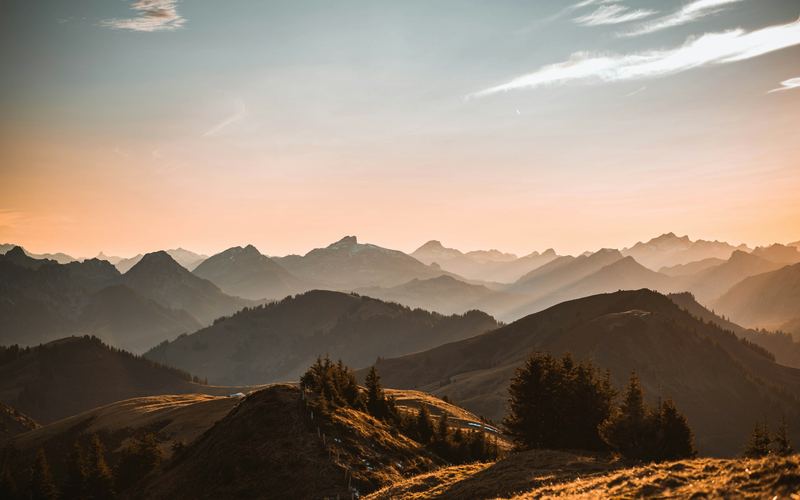
Sierra Leone view Sierra Leone view

Map View

Explore Sierra Leone on the map

Centered on the country’s main cities and scaled to keep the full destination in view.

place 5 Attractions public Google Maps style
search
Search area
Sierra Leone
Country location
Sierra Leone
Centred from 5 city points.
open_in_new Open in Google Maps

Sierra Leone travel overview

The country is well suited for cultural and nature‑focused trips that fit a modest budget. Visitors can explore bustling cities such as Freetown, Bo and Kenema, as well as coastal beaches and inland forests during the dry months when weather is most comfortable. The affordable cost of accommodation, food and transport makes Sierra Leone attractive to backpackers and independent travelers seeking authentic experiences without high expenses.

Sierra Leone view Sierra Leone view

Essential Travel Tips

Book Early

Popular routes and hotels fill quickly in peak season.

Mix Transport

Use trains between cities and local transit inside centers.

Stay Central

Base yourself near a walkable area to save time.

Cash Ready

Some small vendors still prefer cash for smaller purchases.

Pack Smart

Comfortable shoes matter more than anything else.

Frequently Asked Questions

Do I need a visa to travel to Sierra Leone? expand_more
Most travelers must obtain a visa before arrival. Some nationalities are eligible for an e‑visa or a visa on arrival, but it is recommended to check the specific requirements for your country and apply in advance to avoid delays.
What is the best time of year to visit Sierra Leone? expand_more
The optimal travel window is from November through April, when the country experiences its dry season. During these months rainfall is minimal, temperatures are milder and road conditions are generally better for exploring both coastal and inland areas.
Which currency is used and can I exchange money easily? expand_more
The official currency is the Sierra Leonean leone (SLL). Major banks and exchange bureaus in larger cities such as Freetown and Bo provide currency exchange services. Credit cards are accepted at some hotels and larger establishments, but carrying local cash is advisable for markets and smaller vendors.
Is English spoken throughout Sierra Leone? expand_more
English is the official language and is used in government, education and most business settings. While many locals also speak Krio and other indigenous languages, English is widely understood in urban areas and among tourism‑related services.
How safe is Sierra Leone for tourists? expand_more
Safety is considered moderate. Petty crime such as pickpocketing can occur, especially in crowded markets and at night. Travelers should keep valuables secure, avoid isolated areas after dark and stay informed about local advisories.
What is a typical daily travel budget in Sierra Leone? expand_more
Budget‑friendly travel is possible, with daily costs for accommodation, meals and local transport often ranging between $30 and $60 USD. Mid‑range options may increase the total to $70‑$100 USD per day, depending on personal preferences.
Which cities are recommended for first‑time visitors? expand_more
Freetown, the capital, offers historic sites and coastal views. Bo and Kenema provide insight into regional culture and markets. Smaller towns such as Makeni, Koidu and Port Loko also showcase local life and can be added to a broader itinerary.
What climate should I expect during the dry season? expand_more
During the dry season (November‑April) temperatures are warm, typically ranging from 24 °C to 30 °C (75 °F‑86 °F). Humidity is lower than in the rainy months, and rainfall is scarce, making outdoor activities more comfortable.
How can I travel between major cities? expand_more
Inter‑city travel is mainly by road, using private taxis, minibusses (known locally as “trotros”) or hired cars. Road conditions improve during the dry season, but some routes may still be rough, so allowing extra travel time is advisable.
Are there direct international flights to Sierra Leone? expand_more
International arrivals are primarily through Lungi International Airport near Freetown. Several airlines operate direct flights from European hubs such as London, Brussels and Amsterdam, as well as from regional African cities.