
Slovakia Coast

Discover Slovakia

Your guide to Slovakia’s travel essentials, from visas to the best visiting season.

2 Tours
6 Guides
5 Cities
payments

Currency

Euro (EUR)

translate

Language

Slovak

groups

Population

Approximately 5.4 million

passport

Visa

Schengen visa‑free for short stays up to 90 days for EU/EEA and many other nationals

security

Safety

Generally safe with low crime rates; standard precautions advised

savings

Travel Cost

Moderate compared with Western Europe

wb_sunny

Best Visit

Late spring to early autumn (May‑September)

Slovakia at a glance

Slovakia, located in Central Europe, offers a blend of historic towns and natural landscapes. The country uses the Euro and the official language is Slovak, with a population of about 5.4 million people. Visitors benefit from a generally safe environment and a continental climate that provides warm summers and cold winters. The most favorable travel window runs from late spring through early autumn, when weather conditions support a wide range of activities.
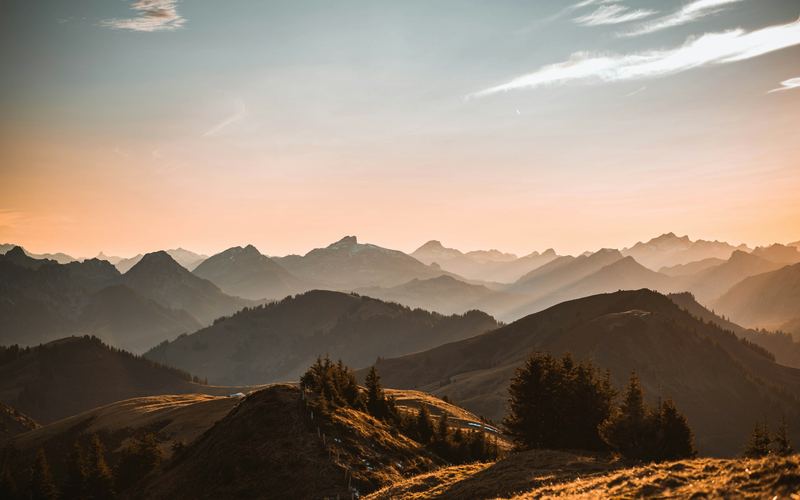
Slovakia view Slovakia view

Map View

Explore Slovakia on the map

Centered on the country’s main cities and scaled to keep the full destination in view.

place 5 Attractions public Google Maps style
search
Search area
Slovakia
Country location
Slovakia
Centred from 5 city points.
open_in_new Open in Google Maps

Slovakia travel overview

The country suits travelers seeking city exploration, cultural heritage, and outdoor adventure on a moderate budget. Urban centers such as Bratislava and Košice showcase historic architecture and vibrant public life, while the mountainous regions enable hiking, cycling, and winter sports. With affordable accommodation and dining options, Slovakia accommodates both short city breaks and extended nature‑focused itineraries.

Slovakia view Slovakia view

Essential Travel Tips

Book Early

Popular routes and hotels fill quickly in peak season.

Mix Transport

Use trains between cities and local transit inside centers.

Stay Central

Base yourself near a walkable area to save time.

Cash Ready

Some small vendors still prefer cash for smaller purchases.

Pack Smart

Comfortable shoes matter more than anything else.

Frequently Asked Questions

What is the best time of year to visit Slovakia? expand_more
The most favorable period to travel to Slovakia is from late spring through early autumn, specifically May to September. During these months the weather is mild, outdoor attractions such as the High Tatras and historic towns are fully accessible, and festivals are active. Winter visits are also possible for ski resorts, but the primary tourist season aligns with this May‑September window.
Do I need a visa to travel to Slovakia for a short stay? expand_more
Slovakia is part of the Schengen Area, so travelers from EU, EEA, and many other countries can enter without a visa for stays up to 90 days within a 180‑day period. Visitors from nations that require a Schengen visa must obtain one before arrival. The visa‑free rule applies to tourism, business, and family visits, provided the stay does not exceed the allowed duration.
What currency is used in Slovakia and can I use credit cards? expand_more
The official currency in Slovakia is the Euro (EUR). Euro banknotes and coins are accepted nationwide, and most businesses, hotels, and restaurants also accept major credit and debit cards such as Visa and Mastercard. ATMs are widely available in cities and towns, allowing cash withdrawals in euros.
How safe is Slovakia for solo travelers? expand_more
Slovakia is generally regarded as a safe destination, with low levels of violent crime and petty theft compared with many European countries. Travelers should still take standard precautions, such as securing belongings in public places and staying aware of surroundings at night. Overall, solo travelers find the environment welcoming and secure.
What are the major cities to include in a Slovak itinerary? expand_more
Key Slovak cities for a travel itinerary include Bratislava, the capital; Košice, known for its historic centre; Nitra, with its early medieval heritage; Banská Bystrica, situated in the central mountains; Žilina, a gateway to the north; and Prešov, offering cultural sites. Each city provides distinct architecture, museums, and local cuisine.
Which Slovak city is the capital and what attractions does it offer? expand_more
Bratislava is Slovakia’s capital and largest city, located on the Danube River near the Austrian border. Visitors can explore the Bratislava Castle overlooking the city, the historic Old Town with its medieval squares, and the Slovak National Gallery. The city also offers riverfront promenades, modern cafés, and easy access to nearby wine regions.
What climate can I expect when traveling to Slovakia in summer? expand_more
During the summer months, Slovakia experiences a continental climate with warm temperatures ranging from 20 °C to 30 °C (68 °F‑86 °F) in lowland areas, while mountainous regions remain cooler. Rainfall is moderate, and daylight hours are long, making it suitable for outdoor activities such as hiking, cycling, and exploring historic sites.
How can I travel between Slovak cities? expand_more
Inter‑city travel in Slovakia is facilitated by a network of trains, buses, and regional flights. The national railway company provides regular services connecting major hubs like Bratislava, Košice, and Žilina, while long‑distance buses cover routes not served by rail. Car rentals are also available for flexible road trips.
Are there train connections between Bratislava and Košice? expand_more
A direct train route links Bratislava and Košice, Slovakia’s two largest cities. The service operates several times daily, with journey times of approximately 4 to 5 hours depending on the train type. Tickets can be purchased online or at station counters, and the trains offer standard seating and onboard facilities.
What is the typical cost of meals and accommodation in Slovakia? expand_more
In Slovakia, meals at mid‑range restaurants typically cost between €8 and €15 per person, while budget options can be found for under €5. Hotel rooms in city centres average €50‑€80 per night, with hostels and guesthouses offering lower rates. Overall, daily expenses are moderate compared with Western European standards.