
Slovenia Coast

Explore Slovenia

Discover Slovenia’s safe cities, easy visa access, and diverse attractions.

9 Tours
6 Guides
5 Cities
payments

Currency

Euro (EUR)

translate

Language

Slovene

groups

Population

≈2.1 million

passport

Visa

Schengen area – visa‑free for short stays for EU/EEA and many other nationals

security

Safety

Low crime, generally safe for travelers

savings

Travel Cost

Moderate

wb_sunny

Best Visit

May – September

Slovenia at a glance

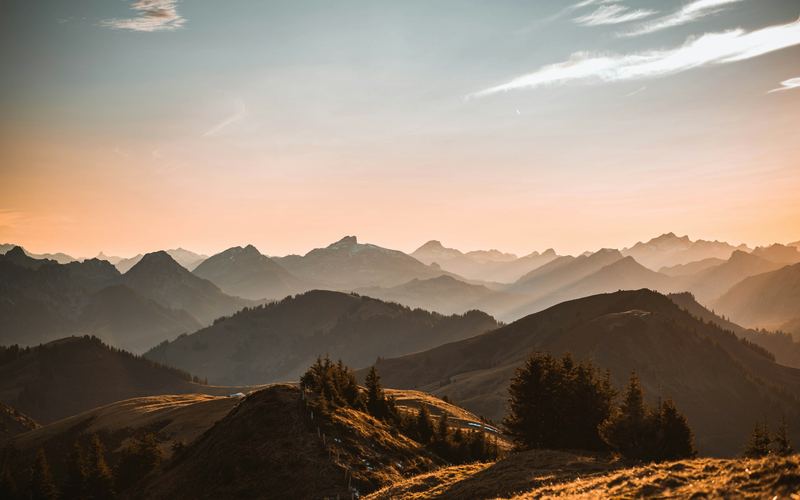
Slovenia, a Central European nation, combines historic towns such as Ljubljana, Maribor and Koper with Alpine scenery and a Mediterranean coastline. With a population of around 2.1 million, the country uses the Euro and Slovene is the official language. It is part of the Schengen Area, allowing visa‑free entry for short stays for many travelers, and is regarded as safe for visitors.
Slovenia view Slovenia view

Map View

Explore Slovenia on the map

Centered on the country’s main cities and scaled to keep the full destination in view.

place 5 Attractions public Google Maps style
search
Search area
Slovenia
Country location
Slovenia
Centred from 5 city points.
open_in_new Open in Google Maps

Slovenia travel overview

The country suits cultural city breaks, outdoor adventures, and mixed‑itinerary trips. Visitors can explore capital Ljubljana’s architecture, hike in the Julian Alps, or relax on the Adriatic coast, all within a moderate budget and during the May‑September window when weather is most favorable.

Slovenia view Slovenia view

Essential Travel Tips

Book Early

Popular routes and hotels fill quickly in peak season.

Mix Transport

Use trains between cities and local transit inside centers.

Stay Central

Base yourself near a walkable area to save time.

Cash Ready

Some small vendors still prefer cash for smaller purchases.

Pack Smart

Comfortable shoes matter more than anything else.

Frequently Asked Questions

What visa do I need for a short stay in Slovenia? expand_more
Slovenia is a Schengen member, so citizens of EU, EEA and many other countries can enter visa‑free for up to 90 days within a 180‑day period. Travelers from nations that require a Schengen visa must obtain one before arrival. The visa covers tourism, business and family visits.
When is the ideal period to travel to Slovenia? expand_more
The optimal visiting months are May through September. During this window the weather is mild to warm, outdoor activities such as hiking and lake visits are comfortable, and most attractions operate at full capacity. Early autumn also offers fewer crowds while retaining pleasant temperatures.
How much should I budget for a week in Slovenia? expand_more
A moderate budget for a seven‑day stay typically ranges from €800 to €1,200 per person, covering mid‑range accommodation, meals, intercity transport and entry fees to major sites. Costs can vary depending on travel style, season and choice of dining or lodging options.
Is Slovenia safe for solo travelers? expand_more
Slovenia is considered safe, with low levels of violent crime and reliable public services. Solo travelers generally experience a welcoming environment, especially in larger towns and tourist areas. Standard precautions such as securing valuables and staying aware in crowded places are advised, as with any international destination.
Which currency is used in Slovenia and can I use cards? expand_more
Slovenia uses the Euro (EUR). Credit and debit cards are widely accepted in hotels, restaurants, shops and larger attractions. ATMs are common in cities and towns, and cash may be required for small vendors or in remote mountain areas, so carrying a modest amount of euros is advisable.
What are the main cities to visit in Slovenia? expand_more
Key destinations include Ljubljana, the capital with its historic center; Maribor, known for wine and festivals; Celje, a medieval stronghold; Koper on the Adriatic coast; and Kranj, a gateway to the Alps. These cities provide a mix of culture, architecture and access to natural sites.
How can I travel between Ljubljana and Maribor? expand_more
The most common options are train and intercity bus. Trains run regularly between the two cities, taking about two hours and offering comfortable seating. Buses provide a similar travel time with frequent departures. Both modes connect to the national rail and road networks for further trips.
What public transport options are available for tourists? expand_more
Slovenia’s public transport includes a national railway network, regional and intercity bus services, and urban transit in larger cities such as Ljubljana’s bus system. Tickets can be purchased online, at stations or via mobile apps. For remote mountain areas, scheduled shuttle buses operate during peak tourist seasons.
Do I need to speak Slovene to get around? expand_more
Slovene is the official language, but English is widely spoken in tourist areas, hotels, restaurants and among younger residents. Signage in major cities and transport hubs often includes English translations, making navigation feasible for visitors without Slovene proficiency.
Are there any travel restrictions related to health or safety? expand_more
Slovenia follows EU health guidelines. As of the latest information, there are no mandatory quarantine requirements for fully vaccinated travelers, but a valid health certificate or proof of vaccination may be requested at entry. Visitors should stay updated on any temporary measures related to public health.