
Somalia Coast

Explore Somalia

Discover Somalia’s coastal cities, vibrant culture, and historic sites.

0 Tours
6 Guides
5 Cities
payments

Currency

Somali shilling (SOS)

translate

Language

Somali (Arabic also official)

groups

Population

Approximately 17 million

passport

Visa

Visa required; obtainable on arrival for many nationalities

security

Safety

Security concerns; travel with caution and local guidance

savings

Travel Cost

Low to moderate

wb_sunny

Best Visit

November – February (dry season)

Somalia at a glance

Somalia, located on the Horn of Africa, offers a blend of historic ports, diverse cultures, and expansive landscapes. With Somali as the primary language and Arabic also recognized, visitors experience a unique linguistic heritage. The country uses the Somali shilling and hosts a population of roughly 17 million people. Its climate is hot and arid, featuring a dry season from November to February that provides the most comfortable travel conditions. While security challenges exist, careful planning and local guidance enable rewarding journeys.
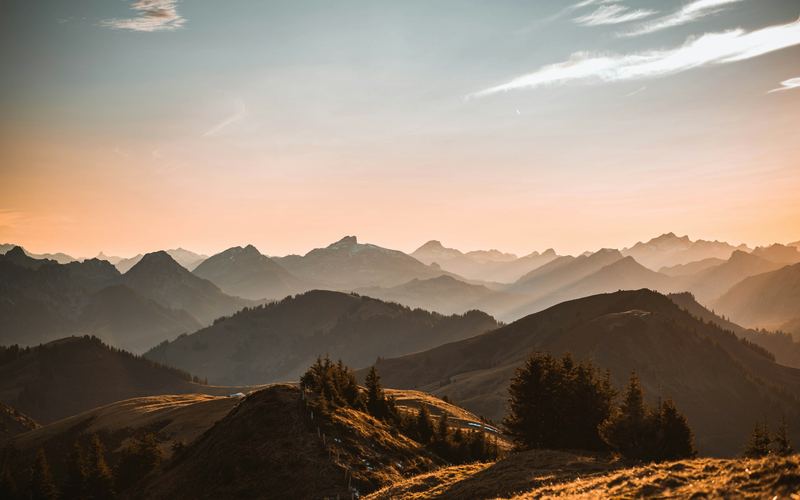
Somalia view Somalia view

Map View

Explore Somalia on the map

Centered on the country’s main cities and scaled to keep the full destination in view.

place 5 Attractions public Google Maps style
search
Search area
Somalia
Country location
Somalia
Centred from 5 city points.
open_in_new Open in Google Maps

Somalia travel overview

Somalia suits adventurous travelers seeking cultural immersion, coastal exploration, and historic discovery. The low‑to‑moderate cost of accommodation and food makes extended stays affordable, while the dry season offers clear skies and manageable temperatures for road trips and beach visits. With major cities like Mogadishu and Hargeisa providing markets, museums, and vibrant street life, the country is ideal for those ready to explore a less‑trodden destination with proper safety precautions.

Somalia view Somalia view

Essential Travel Tips

Book Early

Popular routes and hotels fill quickly in peak season.

Mix Transport

Use trains between cities and local transit inside centers.

Stay Central

Base yourself near a walkable area to save time.

Cash Ready

Some small vendors still prefer cash for smaller purchases.

Pack Smart

Comfortable shoes matter more than anything else.

Frequently Asked Questions

What is the best time of year to visit Somalia? expand_more
The optimal period to travel is the dry season, November through February, when rainfall is minimal and temperatures are more moderate, making road travel and outdoor activities easier. During these months the coastal breezes also reduce humidity, providing comfortable conditions for exploring cities and historic sites.
Do I need a visa to travel to Somalia and how can I obtain it? expand_more
Most travelers need a visa to enter Somalia. Visas can be obtained from Somali embassies before departure or, for many nationalities, on arrival at major airports such as Mogadishu International Airport. Check the latest requirements with the nearest diplomatic mission, as policies may change.
How much does a typical trip to Somalia cost? expand_more
Somalia is generally low to moderate in cost. Budget accommodations, local meals, and public transport are inexpensive, while mid‑range hotels and guided tours cost more. A typical daily budget of $30‑$70 covers basic needs, though prices rise in major cities and during peak travel months.
Which cities are most recommended for first‑time visitors? expand_more
First‑time visitors often start in Mogadishu, the capital, for its markets and historic waterfront, then travel to Hargeisa in the north for cultural museums and nearby scenery. Coastal towns such as Berbera and Bosaso offer beach experiences, while Kismayo provides insight into southern trade history.
Are there any safety considerations I should plan for before traveling? expand_more
Somalia faces security challenges, especially in remote areas. Travelers should stay informed of current advisories, limit movement to major cities and well‑traveled routes, and arrange local guides or security escorts. Registering with an embassy and maintaining flexible plans are also advisable.
What languages are spoken in Somalia and will I be understood in major cities? expand_more
Somali is the primary language spoken nationwide, and Arabic holds official status and is used in government and commerce. In urban centers like Mogadishu and Hargeisa, English is understood by many service staff, making basic communication possible for English‑speaking visitors.
What is the local currency and how can I exchange money? expand_more
The Somali shilling (SOS) is the official currency. Exchange services are available at banks and major hotels in larger cities. It is advisable to carry some US dollars or euros as a backup, as they are widely accepted for larger transactions and can be exchanged for shillings.
What climate can I expect during the dry season? expand_more
During the dry season, Somalia experiences hot temperatures ranging from 25 °C to 35 °C along the coast, with inland areas occasionally hotter. Rainfall is scarce, humidity drops, and clear skies dominate, creating favorable conditions for sightseeing, beach visits, and road travel.
What cultural attractions or historic sites are notable in Somalia? expand_more
Key sites include the historic Old Town of Mogadishu with its ancient mosques, the National Museum in Hargeisa showcasing Somali art, the ancient port of Zeila near Berbera, and traditional markets (souks) where local crafts are sold. These locations reflect the country’s maritime heritage and diverse cultures.
How can I travel between major Somali cities? expand_more
Inter‑city travel is mainly by road using private cars, shared minibusses, or domestic flights where available. Major highways connect Mogadishu with Hargeisa and Bosaso, though road conditions can vary. Hiring a reputable driver or tour operator is recommended for safety and navigation.