
Syria Coast

Explore Syria

Discover Syria’s historic cities, diverse landscapes, and cultural heritage.

0 Tours
6 Guides
5 Cities
payments

Currency

Syrian pound (SYP)

translate

Language

Arabic

groups

Population

About 18 million

passport

Visa

Visa required, obtain before travel

security

Safety

Caution advised, security situation unstable

savings

Travel Cost

Generally low compared with many regions

wb_sunny

Best Visit

Spring (Mar–May) and Autumn (Sep–Oct)

Syria at a glance

Syria offers a blend of ancient history and varied geography, from the Mediterranean coast to inland semi‑arid zones. Its major cities—Damascus, Aleppo, Homs, Hama, and Latakia—hold centuries‑old monuments and bustling markets. The climate provides hot summers and mild winters, while the currency in use is the Syrian pound.
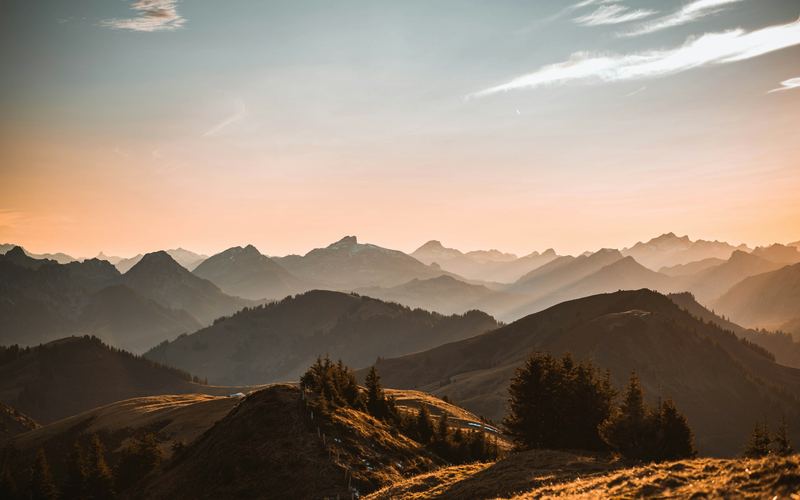
Syria view Syria view

Map View

Explore Syria on the map

Centered on the country’s main cities and scaled to keep the full destination in view.

place 5 Attractions public Google Maps style
search
Search area
Syria
Country location
Syria
Centred from 5 city points.
open_in_new Open in Google Maps

Syria travel overview

The country is well suited for travelers interested in cultural heritage and historical exploration. Visits to historic sites, city tours, and experiencing local traditions align with Syria’s rich past. Moderate travel costs and the best weather in spring and autumn make it practical for extended cultural itineraries.

Syria view Syria view

Cities in Syria

Explore the main cities in Syria and open each one for more local details.

Essential Travel Tips

Book Early

Popular routes and hotels fill quickly in peak season.

Mix Transport

Use trains between cities and local transit inside centers.

Stay Central

Base yourself near a walkable area to save time.

Cash Ready

Some small vendors still prefer cash for smaller purchases.

Pack Smart

Comfortable shoes matter more than anything else.

Frequently Asked Questions

What are the entry visa requirements for traveling to Syria? expand_more
Most visitors need a visa before arriving in Syria. Applications are typically submitted to a Syrian embassy or consulate, and approval is required prior to travel. Some nationalities may obtain a visa on arrival, but the standard process involves obtaining the visa in advance.
Which currency is used in Syria and where can I exchange money? expand_more
Syria uses the Syrian pound (SYP). Currency exchange is available at banks, authorized exchange offices, and some hotels in major cities such as Damascus and Aleppo. Travelers should verify exchange rates and carry identification when exchanging money.
When is the best time of year to visit Syria for comfortable weather? expand_more
Spring, from March to May, and autumn, from September to October, provide moderate temperatures across most regions. These periods avoid the hottest summer months and the cooler winter season, making outdoor sightseeing and city tours more comfortable.
What safety considerations should I keep in mind when traveling to Syria? expand_more
The security situation in Syria is unstable, and travelers are advised to exercise caution. Stay updated with travel advisories, avoid areas of active conflict, and follow guidance from local authorities. Registering with your embassy and having a reliable local contact can enhance safety.
How much does it typically cost to travel in Syria compared to neighboring countries? expand_more
Travel expenses in Syria are generally lower than in many neighboring nations. Accommodation, meals, and local transportation are affordable, allowing visitors to stretch their budgets while experiencing cultural sites and city life.
Which cities in Syria are most popular for cultural and historical tourism? expand_more
Damascus, Aleppo, Homs, Hama, and Latakia are among the most visited cities for cultural and historical tourism. These locations feature ancient architecture, museums, and markets that reflect Syria’s long‑standing heritage.
What are the main climate zones across Syria and how do they affect travel plans? expand_more
Syria has a Mediterranean climate along the western coast, with mild, wet winters and warm summers. Inland areas are semi‑arid, experiencing hot summers and cooler winters. Understanding these zones helps travelers pack appropriate clothing and schedule activities according to local weather patterns.
What types of trips are best suited for Syria’s attractions? expand_more
Trips focused on cultural heritage, historical exploration, and city tours align well with Syria’s offerings. Visitors can explore ancient ruins, historic mosques, and traditional markets, making the country suitable for extended cultural itineraries.
How can I travel between major Syrian cities such as Damascus and Aleppo? expand_more
Inter‑city travel is commonly done by road using bus services or private vehicles. Major highways link Damascus, Aleppo, Homs, and other key cities, providing regular connections for travelers moving between urban centers.
Are there domestic flights operating within Syria for tourists? expand_more
Domestic flights do operate between some Syrian cities, though schedules and availability can be limited. Travelers should check with local airlines for current routes and confirm flight status before planning air travel within the country.