
Wallis and Futuna Coast

Wallis and Futuna

Discover the remote French Pacific islands and their unique culture.

0 Tours
6 Guides
5 Cities
payments

Currency

CFP franc (XPF)

translate

Language

French

groups

Population

Approximately 11,500

passport

Visa

Schengen visa required for most nationals; visa‑free for certain EU and visa‑exempt countries

security

Safety

Low crime, generally safe for tourists

savings

Travel Cost

Moderate to high due to remote location

wb_sunny

Best Visit

May – October (dry season)

Wallis and Futuna at a glance

Wallis and Futuna is a French overseas collectivity in the South Pacific, known for its small population of roughly 11,500 residents and its use of the CFP franc. French is the official language throughout the islands, and the capital Mata‑Utu, along with towns such as Alele and Falaleu, showcase the territory's blend of Polynesian heritage and French administration. The islands experience a tropical climate with a distinct dry season from May to October, making that period the most favorable for travel.
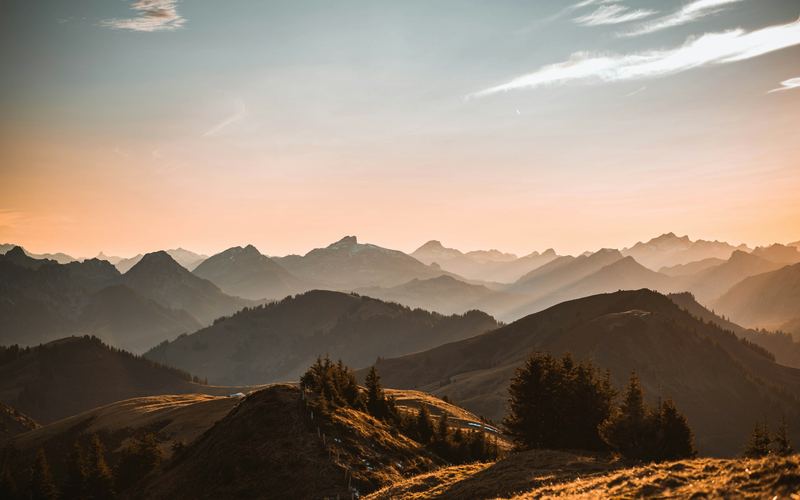
Wallis and Futuna view Wallis and Futuna view

Map View

Explore Wallis and Futuna on the map

Centered on the country’s main cities and scaled to keep the full destination in view.

place 5 Attractions public Google Maps style
search
Search area
Wallis and Futuna
Country location
Wallis and Futuna
Centred from 5 city points.
open_in_new Open in Google Maps

Wallis and Futuna travel overview

The territory is suited for travelers seeking cultural immersion and remote island experiences. Visitors can explore traditional villages, attend local ceremonies, and enjoy the natural scenery across eight main settlements, including Mata‑Utu and Liku. The moderate to high travel cost reflects the islands' isolation, while the low‑crime environment provides a safe setting for independent exploration during the dry months.

Wallis and Futuna view Wallis and Futuna view

Essential Travel Tips

Book Early

Popular routes and hotels fill quickly in peak season.

Mix Transport

Use trains between cities and local transit inside centers.

Stay Central

Base yourself near a walkable area to save time.

Cash Ready

Some small vendors still prefer cash for smaller purchases.

Pack Smart

Comfortable shoes matter more than anything else.

Frequently Asked Questions

What visa is required to travel to Wallis and Futuna? expand_more
Most visitors need a Schengen visa to enter Wallis and Futuna, as it follows the French visa regime. Citizens of several EU member states and other visa‑exempt countries can enter without a visa for short stays. Always verify the latest requirements based on your nationality before planning your trip.
Which currency is used on the islands and can I use credit cards? expand_more
The CFP franc (XPF) is the official currency in Wallis and Futuna. Credit cards are accepted in some hotels and larger establishments, but cash in CFP franc is advisable for purchases in smaller shops or remote areas where card facilities may be limited.
When is the most suitable time of year to visit Wallis and Futuna? expand_more
The dry season, running from May through October, offers the most favorable weather for travel. During these months, rainfall decreases and temperatures remain warm, providing comfortable conditions for outdoor activities and exploring the islands' coastal and cultural sites.
What is the typical cost range for a trip to Wallis and Futuna? expand_more
Travel to Wallis and Futuna tends to be moderate to high in cost because of its remote location. Expenses include long‑haul flights, limited accommodation options, and the need to bring supplies. Budget travelers should plan for higher transportation and accommodation prices compared with more accessible destinations.
How many main cities are there and which are the most visited? expand_more
Wallis and Futuna comprises eight recognized settlements. The capital, Mata‑Utu, is the administrative and commercial hub. Other notable towns include Alele, Falaleu, Utufua, Liku, Halalo, Leava, and Alo, each offering a glimpse of local life and cultural traditions.
What language will I hear most commonly while traveling there? expand_more
French is the primary language used for official communication, education, and most public interactions across Wallis and Futuna. Local Polynesian languages, such as Wallisian and Futunan, are also spoken within communities, especially in more remote villages.
How would you describe the climate throughout the year? expand_more
The territory has a tropical climate with high humidity. The dry season (May‑October) brings reduced rainfall and milder temperatures, while the wet season (November‑April) experiences higher precipitation and occasional tropical storms. Temperatures remain warm year‑round.
What safety considerations should travelers keep in mind? expand_more
Wallis and Futuna reports low levels of crime, making it generally safe for visitors. Standard precautions, such as securing valuables and being aware of personal surroundings, are still advisable. Travelers should also respect local customs and obtain permission before photographing private property or cultural ceremonies.
What cultural experiences can I expect in the main towns? expand_more
Visitors can observe traditional Polynesian customs, including dance, music, and communal gatherings. Local churches, markets, and village festivals often showcase a blend of French influence and indigenous heritage, offering insight into daily life and historical traditions.
How can I reach Wallis and Futuna from major international airports? expand_more
There are no direct international flights to Wallis and Futuna. Travelers typically connect through New Caledonia (Nouméa) or Fiji, then take a regional flight to Hihifo Airport on Wallis or Pointe Vele Airport on Futuna. Checking airline schedules and booking in advance is essential due to limited services.