
Western Sahara Coast

Western Sahara

Key travel facts and practical tips for visiting Western Sahara.

0 Tours
6 Guides
20 Cities
payments

Currency

Moroccan dirham (MAD)

translate

Language

Arabic (Hassaniya) with Spanish and French influences

groups

Population

Around 600,000

passport

Visa

Follows Morocco; many nationalities receive visa‑free entry for up to 90 days, others require a visa

security

Safety

Variable; political tension and unexploded ordnance pose risks, so stay updated and follow local guidance

savings

Travel Cost

Low to moderate; accommodation and meals are generally affordable

wb_sunny

Best Visit

October to April

Western Sahara at a glance

Western Sahara, a sparsely populated desert region along the Atlantic coast, offers a distinctive blend of Sahrawi culture and stark natural landscapes. The territory uses the Moroccan dirham and Arabic as the primary language, while Spanish and French are also heard. With a population near 600,000, the area experiences an arid climate, mild winters and hot summers, making the cooler months from October through April the most comfortable for travel.
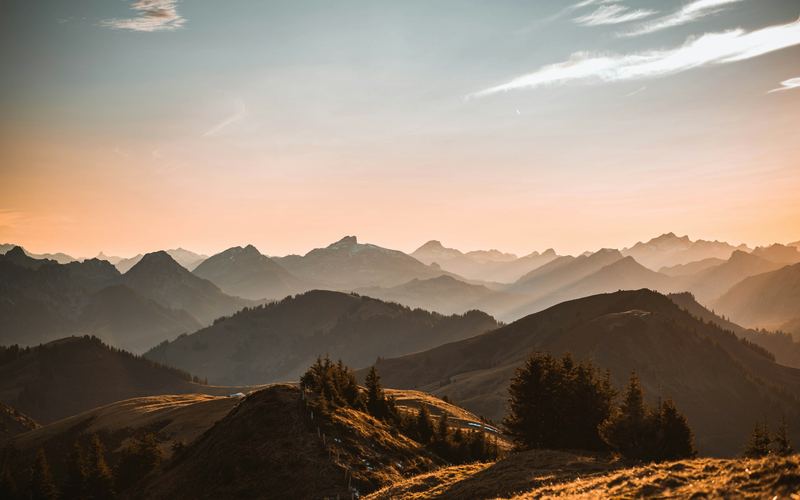
Western Sahara view Western Sahara view

Map View

Explore Western Sahara on the map

Centered on the country’s main cities and scaled to keep the full destination in view.

place 20 Attractions public Google Maps style
search
Search area
Western Sahara
Country location
Western Sahara
Centred from 20 city points.
open_in_new Open in Google Maps

Western Sahara travel overview

The region is suited to travelers seeking desert adventures, coastal wind‑surfing, and cultural immersion in towns such as Laayoune, Dakhla, and Boujdour. Its low to moderate cost structure supports budget‑friendly itineraries, while the unique blend of Sahrawi traditions and Moroccan administration provides a setting for exploratory trips focused on remote landscapes and coastal ecosystems.

Western Sahara view Western Sahara view

Essential Travel Tips

Book Early

Popular routes and hotels fill quickly in peak season.

Mix Transport

Use trains between cities and local transit inside centers.

Stay Central

Base yourself near a walkable area to save time.

Cash Ready

Some small vendors still prefer cash for smaller purchases.

Pack Smart

Comfortable shoes matter more than anything else.

Frequently Asked Questions

When is the ideal time of year to travel to Western Sahara? expand_more
The most comfortable period is between October and April, when temperatures are milder and coastal fog can moderate the heat, making outdoor activities more pleasant.
What visa requirements apply for visitors to Western Sahara? expand_more
Visa rules follow Morocco's policy. Many nationalities can enter visa‑free for up to 90 days, while others must obtain a visa in advance. Check the latest Moroccan consular guidance before traveling.
Which currency should I use for payments in Western Sahara? expand_more
The Moroccan dirham (MAD) is the accepted currency throughout the region. Credit cards are accepted in larger towns, but cash is advisable for smaller markets and remote areas.
How much should I budget for daily expenses in Western Sahara? expand_more
Travel costs are generally low to moderate. Budget travelers can manage meals and basic accommodation for under $30 USD per day, while mid‑range options may rise to $60–$80 USD.
What safety considerations should I keep in mind while visiting? expand_more
Safety varies across the territory. Some areas are stable, but political tensions and remnants of landmines exist, especially near the front line. Stay informed through travel advisories, travel with reputable guides, and avoid restricted zones.
What climate can I expect during my stay? expand_more
Western Sahara has an arid desert climate with very low rainfall. Summers are hot, often exceeding 35 °C, while winters are mild, with temperatures around 15 °C. Coastal fog, especially near Dakhla, can provide cooler conditions.
Which languages are commonly spoken by locals? expand_more
Arabic, specifically Hassaniya Arabic, is the primary language. Spanish and French are also used, particularly in business and tourism contexts, reflecting the region's historical ties.
What time zone does Western Sahara observe? expand_more
The territory follows Coordinated Universal Time (UTC+0), aligning with Western European Time.
What are the main cities to include in an itinerary? expand_more
Key towns include Laayoune, Dakhla, Boujdour, El Marsa, Meharrize, Tichla, El Aargub, Bir Ganduz, Amgala, Oum Dreyga, and La Güera. These locations provide access to coastal scenery, desert excursions, and cultural sites.
How can I travel between major towns in Western Sahara? expand_more
Road travel is the primary mode, with a network of paved and unpaved routes linking major towns. Private car hire, shared taxis, and occasional domestic flights from Moroccan airlines are available, though public transport options are limited.