 Lilshira


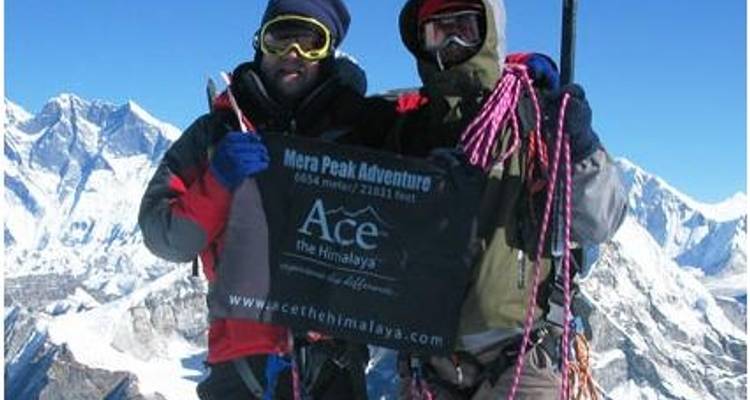

Conquista el Pico Mera: Expedición de 20 días por el Himalaya desde Katmandú
Cancelación gratuita
Hasta 24 horas de antelación para un reembolso completo.
Entrada móvil
Usa tu teléfono para entrar a tu destino.
Idioma del guía
Inglés, español
Tamaño del grupo
Máximo 12 personas
Descripción
Durante la marcha, el grupo podrá participar en actividades opcionales como compras en Thamel, excursiones al lago Sabal Tsho, exploración del glaciar Hinku Nup, safari en la selva de Chitwan, rafting en ríos locales o un vuelo panorámico sobre el Everest. La ruta vuelve a Katmandú, donde los viajeros pueden relajarse y compartir sus experiencias antes de partir.
Itinerario
Llegada y recorrido cultural en Katmandú
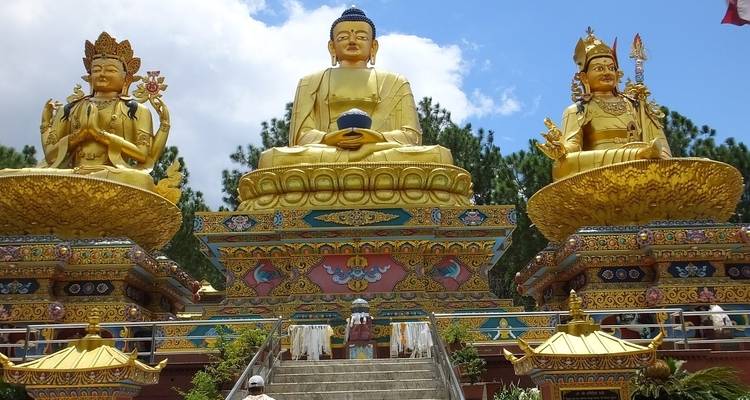
Recepción en Katmandú y visita guiada a los principales sitios religiosos: Stupa Boudhanath, Templo Pashupatinath y la Plaza del Palacio de Bhaktapur.
Vuelo a Lukla y trekking a Chutok La
Vuelo panorámico de Katmandú a Lukla, seguido de la caminata hasta el paso de Chutok La, iniciando la expedición de alta montaña.
Trekking progresivo hacia Thuli Karkha
Caminata diaria a través de valles boscosos y crestas montañosas, pasando por Pangkongma, Kurke y llegando a Thuli Karkha.
Valle Hinku y campamento base de Mera Peak
Exploración del Valle Hinku, con vistas a Mera Peak, y establecimiento del campamento base en la zona del pico.
Acclimatación en Tangnag y ascenso al campamento alto
Día de aclimatación en Tangnag, seguido de la marcha al campamento alto cruzando un glaciar, preparando la cumbre.
Cima de Mera Peak y descenso
Ascenso a la cumbre de Mera Peak (5 663 m), regreso al campamento Khare y comienzo del descenso hacia Lukla.
Regreso a Katmandú, día libre y salida
Vuelo de regreso a Katmandú, día de ocio con cena de despedida tradicional y traslado al aeropuerto para la partida.
Punto de encuentro

Incluido
- task_alt Flights
- task_alt Guide
- task_alt Additional Services
Excluido
- close Gastos personales
- close Propinas y gratificaciones
- close Extras opcionales
- close Seguro de viaje
Preguntas frecuentes
What is included in the Mera Peak Expedition price?
The listed price for the Mera Peak Expedition covers the scenic flight from Kathmandu to Lukla and the return flight, a professional guide, and additional services such as permits and internal transfers that are part of the itinerary. Meals, personal trekking gear, travel insurance, and optional extras are not detailed in the provided information, so you should verify with the operator which meals (breakfast, lunch, dinner) are included and whether any other costs apply.
Are international flights between Kathmandu and Lukla covered in the price?
Yes, the expedition includes the domestic flights that connect Kathmandu with Lukla at the start of the trek and the return flight at the end. These flights are listed under the "Flights" service in the included services. International flights to and from Kathmandu are not part of the package and must be arranged separately by the traveler.
What is the cancellation and refund policy for this expedition?
The cancellation terms are not provided in the available data. Generally, trekking operators have tiered refund policies based on how far in advance a cancellation is made, with higher penalties closer to the departure date. Ask the provider for their specific cancellation schedule, any non‑refundable deposits, and whether travel insurance can cover potential losses.
When does the 20‑day Mera Peak Expedition start and what is the daily itinerary?
The expedition lasts 20 days, beginning with arrival in Kathmandu, a city tour of Boudhanath Stupa, Pashupatinath Temple, and Bhaktapur Durbar Square, followed by a flight to Lukla. The trek proceeds through Chutok La Pass, Pangkongma, Kurke, Thuli Karkha, base‑camp area, Hinku Valley, Tangnag (acclimatization), Dig Kharka, high camp, summit, descent, and return to Kathmandu. Exact start dates vary by season; you should check the operator’s calendar for the next departure window.
How much luggage am I allowed to bring on the trekking portion and on the flights?
Domestic flights in Nepal typically allow a carry‑on bag up to 7 kg and a checked bag up to 15 kg per passenger. For the trek, most guides recommend a backpack no heavier than 12–15 kg, excluding personal items like sleeping bags or trekking poles. Because the specific allowances are not listed, verify the airline’s baggage policy and the guide’s recommendations before packing.
Is airport transfer between Kathmandu’s Tribhuvan Airport and the meeting point included?
The provided details list "Flights" as an included service but do not mention ground transportation. Many tours provide a shuttle from the airport to the hotel or meeting venue, yet this is not confirmed for the Mera Peak Expedition. Ask the operator whether airport transfers are part of the package or if you need to arrange your own transport.
How many days should I allocate for acclimatization before the summit attempt?
The itinerary includes an explicit acclimatization day at Tangnag, which occurs after several days of trekking at moderate altitude. In addition, the schedule builds gradual altitude gain through the valley and ridge sections. While the program provides one dedicated acclimatization day, many trekkers add an extra rest day if they feel they need more time to adjust. Discuss personal acclimatization needs with the guide before departure.
Do I need a visa to travel to Nepal for the Mera Peak Expedition?
Visa requirements are not detailed in the source information. Most foreign nationals require a tourist visa to enter Nepal, which can be obtained on arrival at Tribhuvan International Airport or online through the Nepal Immigration portal. The visa fee varies by nationality and length of stay. Check the official Nepalese government website or contact the tour provider for the most current visa policy.
Are there any vaccination recommendations for trekking in the Himalayas?
Vaccination guidance is not provided in the tour details. The World Health Organization and Nepal’s health ministry commonly recommend Hepatitis A, Typhoid, Tetanus, and routine vaccinations for travelers. Some trekkers also receive a COVID‑19 booster and consider a malaria prophylaxis if traveling to lower‑lying regions. Consult a travel health clinic at least four weeks before departure for personalized advice.
What fitness level is recommended for participants of the Mera Peak Expedition?
The expedition involves multi‑day trekking at altitudes up to 6,476 m (summit of Mera Peak) and includes glacier crossing, steep ascents, and long days on the trail. A moderate to high fitness level is advisable, with prior experience in multi‑day hikes, altitude exposure, and basic mountaineering techniques. Participants should be comfortable walking 5–7 hours per day with a loaded pack and be able to handle altitude changes.
Is the expedition suitable for families with children, and what age is recommended?
The tour is described as family‑friendly, but the high altitude and technical sections (glacier crossing, summit push) make it challenging for younger children. Most operators recommend participants be at least 12 years old and in good health. Families should assess each child’s fitness, experience, and ability to cope with altitude before booking. Confirm any age restrictions with the guide.
Can senior travelers (55+) safely join the Mera Peak Expedition?
Senior travelers can join if they have a solid fitness base, no serious cardiovascular or respiratory conditions, and have previously trekked at altitude. The itinerary includes an acclimatization day and a gradual ascent, which helps mitigate altitude risks. A pre‑trip medical check‑up and discussion with the guide about pacing and any needed support are essential for a safe experience.
Which cultural sites are visited during the Kathmandu portion of the tour?
The Kathmandu segment includes a guided city tour of Boudhanath Stupa, a visit to the sacred Pashupatinath Temple, and a walk through Bhaktapur Durbar Square, which showcases traditional Newari architecture and historic palaces. These sites provide insight into Nepal’s religious heritage and cultural history before the trek begins.
What is the most scenic part of the trek before reaching Mera Peak Base Camp?
Many trekkers highlight the passage through the Hinku Valley and the forested approach to Tangnag as the most scenic stretch before the base‑camp area. The valley offers expansive meadow views, distant peaks, and a sense of isolation, while the ascent to Tangnag provides panoramic vistas of surrounding mountains and a clear view of Mera Peak looming ahead.
Is the Mera Peak Expedition a good choice for someone visiting Nepal for the first time?
For first‑time visitors who want a blend of cultural immersion in Kathmandu and a high‑altitude climbing experience, the Mera Peak Expedition offers a structured itinerary with guided city tours and a progressive trek. However, newcomers should be comfortable with multi‑day trekking, altitude, and basic mountaineering skills. If you prefer a lower‑altitude trek or a shorter cultural tour, another option might suit you better.
What advantages does a guided Mera Peak Expedition have over organizing the climb independently?
A guided expedition provides logistical coordination (flights, permits, accommodation), experienced local guides who manage route finding, safety, and acclimatization, and access to group support such as porters and cooking facilities. Independent planning requires arranging all permits, flights, and supplies yourself, which can be time‑consuming and riskier at high altitude. The guide also handles emergency protocols and local regulations, reducing stress for participants.
Which type of traveler gets the most value from the Mera Peak Expedition?
Travelers who seek a combination of cultural exposure in Kathmandu and a challenging high‑altitude summit tend to benefit most. This includes adventure‑oriented hikers with moderate to strong fitness, families with older children, and groups looking for a partially guided experience that balances independence with professional support. Those interested in a single‑day trek or a low‑altitude holiday may find other tours more appropriate.
What should I prepare in terms of gear and paperwork before joining the Mera Peak Expedition?
Essential gear includes insulated trekking boots, a four‑season sleeping bag, layered clothing, a down jacket, trekking poles, a headlamp, and a personal first‑aid kit. For the glacier crossing, crampons and an ice axe are typically provided by the guide, but confirm this. Required paperwork includes a valid passport, a Nepal tourist visa, trekking permits (e.g., TIMS and Annapurna/Manaslu permits if applicable), and proof of travel insurance covering high‑altitude rescue.
Is the cost of the Mera Peak Expedition worth it compared to budgeting a self‑guided trek?
The value depends on your experience and comfort level. The guided package bundles flights, permits, a professional guide, and logistical support, which can be difficult and time‑consuming to arrange independently. If you have prior high‑altitude trekking experience, can secure permits, and are comfortable navigating remote terrain, a self‑guided trek may reduce costs. For most travelers, especially those new to Himalayan climbing, the guided price offers safety, convenience, and a structured itinerary.
También te puede interesar
Más tours en el mismo destino
Nepal
Trek de 25 días por los Pases Altos del Everest y el Pico Island en Nepal
Nepal
Trek de 26 días Jiri‑Everest: aventura en el Himalaya
Nepal
Explora el Lago Tilicho y el Paso Thorung La en un Trek de 21 Días por el Himalaya
Nepal
Trek de 19 días por Langtang‑Helambu desde Katmandú
Desde
$0 persona