 Lilshira


Descubre Bután: tour cultural de 9 días desde Katmandú
Cancelación gratuita
Hasta 24 horas de antelación para un reembolso completo.
Entrada móvil
Usa tu teléfono para entrar a tu destino.
Idioma del guía
Inglés, español
Tamaño del grupo
Máximo 12 personas
Descripción
Ideal para grupos de 16 años en adelante que buscan una experiencia cultural activa sin requerir un nivel de dificultad exigente. El paquete incluye transporte terrestre, alojamiento en hoteles locales, desayunos y cenas, y la mayoría de las entradas a los sitios. Los vuelos internacionales, visas y seguros son excluidos. Con una valoración de 4,8 sobre 5, el tour se ha destacado por la calidad de sus guías y la organización del itinerario, siendo una opción adecuada para viajeros interesados en historia, arquitectura y tradiciones locales.
Itinerario
Día 1 – Llegada a Kathmandu y recorrido histórico
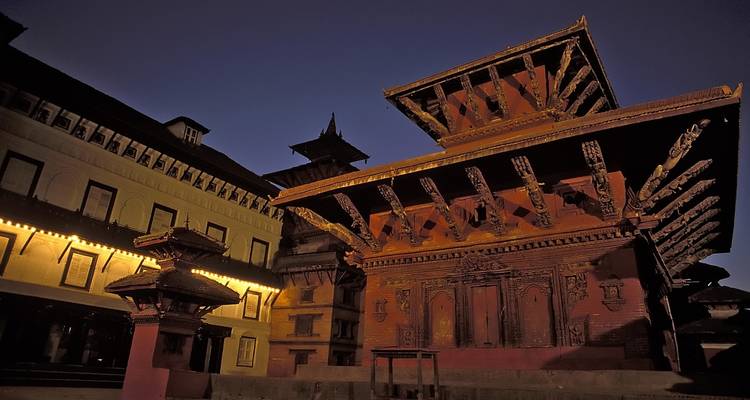
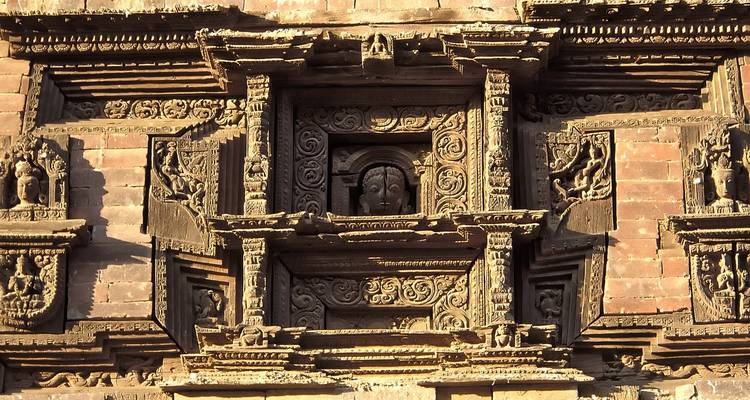
Visita a la Plaza Durbar de Kathmandu, exploración de templos de distintas arquitecturas, Pashupatinath, el Stupa de Bouddhanath, el Stupa de Swoyambhunath, Bhaktapur y Patan.
Día 2 – Vuelo a Paro y descubrimiento cultural
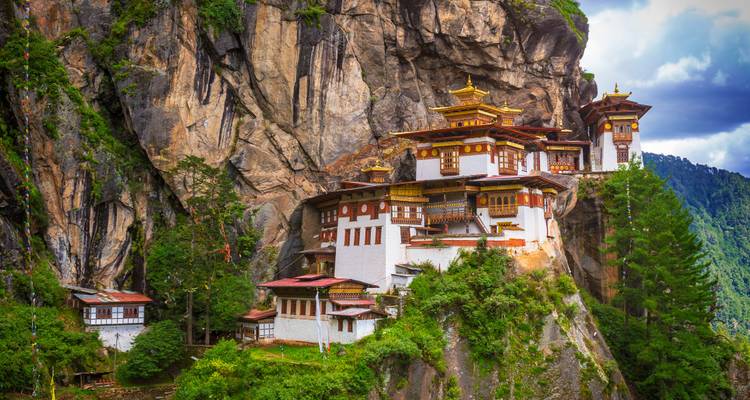
Exploración de las ruinas de Drukgyel Dzong, visita a una granja tradicional bhutanesa, excursión al mirador del Monasterio Taktsang y recorrido por el templo Kyichu Lhakhang.
Día 3 – Paro a Punakha vía Paso Dochula
Cruce del paso de montaña Dochula y visita al imponente Punakha Dzong.
Día 4 – Punakha a Thimphu
Visita al Memorial Chorten, al Monasterio Changangkha, al mini zoológico de Motithang, al convento de monjas Drupthob y al punto panorámico Buddha Point.
Día 5 – Regreso a Kathmandu y cierre del tour
Visita a la Plaza Durbar de Bhaktapur, recorrido por la ciudad y templos de Patan, y salida del grupo.
Punto de encuentro

Incluido
- task_alt Guide
- task_alt Additional Services
Excluido
- close Gastos personales
- close Propinas y gratificaciones
- close Extras opcionales
- close Seguro de viaje
Preguntas frecuentes
What is included in the $2,095 USD price for the Bhutan Cultural Tour?
The price covers all ground transportation in Bhutan, accommodation in standard hotels or guesthouses, a partially guided itinerary with an English‑speaking guide, entrance fees to the listed cultural sites, and the services noted as "Guide" and "Additional Services" in the tour description. Meals are not detailed in the source data, so breakfast may be included but other meals are not guaranteed. Flights between Kathmandu and Paro, travel insurance, personal expenses, and optional activities are not listed as included.
What is the cancellation and refund policy if I need to change my travel dates?
The source material does not include a cancellation policy. Typically, tours of this type have a tiered refund schedule—full refund for cancellations made several weeks in advance, a partial refund closer to departure, and no refund after a certain deadline. Ask the operator for the exact terms, including any non‑refundable deposits or penalties for date changes.
Is travel insurance required or recommended for this tour, and is it included in the cost?
Travel insurance is not listed as part of the $2,095 USD price, and the data does not state whether it is mandatory. However, most international tours to Bhutan recommend or require coverage for medical emergencies, trip interruption, and evacuation. Verify with the provider whether insurance is a condition of participation and purchase a policy that meets those requirements.
What is the daily itinerary start time and typical departure time for each day?
The exact start times are not provided in the source. For similar multi‑day cultural tours, daily departures usually occur between 8:00 am and 9:00 am after breakfast, with returns to the hotel in the late afternoon or early evening. The itinerary includes several site visits per day, so you can expect a structured schedule with brief breaks. Confirm the precise timings with the tour organizer before booking.
How much luggage am I allowed to bring on the internal flights and road transfers during the tour?
The tour details do not list luggage allowances. Domestic flights within Bhutan typically permit one carry‑on bag (up to 7 kg) and one checked bag (up to 15 kg). Road transfers usually have no strict limit, but you should pack light to accommodate the frequent moves between hotels and sites. Verify the specific airline’s policy for the Kathmandu‑Paro leg and ask the operator about any weight restrictions for ground transport.
How many nights are spent in each city, and can I extend my stay before or after the tour?
The itinerary spans nine days, beginning in Kathmandu, then moving to Paro, Punakha, and Thimphu before returning to Kathmandu. Exact night counts per location are not detailed, but the schedule suggests at least one night in each Bhutanese capital and a final night in Kathmandu before departure. Travelers are free to add extra nights before the start or after the finish, but those extensions are not part of the quoted price and must be arranged independently.
Do I need a visa to travel from Nepal to Bhutan on this tour, and how is it obtained?
The source does not provide visa information. Nepalese citizens generally need a visa to enter Bhutan, which is usually arranged by the tour operator as part of a packaged tour. If you are a third‑country passport holder, you will need to apply for a Bhutan visa through the Bhutanese embassy or via the operator’s visa‑processing service. Confirm the requirement and processing steps with the tour provider well before departure.
What passport validity and vaccination requirements apply for the Bhutan Cultural Tour?
While the data does not list specific entry requirements, Bhutan typically requires a passport valid for at least six months beyond the travel dates. Common vaccinations include routine immunizations; some travelers may be advised to get Hepatitis A, Typhoid, and COVID‑19 boosters. Check the latest Bhutanese entry guidelines and consult your physician for any recommended vaccines before the tour.
Is travel insurance mandatory for entry into Bhutan, and what coverage is recommended?
The provided information does not state that travel insurance is mandatory, but many tour operators and the Bhutanese government recommend it for medical emergencies, evacuation, and trip interruption. A policy covering at least US $50,000 in medical expenses, emergency evacuation, and repatriation is advisable. Verify with the tour organizer whether they require proof of insurance before confirming your booking.
Is the Bhutan Cultural Tour appropriate for solo travelers, and are there opportunities to meet other participants?
Yes. The tour is described as a group experience, which typically includes a mix of travelers. Solo participants can join the same group, share accommodations, and travel together on all scheduled activities. The partially guided format encourages interaction among guests during meals, site visits, and free‑time periods, providing ample opportunity to meet fellow travelers.
What level of physical fitness is required for the activities, such as the Taktsang Monastery viewpoint excursion?
The itinerary includes several temple visits, a hike to the Taktsang Monastery viewpoint, and crossing mountain passes like Dochula. While the hikes are not described as strenuous, a moderate level of fitness is recommended—being comfortable with walking on uneven terrain, climbing short stairs, and handling altitude changes up to 3,000 m. Participants should be able to walk 3–5 km per day at a steady pace.
Are children or senior travelers welcome on this tour, and are there any age restrictions?
The source does not list age limits, but cultural tours in Bhutan generally welcome families, including children over 12 years, and senior travelers who are comfortable with moderate walking. Because some days involve altitude changes and short hikes, very young children or travelers with limited mobility may find parts of the itinerary challenging. Contact the operator to discuss any specific needs or restrictions.
Which cultural sites in Kathmandu and Bhutan are visited, and how much free time is built into the schedule?
The tour visits Kathmandu Durbar Square, Pashupatinath, Bouddhanath Stupa, Swoyambhunath Stupa, Bhaktapur, and Patan before flying to Paro. In Bhutan, you see Drukgyel Dzong ruins, a traditional farm house, Taktsang Monastery viewpoint, Kyichu Lhakhang, Dochula Pass, Punakha Dzong, Memorial Chorten, Changangkha Monastery, Motithang mini zoo, Drupthob nunnery, and Buddha Point. The itinerary includes brief intervals for meals and short rests, but dedicated free‑time periods are limited; you may have a few hours in the evenings to explore on your own.
What is the most unique cultural experience offered on the Bhutan Cultural Tour?
Among the listed activities, the excursion to the Taktsang Monastery viewpoint stands out as a distinctive cultural highlight. The site, perched on a cliff overlooking the Paro valley, is a sacred Buddhist location associated with Guru Rinpoche. The tour provides a guided perspective on its history and spiritual significance, offering a rare glimpse into Bhutan’s monastic heritage that is not easily replicated on an independent visit.
Is this tour a good choice for first‑time visitors to Bhutan?
For travelers who have never been to Bhutan, this tour offers a structured introduction to the country’s major cultural landmarks, including both iconic monasteries and lesser‑known sites such as a traditional farm house. The partially guided format provides expert commentary while still allowing some independent exploration. Because the itinerary covers Kathmandu’s highlights as well, it serves as a comprehensive first‑time experience, provided you are comfortable with moderate walking and altitude.
Which type of traveler gets the most value from the Bhutan Cultural Tour?
The tour delivers the most value to culturally‑focused travelers who enjoy guided explanations of historic sites, as well as active participants comfortable with daily walks and short hikes. Group travelers who appreciate meeting others, families with older children, and solo adventurers seeking a balanced mix of sightseeing and cultural immersion also benefit from the included guide, transportation, and pre‑arranged entry fees.
What should I prepare before joining the Bhutan Cultural Tour?
Before departure, ensure your passport is valid for at least six months, obtain any required visas, and arrange travel insurance covering medical evacuation. Pack layered clothing for temperatures ranging from cool mornings to warm afternoons, comfortable walking shoes, a reusable water bottle, and any personal medication. Bring a small daypack for site visits, and consider a power adapter for Nepal and Bhutan (type D, G, or M). Finally, confirm flight times, meeting points, and any dietary restrictions with the operator.
How does the cost of this guided tour compare with planning the same itinerary independently?
The $2,095 USD price includes ground transport, accommodations, guide services, and entrance fees, which can add up quickly when booked separately. Independent planning would require arranging flights, hiring a private guide, purchasing tickets, and possibly paying higher rates for last‑minute accommodations. While a DIY approach might be cheaper for seasoned travelers, the guided tour offers convenience, local expertise, and pre‑negotiated rates that often result in comparable or lower total expenditure for most visitors.
Can I experience the main attractions of Bhutan without a guide, or is a guide essential for this itinerary?
Visiting Bhutan’s major sites is possible without a guide, but many attractions, such as Taktsang Monastery and the various dzongs, have cultural protocols and historical contexts best understood with local commentary. The tour’s partially guided format ensures you receive explanations at key locations while still allowing some independent time. If you prefer complete independence, you would need to arrange your own transport, permits, and local guides at each stop, which can be logistically challenging.
También te puede interesar
Más tours en el mismo destino

Desde
$2,095 persona