 Lilshira


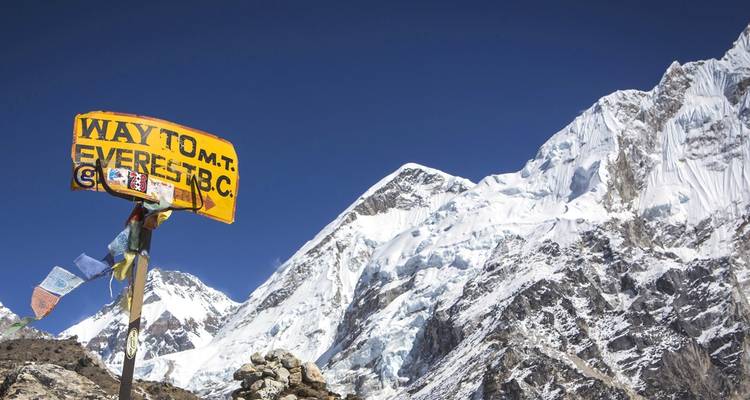

Trek familiar de 16 días al Campo Base del Everest
Cancelación gratuita
Hasta 24 horas de antelación para un reembolso completo.
Entrada móvil
Usa tu teléfono para entrar a tu destino.
Idioma del guía
Inglés, español
Tamaño del grupo
Máximo 12 personas
Descripción
El programa combina la majestuosidad de los picos del Himalaya con la riqueza cultural de la región, y permite a los participantes disfrutar de actividades opcionales como safaris en Chitwan, rafting en ríos nepalíes o recorridos de compras en Thamel y Lukla. Con una valoración de 4,7 sobre 5, el viaje se realiza en grupos reducidos y está completamente guiado, lo que facilita la logística y la seguridad para todos los miembros de la familia.
Itinerario
Día 1 – Llegada y visita cultural en Katmandú
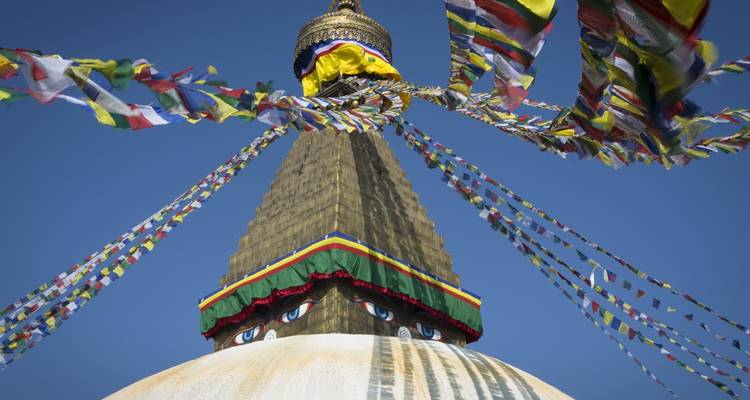
Tour guiado por el Templo Pashupatinath, la Stupa Boudhanath y la Plaza Durbar de Bhaktapur, incluyendo los templos Nyatapola, Batsala, Bhairavnath, Duttatraya, Pujari Muth y el Palacio de las 55 ventanas.
Días 2‑3 – Vuelo a Lukla y trekking a Phakding
Vuelo panorámico de 35 minutos a Lukla y caminata de Lukla a Phakding siguiendo el valle del Ghat.
Días 4‑5 – Trekking a Namche Bazaar y aclimatación
Caminata de Phakding a Namche Bazaar cruzando puentes colgantes, ingreso al Parque Nacional Sagarmatha y excursión de aclimatación a Syangboche y al Everest View Hotel, con visita al museo sherpa.
Días 6‑8 – De Namche a Dingboche, con paradas en Tengboche
Travesía a Tengboche (visita al monasterio y ceremonia de oración) y continuación a Dingboche, donde se realiza una caminata de aclimatación al valle de Chhukung vía Imja Khola.
Días 9‑11 – Llegada al Campamento Base del Everest y ascenso a Kala Patthar
Caminata a Lobuche, luego al Campamento Base del Everest (5 365 m) para observar la Icefall, seguido de la subida a Kala Patthar (5 555 m) y descenso a Periche.
Días 12‑14 – Descenso a Namche y regreso a Katmandú
Paso por los monasterios de Pangboche y Tengboche, regreso a Namche Bazaar, trekking a Lukla y vuelo de regreso a Katmandú.
Día 15 – Cena de despedida y salida
Cena de despedida en restaurante tradicional nepalés con presentaciones culturales; traslado al aeropuerto para la partida.
Punto de encuentro

Incluido
- task_alt Flights
- task_alt Guide
- task_alt Additional Services
Excluido
- close Gastos personales
- close Propinas y gratificaciones
- close Extras opcionales
- close Seguro de viaje
Preguntas frecuentes
What is included in the price of the Everest Base Camp Trek 16 Days?
The listed price covers the guided 16‑day trek, the scenic flights between Kathmandu and Lukla (both ways), a professional guide, and additional services mentioned in the itinerary. Accommodation, meals, and personal equipment are not detailed in the source, so you should verify with the operator whether they are included or need to be arranged separately.
Are international flights between Kathmandu and Lukla included in the tour cost?
Yes. The itinerary specifies a 35‑minute scenic flight from Kathmandu to Lukla at the start of the trek and a return flight from Lukla to Kathmandu at the end. These domestic flights are included in the tour price.
Are there any additional fees that are not covered by the tour price?
The source does not list extra charges, but typical trekking trips may require separate costs for visa fees, travel insurance, optional meals, personal gear, tips for guides and porters, and any entrance fees to national parks not mentioned. Confirm any potential extra expenses with the tour provider before booking.
What is the cancellation and refund policy for this 16‑day trek?
The itinerary does not include specific cancellation terms. Cancellation policies can vary widely, often depending on how far in advance you cancel and whether flights have been booked. Ask the operator for their exact refund schedule, any non‑refundable deposits, and whether travel insurance is recommended.
Are meals provided during the trek and what type of meals can I expect?
Meal details are not provided in the source data. Many guided treks in Nepal include breakfast, lunch, and dinner, usually simple Himalayan fare such as dal, rice, noodles, and soups. Verify with the tour company which meals are covered and whether special dietary needs can be accommodated.
When does the Everest Base Camp Trek start and what is the daily schedule?
The trek begins with a flight from Kathmandu to Lukla on day 1, followed by daily trekking legs described in the itinerary (e.g., Lukla → Phakding, Phakding → Namche Bazaar, etc.). The schedule includes acclimatization days in Namche Bazaar, Dingboche, and other locations, culminating with the Everest Base Camp and Kala Patthar climbs before returning to Kathmandu. Exact start times are set by the flight schedule and should be confirmed with the operator.
How much luggage am I allowed to bring on the trek?
The itinerary does not state a luggage allowance. Standard practice on the Lukla‑Kathmandu flight limits checked baggage to 15 kg and carry‑on to 7 kg per person. Trekking gear is usually carried by porters. Ask the operator for their specific baggage policy and porter fees.
Is airport transfer between Kathmandu’s Tribhuvan Airport and the hotel included?
Airport transfers are not mentioned in the provided details. Some operators include a pick‑up service, while others leave it to the traveler. Confirm with the tour organizer whether a transfer from Tribhuvan Airport to the Kathmandu hotel (and back) is part of the package.
Do I need a visa to travel to Nepal for this trek?
Visa requirements are not detailed in the source. Most nationalities can obtain a tourist visa on arrival at Tribhuvan Airport or apply online for a Nepal e‑visa. The visa is typically valid for 30 days and costs around USD 30‑40. Verify the latest requirements based on your citizenship before departure.
What travel insurance coverage is required for the Everest Base Camp Trek?
The itinerary does not state a mandatory insurance level, but reputable operators usually require a policy that covers high‑altitude trekking, emergency evacuation, and medical treatment up to at least USD 50,000. Confirm the exact insurance specifications with the tour company and ensure your policy meets Nepal’s trekking standards.
Are there any required vaccinations or health documents for trekking in Nepal?
Specific health requirements are not listed. Common recommendations for Nepal include routine vaccinations, hepatitis A, typhoid, and, for some regions, rabies. Some travelers also receive a yellow fever certificate if arriving from an endemic country. Check with a travel clinic and the tour operator for any mandatory health documents.
What fitness level is recommended for the 16‑day Everest Base Camp Trek?
The trek reaches 5,555 m at Kala Patthar and involves several days of high‑altitude walking, glacier moraine trekking, and steep ascents. A moderate to high fitness level is advisable, with prior experience in multi‑day hikes at altitude. Participants should be comfortable walking 5–7 hours daily and able to handle altitude changes.
Is the trek suitable for families with children, and what age is recommended?
The tour is described as family‑friendly, but no specific age limits are given. Generally, children aged 12 years and older handle the altitude and daily distances better. Younger children may find the altitude and long trekking days challenging. Discuss your family’s ages and fitness with the operator to ensure suitability.
Can senior travelers (55+) safely join this guided trek?
Senior travelers can participate if they are in good health and possess a reasonable fitness level. The itinerary includes acclimatization days, which help mitigate altitude sickness. However, the trek involves steep climbs and high altitude up to 5,555 m. Seniors should obtain a medical clearance and consider any personal health concerns before booking.
Which cultural sites are visited during the Kathmandu portion of the tour?
The Kathmandu segment includes a guided city tour of Pashupatinath Temple, a visit to Boudhanath Stupa, and a tour of Bhaktapur Durbar Square with its Nyatapola Temple, Batsala Temple, Bhairavnath Temple, Duttatraya Temple, Pujari Muth, and the Palace of 55 Windows. The itinerary ends with a farewell dinner featuring traditional Nepali performances.
What are the main highlights of the trek after leaving Lukla?
Key highlights include crossing suspension bridges to Namche Bazaar, acclimatization hikes to Syangboche Airport and Everest View Hotel, visits to Sherpa museums, trekking to Tengboche Monastery, climbing Kala Patthar (5,555 m) for panoramic Himalayan views, reaching Everest Base Camp (5,365 m), and exploring historic monasteries such as Pangboche.
Is this trek a good choice for someone visiting Nepal for the first time?
For first‑time visitors who want a comprehensive introduction to Nepal’s culture and high‑altitude trekking, this 16‑day guided tour offers both Kathmandu’s heritage sites and the classic Everest Base Camp experience. The itinerary includes acclimatization days and a professional guide, which can make a first trek safer and more informative.
Which type of traveler gets the most value from the Everest Base Camp Trek 16 Days?
Travelers who appreciate a structured itinerary, cultural immersion in Kathmandu and the Khumbu region, and the security of a fully guided group tend to gain the most value. The tour suits families, active seniors, and adventure‑oriented tourists who prefer not to arrange logistics independently.
What should I prepare before joining this guided trek in Nepal?
Prepare by obtaining a Nepal visa, securing travel insurance with high‑altitude coverage, and completing a medical check‑up. Pack appropriate gear: layered clothing, sturdy trekking boots, a sleeping bag rated for sub‑zero temperatures, and a personal first‑aid kit. Acclimatize by spending a night or two at higher elevations if possible, and train with regular cardio and hill walks.
How does booking this guided tour compare to organizing the trek independently?
Booking the guided tour provides a pre‑arranged itinerary, licensed guides, airport transfers, and coordinated permits, reducing the planning workload. Independent travel requires arranging flights, trekking permits, guides or porters, accommodation, and logistics yourself, which can be time‑consuming and riskier at high altitude. The guided option typically offers a smoother, safer experience, especially for first‑time trekkers.
Is the Everest Base Camp Trek worth the price for a 16‑day adventure?
Value depends on personal priorities. The package includes guided trekking, domestic flights, and cultural tours, which can be costly if arranged separately. For travelers who value convenience, safety, and expert guidance, the price often reflects the comprehensive service. Compare the total cost of flights, permits, guides, and accommodations when booked independently to assess whether the package meets your budget expectations.
También te puede interesar
Más tours en el mismo destino
Nepal
Trek de 25 días por los Pases Altos del Everest y el Pico Island en Nepal
Nepal
Trek de 26 días Jiri‑Everest: aventura en el Himalaya
Nepal
Explora el Lago Tilicho y el Paso Thorung La en un Trek de 21 Días por el Himalaya
Nepal
Trek de 19 días por Langtang‑Helambu desde Katmandú
Desde
$0 persona