 Lilshira



Randonnée de 12 jours dans la Vallée de Langtang – départ Katmandou
Annulation gratuite
Jusqu'à 24 heures à l'avance pour un remboursement complet.
Billetterie mobile
Utilisez votre téléphone pour entrer à votre destination.
Langue du guide
Anglais, espagnol
Taille du groupe
Max 12 personnes
Description
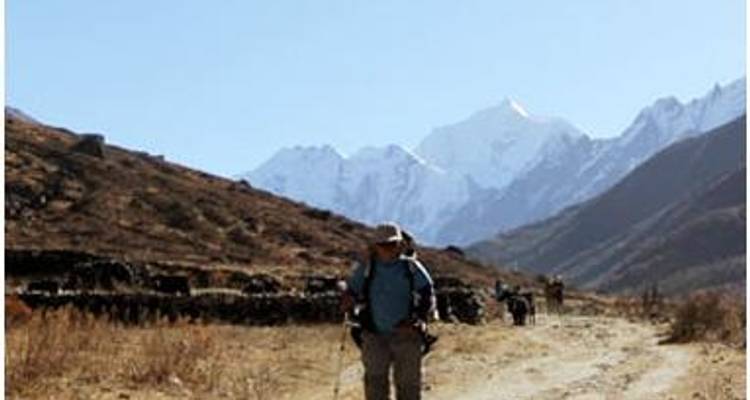
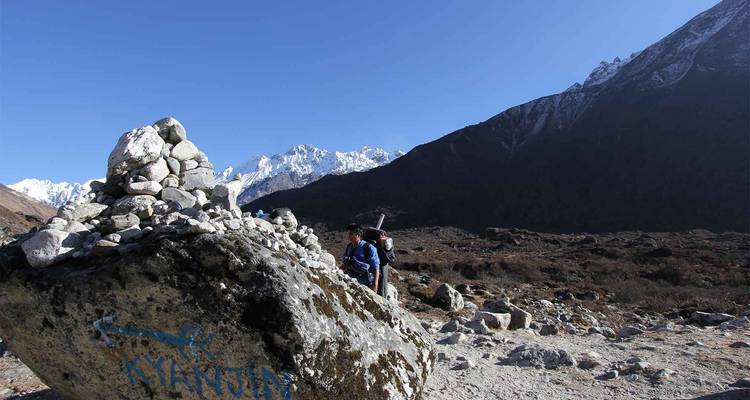
Le parcours traverse des forêts de rhododendrons, des moraines glaciaires offrant une vue sur les faces de glace du Langtang Lirung, et le sommet de Kyangjin Ri (4 350 m). En option, les participants peuvent goûter le fromage local, visiter un monastère, ou encore ajouter des activités comme le rafting, le safari à Chitwan ou un vol panoramique sur l’Everest. Le trek convient à tous les âges et se déroule avec un guide anglophone, garantissant sécurité et informations culturelles tout au long du voyage.
Itinéraire
Katmandou – réunion d'information et visites culturelles
Rencontre avec le guide, puis visites guidées du stupa de Boudhanath, du temple de Pashupatinath et de la place du palais de Bhaktapur, incluant les frais d'entrée.
Départ vers Syabru Besi et Lama Hotel
Trajet depuis Katmandou jusqu'à Syabru Besi, puis transfert à l'hôtel Lama, porte d’entrée de la vallée de Langtang.
Montée à Langtang et visite de la fromagerie
Randonnée jusqu'au village de Langtang avec arrêt à la fromagerie locale pour découvrir la production de fromage traditionnel.
Kyanjin Gumba – monastère bouddhiste
Exploration du monastère Kyanjin Gumba, suivi du retour à l'hôtel Lama pour la nuit.
Retour à Katmandou
Descente de Lama Hotel à Syabru Besi, puis trajet de retour à Katmandou.
Dîner d'adieu à Katmandou
Soirée dans un restaurant népalais traditionnel avec spectacles culturels.
Départ de Katmandou
Dernier petit‑déjeuner à Katmandou avant le départ.
Point de rencontre

Inclus
- task_alt Guide
- task_alt Additional Services
Exclu
- close Dépenses personnelles
- close Pourboires et gratifications
- close Suppléments optionnels
- close Assurance voyage
Questions fréquemment posées
Are there any additional fees not listed in the price?
Based on the provided information, the price includes guide services, transportation, entrance fees, and the farewell dinner. However, the source does not detail meals, accommodation, personal trekking gear, tips for guides and staff, or optional activities such as extra cultural performances. You should also budget for a visa, travel insurance, and any personal expenses like souvenirs or additional meals not covered by the tour.
Can I pay the tour price in installments?
The source does not provide details about payment options or installment plans for the Langtang Valley Trek. To find out whether the operator offers a payment schedule, you will need to contact them directly or check the booking platform where the tour is listed.
Is travel insurance required or recommended for the Langtang Valley Trek?
Travel insurance is not mentioned as a mandatory requirement in the source material, but it is strongly recommended for any high‑altitude trek in Nepal. A policy that covers emergency evacuation, medical treatment, and trip interruption will protect you against unforeseen circumstances such as injury, illness, or sudden weather changes.
What is the recommended amount of spending money for meals and souvenirs during the trek?
Since meals and personal expenses are not itemised, most trekkers budget between €10‑€15 per day for lunches and snacks on the trail, and an additional €20‑€30 per day in Kathmandu for meals and souvenirs. Adjust the amount based on your personal preferences and the level of comfort you seek.
What is the daily start time for the trekking days on the Langtang Valley Trek?
The itinerary does not list exact start times. Most organized treks in Nepal begin walking between 07:00 and 08:00 am to allow for a full day of trekking and to return to accommodation before dark. Confirm the precise schedule with the guide before departure.
Where is the meeting point in Kathmandu for the pre‑trip briefing?
The source states that a pre‑trip meeting with the trek leader/guide takes place in Kathmandu, but it does not give a specific venue. Usually, such meetings are held at the operator’s office or a designated hotel lobby. Contact the tour organizer for the exact address and time.
How many kilograms of luggage can I bring on the trek, and are there baggage restrictions on the local transport?
The provided details do not specify luggage limits. In Nepal, road transfers typically allow two suitcases (up to 20 kg each) per person, and trekkers carry a daypack of 10‑12 kg on the trail. Check with the operator for any specific weight restrictions on the vehicles used between Kathmandu, Syabru Besi, Lama Hotel and Langtang.
Does the itinerary include airport transfers in Kathmandu?
Airport transfers are not mentioned in the itinerary. The listed transportation covers movements between Kathmandu, Syabru Besi, Lama Hotel and Langtang, but does not explicitly include pick‑up or drop‑off at Tribhuvan International Airport. You should arrange airport transfers separately or ask the provider if they can add this service.
How many days should I allocate before the trek for acclimatization in Kathmandu?
The tour itself is 12 days and starts directly after the Kathmandu sightseeing portion. While the itinerary does not require extra acclimatization days, many travelers spend 1‑2 nights in Kathmandu before the trek to rest after international travel and to adjust to the time zone. This also provides time for any last‑minute gear checks.
Do I need a visa to travel to Nepal for the Langtang Valley Trek?
Visa requirements are not detailed in the source. Most foreign nationals need a tourist visa to enter Nepal, which can be obtained on arrival at Tribhuvan International Airport or online as an e‑visa. Check the latest Nepalese immigration guidelines for your nationality before you travel.
What documents are required to obtain a Nepal visa for this trek?
The data does not list specific documents. Generally, you will need a valid passport with at least six months remaining, a passport‑size photo, and a completed visa application form. If you apply on arrival, you will also need to pay the visa fee in US dollars. For an e‑visa, you upload a scanned passport page and photo online.
What fitness level is recommended for the 12‑day Langtang Valley Trek?
The trek involves daily walking on uneven mountain trails, moderate ascents, and occasional steep sections, reaching elevations around 4,300 m. A moderate to good fitness level is recommended; participants should be comfortable walking 5‑7 hours per day with a loaded pack. Regular cardio, strength training, and prior hiking experience will help ensure a safe and enjoyable trek.
Can senior travelers (60+) comfortably complete the Langtang Valley Trek?
Senior travelers can undertake the trek if they have a reasonable fitness level and no serious health issues. The itinerary includes moderate daily walking and altitude up to about 4,300 m. It is advisable for seniors to undergo a medical check‑up, consider a slower pace, and possibly arrange additional rest days. Consulting the guide about any needed accommodations is recommended.
Which cultural sites in Kathmandu are included in the Langtang Valley Trek itinerary?
The Kathmandu portion of the itinerary features a guided sightseeing tour of three major cultural landmarks: Boudhanath Stupa, Pashupatinath Temple, and Bhaktapur Durbar Square. Entrance fees for these monuments are covered, and the tour includes a farewell dinner with traditional Nepalese performances, providing a comprehensive cultural introduction before heading to the mountains.
What are the main highlights of the Langtang Valley portion of the trek?
The mountain segment of the trek showcases the scenic Langtang Valley, including a visit to the Langtang cheese factory, a stop at the historic Kyanjin Gumba monastery, and panoramic views of the Langtang range. The route also passes through traditional villages such as Lama Hotel, offering insight into local Tamang culture and opportunities to experience high‑altitude Himalayan scenery.
Is the Langtang Valley Trek a good choice for someone visiting Nepal for the first time?
For first‑time visitors who want a blend of cultural immersion and mountain trekking, the Langtang Valley Trek is a solid option. It begins with guided tours of Kathmandu’s key heritage sites, then moves to a moderate‑difficulty trek that introduces high‑altitude trekking without the crowds of more popular routes. The partially guided format also provides flexibility while ensuring safety and local insight.
Which type of traveler gets the most value from the Langtang Valley Trek?
Travelers who appreciate cultural experiences, enjoy moderate trekking, and prefer a group setting benefit most from this tour. Families, active seniors, and solo adventurers looking for a guided yet flexible itinerary will find the combination of Kathmandu heritage tours, the cheese‑factory visit, and the scenic Langtang Valley trek offers a well‑rounded Nepal experience.
What should I prepare before joining the Langtang Valley Trek?
Before the trek, arrange a valid Nepal visa, obtain travel insurance covering high‑altitude trekking, and schedule a medical check‑up. Pack layered clothing for temperatures ranging from warm days to cold nights, sturdy trekking boots, a 10‑12 kg daypack, a sleeping bag rated for sub‑zero temperatures, and any personal medication. Familiarise yourself with basic altitude‑sickness symptoms and bring a reusable water bottle with purification tablets.
How does the experience of a guided Langtang Valley Trek compare to trekking independently?
A guided trek provides local expertise, arranged transportation, pre‑paid entrance fees, and a knowledgeable guide who can handle logistics, language barriers, and emergency situations. Independent trekking requires you to arrange all permits, transport, accommodation, and navigation yourself, which can be time‑consuming and riskier in remote areas. The guided option also includes cultural briefings and group support, which many travelers find valuable.
Can I do the Langtang Valley Trek without a guide, and what are the risks?
While it is technically possible to trek the Langtang Valley independently, the route includes high‑altitude sections, remote villages, and limited infrastructure. Risks include getting lost on poorly marked trails, language barriers when arranging transport or accommodation, and limited access to emergency assistance. Without a guide, you would also need to manage permits, entrance fees, and local logistics yourself, which can add stress and cost.
Vous pourriez aussi aimer
Plus de visites dans la même destination
Nepal
Everest High Passes & Island Peak – 25‑Day Trek in Nepal
Nepal
26‑Day Jiri to Everest Base Camp Trek – Himalayan Hiking Experience
Nepal
Explore Tilicho Lake & Thorung La Pass on a 21‑Day Himalayan Trek
Nepal
Langtang‑Helambu 19‑Day Trek from Kathmandu
À partir de
$0 personne