 Lilshira


Randonnée familiale de 8 jours sur le Rongai du Kilimandjaro
Annulation gratuite
Jusqu'à 24 heures à l'avance pour un remboursement complet.
Billetterie mobile
Utilisez votre téléphone pour entrer à votre destination.
Langue du guide
Anglais, espagnol
Taille du groupe
Max 12 personnes
Description
Le groupe, de taille modérée, est accompagné d’un guide anglophone expérimenté qui assure un suivi personnalisé et une acclimatation progressive. Le niveau de difficulté est adapté aux randonneurs débutants à intermédiaires, avec des journées de marche équilibrées et des journées de repos. Parmi les options facultatives, vous pouvez explorer la grotte de Kikelewa, parcourir la région du lac Mawenzi ou prolonger votre séjour avec une excursion à Zanzibar ou des safaris autour de Moshi. Le tarif de 1 784 € comprend l’hébergement en camp, les repas, les frais de guide et les transferts locaux, offrant ainsi une expérience complète et sécurisée.
Itinéraire
Jour 1 – Arrivée à Kilimandjaro
Accueil à l'aéroport, briefing avec le guide et préparation du matériel pour le trek.
Jour 2 – De la porte de Rongai au First Cave Camp
Randonnée guidée depuis le poste de Nale Moru à travers la forêt de pins, observation des colobes du Kilimandjaro, arrivée au First Cave Camp.
Jour 3 – First Cave Camp → Kikelewa Camp
Passage par la Second Cave, traversée de la lande et accès à la Kikelewa Cave avant d'atteindre le camp Kikelewa.
Jour 4 – Kikelewa Camp → Mawenzi Tarn
Montée guidée jusqu'au Tarn de Mawenzi, temps libre pour explorer la zone du tarn.
Jour 5 – Journée d’acclimatation à Mawenzi Tarn
Repos et deuxième nuit au Tarn de Mawenzi pour favoriser l’acclimatation à l’altitude.
Jour 6 – Mawenzi Tarn → Kibo Huts
Randonnée à travers le col entre les deux sommets, arrivée aux Kibo Huts pour la nuit.
Jour 7 – Tentative de sommet et descente
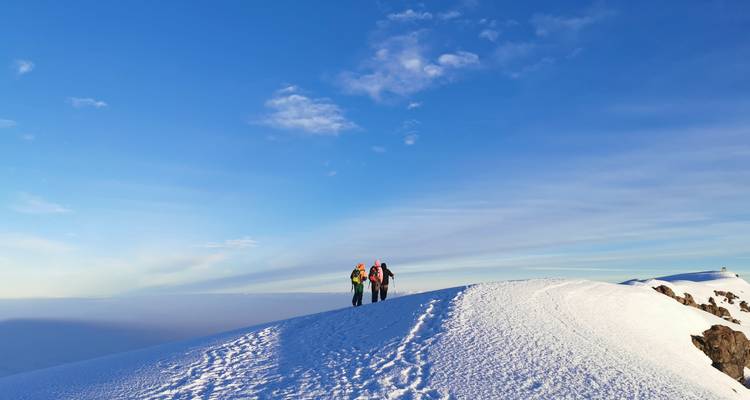
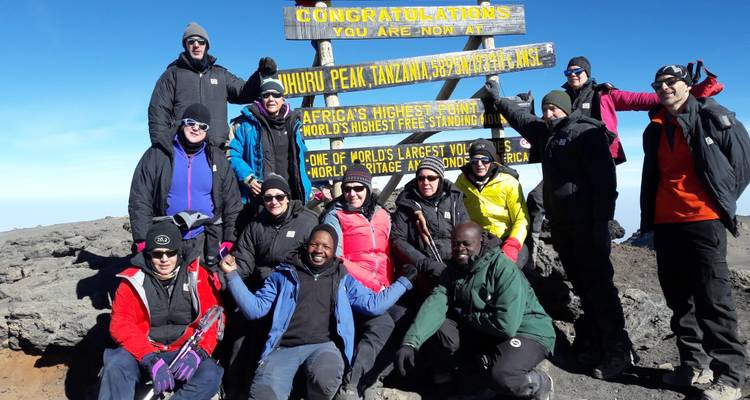
Départ à minuit vers le sommet, passage par Gilman's Point, arrivée au Uhuru Peak (point le plus haut d'Afrique), séance photo, puis descente guidée jusqu'aux Horombo Huts.
Jour 8 – Descente à Moshi et départ
Descente à travers la lande et la forêt jusqu'aux Mandara Huts, passage du parc, puis transport vers l'hôtel Springlands à Moshi pour le départ.
Point de rencontre
Inclus
- task_alt Guide
- task_alt Additional Services
Exclu
- close Dépenses personnelles
- close Pourboires et gratifications
- close Suppléments optionnels
- close Assurance voyage
Questions fréquemment posées
Are there any extra costs that are not covered by the tour price?
Typical extra expenses include optional tips for guides and porters, personal trekking gear, travel insurance, visa fees (if required), and any meals or drinks not listed in the itinerary. Some operators also charge for extra nights, special dietary requests, or private airport transfers. Check the fine print or ask the operator for a full breakdown of potential additional charges.
What is the cancellation policy for this tour?
The cancellation terms are not provided in the tour description. Policies can vary widely, ranging from full refunds for early cancellations to partial refunds or non‑refundable deposits closer to the start date. Ask the operator for their specific cancellation and refund conditions before you confirm your booking.
Do I need a visa to enter Tanzania for this tour?
Visa requirements are not detailed in the tour data. Most nationalities need a tourist visa for Tanzania, which can be obtained on arrival at the airport or online as an e‑visa. Verify the current visa policy for your passport and arrange the visa in advance if required.
Is travel insurance mandatory for the Kilimanjaro Rongai Route trek?
The tour information does not state that travel insurance is mandatory, but it is strongly recommended for high‑altitude trekking. A policy that covers emergency evacuation, medical treatment, and trip interruption is essential given the remote mountain environment and potential weather changes.
What time does the first day of the Kilimanjaro Rongai Route start?
The exact start time is not listed. Most Kilimanjaro treks begin early in the morning, often between 6:00 am and 8:00 am, to make the most of daylight for the initial hike to the first camp. Confirm the departure time with the tour operator when you book.
How many days should I allocate before and after the trek for acclimatization or travel?
While the itinerary itself is eight days, most travelers add at least one night in Moshi before the trek to rest after arrival and another night after the descent to recover and arrange onward travel. This extra time also helps with altitude acclimatization and reduces travel fatigue.
Is the guide fluent in English?
The language spoken by the guide is not mentioned in the provided information. Most international Kilimanjaro tours employ guides who speak English, but you should confirm the guide’s language proficiency with the operator, especially if you need communication in another language.
Is the Rongai Route suitable for families with children?
The tour is listed as family‑friendly, but the trek involves multiple days of high‑altitude hiking, steep ascents, and overnight stays in basic camps. Children should be at least 12 years old, in good health, and able to handle long walks with a backpack. Parents should assess their child’s fitness and discuss any concerns with the guide beforehand.
What fitness level is required to complete the Kilimanjaro Rongai Route?
A moderate to high fitness level is recommended. Participants should be comfortable walking 5–8 km per day on uneven terrain, carrying a daypack, and coping with altitude up to 5,895 m (Uhuru Peak). Prior experience with multi‑day hikes or mountain trekking greatly improves the chances of a successful summit.
Can senior travelers (55 years and older) safely complete this trek?
Senior trekkers can summit Kilimanjaro if they are in good health, have no serious cardiovascular or respiratory conditions, and undergo a medical check‑up before departure. The Rongai Route is considered one of the less steep paths, but altitude remains a challenge. Discuss any health concerns with the guide and consider a slower acclimatization schedule.
Is this trek appropriate for solo travelers?
Yes, the tour is organized as a group trek with a professional guide, making it safe and social for solo travelers. You will share camps and meals with other participants, which often leads to a supportive environment. Solo travelers should still arrange travel insurance and ensure they are comfortable with the group dynamic.
What wildlife can I expect to see on the Rongai Route?
The itinerary highlights sightings of Kilimanjaro colobus monkeys, especially in the pine forest sections near the first camp. You may also encounter other forest species such as duikers, bushbucks, and a variety of birdlife. Wildlife sightings depend on the season and weather, but the route’s lower slopes are known for richer animal activity than the higher barren zones.
What is the main highlight of the Kilimanjaro Rongai Route?
The summit of Uhuru Peak, Africa’s highest point at 5,895 m, is the pinnacle of the trek. The route also offers a unique sunrise ascent to Gilman’s Point on the crater rim, panoramic views of the surrounding plains, and the chance to explore Mawenzi Tarn and Kikelewa Cave, providing a blend of natural beauty and cultural experience.
Is this tour worth it for first‑time visitors to Tanzania?
For first‑time visitors who want to experience Africa’s highest mountain without arranging logistics themselves, the guided Rongai Route offers a structured itinerary, professional support, and safety measures that simplify the climb. It combines cultural exposure in Moshi with a less crowded ascent path, making it a solid introduction to Tanzanian trekking, provided you are prepared for high‑altitude hiking.
What are the advantages of booking this guided Rongai Route instead of planning the climb independently?
A guided tour handles park permits, camp logistics, porter support, and daily navigation, which reduces the risk of missing critical checkpoints or violating regulations. The guide also monitors altitude sickness, adjusts the pace, and provides local knowledge about wildlife and cultural sites. Independent planning requires arranging all permits, transport, and supplies yourself, which can be time‑consuming and stressful, especially for first‑time climbers.
Which type of traveler gets the most value from the Kilimanjaro Rongai Route?
Travelers who appreciate a balance of adventure and support—such as families, small groups, or solo hikers seeking a safe environment—gain the most value. The route’s moderate gradient, lower crowd levels, and inclusion of cultural highlights like Kikelewa Cave appeal to those who want a comprehensive mountain experience without the intensity of the more crowded Machame or Marangu routes.
What should I prepare before joining the Kilimanjaro Rongai Route?
Prepare by completing a medical check‑up, obtaining travel insurance that covers high‑altitude trekking, and arranging any required Tanzanian visa. Train with regular cardio and hill workouts to build endurance, and practice carrying a loaded daypack. Pack essential gear such as a warm sleeping bag, waterproof jacket, trekking boots, and a headlamp. Finally, review the itinerary and confirm any dietary or equipment needs with the operator.
Is this tour a good value compared with planning the Kilimanjaro climb on my own?
When you factor in park fees, permits, transport, guide salaries, and the logistical coordination of camps and meals, the €1,784 price is competitive with other guided options. Independent planning may appear cheaper on paper but often incurs hidden costs for permits, porter wages, and emergency support. For most travelers, especially those without prior trekking experience in Tanzania, the guided package offers better overall value and peace of mind.
Vous pourriez aussi aimer
Plus de visites dans la même destination

Tanzania
Randonnée 7 jours Marangu – Kilimandjaro depuis Moshi
Tanzania
Safari familial en Tanzanie – 8 jours d’aventure tout‑terrain
Tanzania
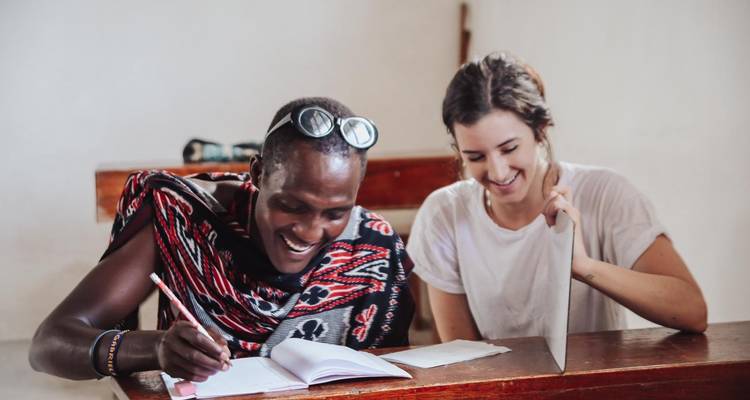
14‑Day Tanzania & Zanzibar Safari with School Volunteering and Dolphin Swim

Tanzania
7‑Day Rongai Route Kilimanjaro Trek from Arusha
À partir de
$1,784 personne