Archaeological tourism opportunities expand across the Americas
A wave of archaeological tourism opportunities is emerging across the Americas, with Mexico joining Peru, Guatemala and Brazil in promoting ancient sites and heritage routes. The trend is gaining momentum now, targeting travelers seeking cultural and historic experiences.

In this story
At a glance
- What changes
- New archaeological tourism routes and promotion across multiple American countries
- Timing
- Emerging now as destinations highlight heritage sites
- Who is affected
- Travelers interested in cultural, historic and indigenous experiences
The details
Regional expansion of heritage tourism
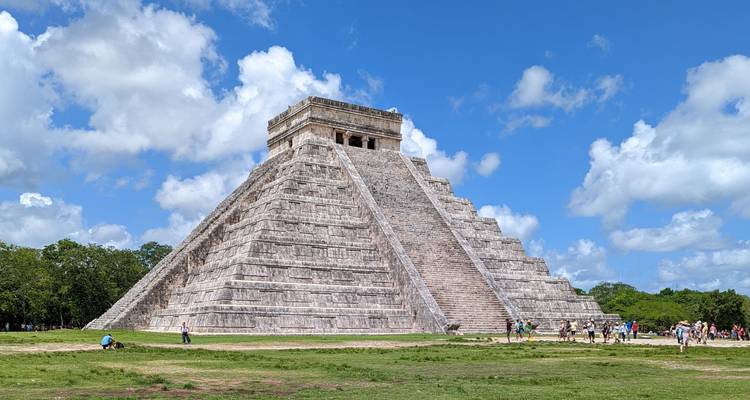
Mexico has joined Peru, Guatemala and Brazil in highlighting archaeological attractions such as Chichén Itzá, Teotihuacán and Monte Albán. The move aims to diversify tourism beyond beaches and resorts, encouraging longer stays and broader economic benefits.
Key sites and tourism potential
Across the continent, destinations are showcasing a range of sites—from Maya temples in Central America to Inca ruins in Peru and rock‑art parks in Brazil. Countries like Colombia, Bolivia and Chile also feature notable heritage locations that can attract specialist travelers.
- Mexico: Chichén Itzá, Teotihuacán, Palenque, Monte Albán, Uxmal
- Peru: Machu Picchu, Nazca Lines, Chan Chan, Caral
- Brazil: Serra da Capivara, Ouro Preto, Salvador
Community and conservation focus
The push for archaeological tourism emphasizes indigenous‑led experiences and sustainable site management. UNESCO programmes and the Indigenous Tourism Challenge support community participation, aiming to protect fragile sites while delivering economic benefits to local populations.
- UNESCO 2025 work in Yucatán includes community design of tourism experiences
- Indigenous Tourism Challenge launched in 2025 encourages innovative community projects
What this means for travellers
Trip planning
- Travelers can now add heritage sites to itineraries in Mexico, Peru, Guatemala and Brazil
- Regional Maya circuits enable multi‑country trips across Belize, Guatemala, Honduras and Mexico
Cost and documents
- No new visa fees or entry requirements are mentioned for the heritage routes
- Travelers should check existing entry requirements for each country before booking
What you need to do
- Review destination tourism boards for updated heritage tour packages
- Consider booking guided tours that involve indigenous communities for authentic experiences
Who this affects
-
Travelers seeking Maya archaeological tours
Mexico, Guatemala, Belize, Honduras and El Salvador are promoting coordinated Maya heritage itineraries
What to do Explore multi‑country tour options that link Maya sites across the region
-
Visitors interested in Inca and pre‑Inca sites
Peru is expanding promotion beyond Machu Picchu to include Nazca Lines, Chan Chan and Caral
What to do Include lesser‑known Peruvian archaeological destinations in travel plans
-
Tourists focused on indigenous‑led experiences
UNESCO and the Indigenous Tourism Challenge support community‑driven heritage projects across the Americas
What to do Seek tours that are organized or co‑managed by local indigenous groups
Frequently asked questions
What new archaeological sites are being promoted in Mexico?
Mexico is highlighting Chichén Itzá, Teotihuacán, Palenque, Monte Albán, Uxmal and historic Oaxaca as part of its expanded heritage tourism offering.
How can I include Maya heritage in a Central American itinerary?
Travelers can combine sites such as Tikal in Guatemala, Copán in Honduras, Caracol in Belize and Chichén Itzá in Mexico to create a cross‑border Maya circuit.
Are there any new visa requirements for archaeological tourism in South America?
The article does not mention any new visa fees or entry restrictions; travelers should follow existing entry rules for each country.
What role do indigenous communities play in the new tourism push?
Indigenous groups are encouraged to design and manage tourism experiences, with UNESCO and the Indigenous Tourism Challenge supporting community‑led projects.
Which countries are highlighted for rock‑art tourism?
Brazil’s Serra da Capivara National Park is noted for its prehistoric rock‑art sites, offering an alternative to traditional beach tourism.