Curaçao tourism carrying capacity limits under new Netherlands accord
Curaçao will cap tourism growth using a carrying‑capacity framework under a new bilateral accord with the Netherlands. The agreement takes effect without a specified start date and targets tourists, cruise passengers, hotel developers and short‑term rental operators.

In this story
At a glance
- What changes
- Curaçao will cap tourism growth using a carrying‑capacity framework
- Timing
- No specific start date announced
- Who is affected
- Tourists, cruise passengers, hotel developers and short‑term rental operators
The details
- Previous rule
- Tourism policy previously focused on increasing visitor numbers without explicit ecological or infrastructure caps.
- New rule
- The new framework limits visitor numbers based on physical, environmental, social and economic capacity indicators and redirects revenue to infrastructure and conservation projects.
Bilateral Accord Overview
Officials from Curaçao and the Kingdom of the Netherlands have signed a strategic agreement anchored in the Kingdom Mutual Arrangement and long‑term reform packages. The accord creates shared governance to manage tourism expansion while accelerating diversification into maritime logistics, clean energy, digital infrastructure and corporate services.
Carrying Capacity Framework
The Ministry of Economic Development, together with the Curaçao Tourist Board and Sustainable Travel International, produced an Islandwide Destination Carrying Capacity Study. The model monitors four operational axes—physical infrastructure, environmental integrity, social impact and economic dispersion—to set limits on hotel rooms, water usage and coastal runoff.
- Physical infrastructure: municipal water filtration load, grid stability, road congestion indices
- Environmental integrity: reef bio‑monitoring, runoff levels, mangrove preservation
- Social impact: housing affordability, cultural site crowding, public beach access
- Economic dispersion: tourist spend beyond resort enclaves into outer districts
Implications for Tourism and Development
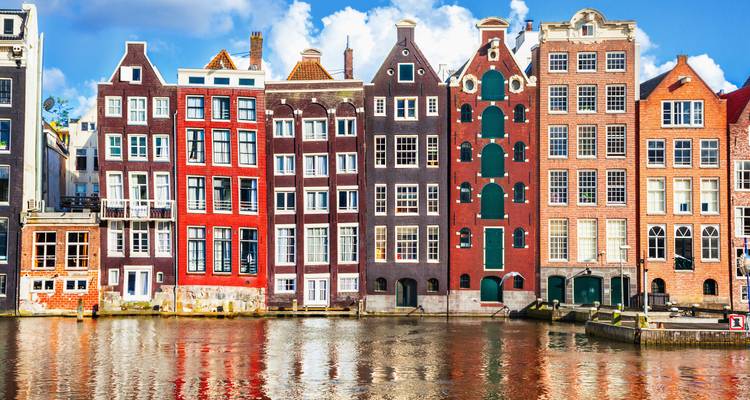
The accord introduces strict room‑cap monitoring and water‑usage quotas for planned hotel developments, ensuring new capital does not exceed utility capacity. Short‑term vacation rentals in historic districts such as Pietermaai, Scharloo and Otrobanda face spatial limits to protect UNESCO heritage. Incentives favor boutique lodging and heritage restorations, directing visitor spend toward local creative industries. Cruise call volumes remain supported, but future adjustments may align with the capacity thresholds.
What this means for travellers
Trip planning
- Existing hotel reservations stay valid; new bookings may encounter room‑cap limits
- Cruise itineraries to Willemstad continue unchanged for now
- Travelers should watch for future announcements on short‑term rental restrictions in historic areas
- Large group stays should verify hotel capacity availability before confirming
Cost and documents
- No new tourist fees are introduced by the accord
- Visa or entry documentation requirements remain unchanged
- Travelers are not required to submit additional environmental paperwork
- There are no extra insurance mandates linked to the policy
What you need to do
- Monitor official channels for any future hotel room‑cap implementation dates
- Consider booking boutique or heritage‑focused accommodations to align with incentives
- Cruise passengers follow standard boarding procedures; no extra steps needed
- Investors should consult the Ministry of Economic Development for project‑specific approvals
Who this affects
-
Short‑term rental operators in historic districts
Accord limits vacation rentals in Pietermaai, Scharloo and Otrobanda to protect heritage sites
What to do Comply with new spatial limits and adjust listings accordingly
-
Cruise ship passengers arriving at Willemstad
Policy monitors cruise call volumes but does not restrict current operations
-
Large‑scale hotel developers
Room‑cap monitoring and water‑usage quotas are introduced to match carrying‑capacity thresholds
What to do Submit development plans that meet the new capacity criteria
-
Boutique lodging owners
Incentives aim to channel tourist spending into local creative and cultural enterprises
What to do Leverage incentives to attract visitors; no new compliance steps required
-
Investors in maritime, clean‑energy and digital sectors
Accord promotes diversification into logistics, blue economy, renewable energy and data‑centre services
What to do Engage with the Ministry of Economic Development for support programmes
Frequently asked questions
What does the new Curaçao tourism carrying capacity policy entail?
The policy sets limits on visitor numbers based on four capacity indicators—physical infrastructure, environmental integrity, social impact and economic dispersion—to ensure tourism growth stays within ecological and utility thresholds.
When will the carrying capacity limits start to apply?
No specific start date has been announced; the framework will be implemented as detailed guidelines are issued by Curaçao authorities.
How are short‑term vacation rentals in historic areas affected?
The accord introduces spatial limits on short‑term rentals in Pietermaai, Scharloo and Otrobanda to protect UNESCO heritage sites and prevent residential displacement.
Will hotel construction be restricted under the accord?
Yes, new hotel projects must adhere to room‑cap monitoring and water‑usage quotas defined by the carrying‑capacity study to avoid overloading local infrastructure.
Does the agreement change visa or entry requirements for visitors?
No, the bilateral accord does not alter visa policies or entry documentation; travelers continue to follow existing immigration rules.
How does the bilateral accord aim to diversify Curaçao’s economy?
It promotes development of maritime logistics, clean‑energy and blue‑economy projects, expands digital‑infrastructure capacity, and modernises corporate services to reduce reliance on tourism alone.