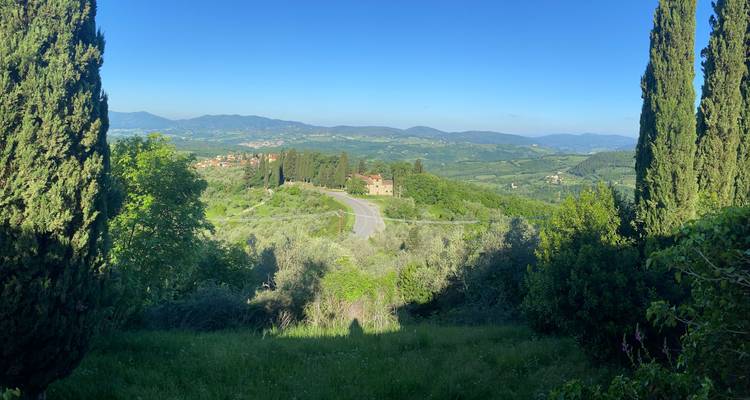
Italy tourism overview published by Arab Union for Tourist Media
A comprehensive overview of Italy’s geography, economy and tourism was released on 4 November 2026. The article, issued by the Arab Union for Tourist Media, targets travelers, planners and researchers interested in the country’s diverse regions and attractions.

In this story
At a glance
- What changes
- A comprehensive Italy tourism overview article was published
- Timing
- Published on Nov 4, 2026
- Who is affected
- Travel planners and tourists interested in Italy
The details
- Announced by
- Arab Union for Tourist Media
Geographical Overview
Italy occupies the southern part of the European continent, covering roughly 301,340 km² and home to about 59 million people. It borders France, Switzerland, Austria and Slovenia, while its coastline touches the Mediterranean, Adriatic, Tyrrhenian, Ionian and Ligurian seas. The country features the Alps in the north, the Apennine range along the peninsula, fertile Po River plains, and notable volcanoes such as Etna on Sicily and Vesuvius near Naples. The islands of Sicily and Sardinia add further diversity, with Sicily being the largest Mediterranean island.
- Capital city: Rome; major cities include Milan, Naples, Turin, Florence, Venice, Palermo
- Official language: Italian; currency: Euro
- Borders: France, Switzerland, Austria, Slovenia
Economic Profile
Italy ranks among Europe’s leading economies, driven by a mix of industry, commerce, tourism and agriculture. The northern region concentrates heavy manufacturing, automotive production and fashion, while the south faces higher unemployment and lower industrial activity, especially among young people. Agricultural output includes grapes, olives, wheat and tomatoes, supporting a strong food‑processing sector. Services, particularly tourism, contribute significantly to national GDP.
The country also hosts renowned universities such as Bologna, and a public health system that serves citizens and residents alike.
- Key sectors: manufacturing, fashion, automotive, food processing, tourism
- Economic disparity: stronger industrial base in the north, development challenges in the south
Tourism Highlights
Italy’s cultural heritage attracts millions of visitors each year. Rome offers the Colosseum, Roman Forum and Vatican City; Venice is famed for its canals; Milan leads in fashion and design; Florence showcases Renaissance art; Naples provides access to Vesuvius and the archaeological site of Pompeii. The Amalfi Coast, Sicily and Sardinia deliver coastal scenery, while UNESCO World Heritage sites number in the dozens, including the Leaning Tower of Pisa.
Football enjoys widespread popularity, with Italian clubs competing at the European level and the national team participating in major tournaments.
- Top attractions: Colosseum, Vatican, Venice canals, Florence Renaissance sites, Amalfi Coast
- UNESCO sites: numerous across the country, reflecting cultural and natural significance
What this means for travellers
Trip planning
- Existing travel bookings are not altered by the publication
- New travelers can use the overview to shape itineraries and destination choices
- No changes to entry or visa requirements are introduced
Cost and documents
- The article does not create any new fees for visitors
- No additional documents are required beyond standard visa or passport rules
What you need to do
- Monitor official tourism channels for any future regulatory updates
- Refer to the overview when planning routes, accommodations or activities
Who this affects
-
First-time visitors to Italy
They need basic information about geography, cities and attractions
What to do Can consult the article for planning; no extra steps are required
-
Travel agents and tour operators
They rely on up‑to‑date country profiles to advise clients
What to do May incorporate the overview into marketing and itinerary materials
-
Students researching Italian geography
The piece provides concise data on terrain, borders and climate
What to do Can cite the article as a source for academic work
Frequently asked questions
What are the main geographical features of Italy?
Italy spans the southern European peninsula, covering about 301,340 km² with a population near 59 million. It includes the Alps, the Apennine mountains, the Po River plain, extensive coastlines on five seas, and active volcanoes such as Etna and Vesuvius.
Which cities are highlighted for tourism in Italy?
Key tourist cities mentioned are Rome with its ancient monuments, Venice’s canals, Milan’s fashion district, Florence’s Renaissance art, Naples near Vesuvius, and Palermo on Sicily, along with coastal destinations like the Amalfi Coast.
What are the key economic sectors in Italy?
Italy’s economy blends manufacturing (automotive, machinery, fashion), agriculture (grapes, olives, wheat, tomatoes), services and a strong tourism industry that together place the country among Europe’s leading economies.
Does the article mention any entry requirements for travelers?
No entry or visa requirements are discussed; the article focuses on geography, economy and attractions, leaving immigration rules unchanged.
When was the Italy tourism overview published?
The overview was released on 4 November 2026 by the Arab Union for Tourist Media.
What language is spoken in Italy?
Italian is the official language throughout the country, as stated in the overview.