NYC delivery rider winter safety tips for rain and snow
New York City delivery riders receive a compiled list of practical safety tips for operating in rain, snow and icy conditions. The guidance is based on interviews with veteran couriers and takes effect immediately for all riders navigating the five boroughs during the upcoming winter season.
In this story
At a glance
- What changes
- No regulatory changes announced
- Timing
- Effective immediately for the winter season
- Who is affected
- All delivery riders working in NYC during winter
The details
Background
City data shows roughly 70,000 New Yorkers earn a living delivering food, groceries and other goods for app‑based platforms. Riders often work 10 to 12 hours a day across the five boroughs, and adverse weather such as rain, snow and ice makes the job considerably harder. To help couriers prepare for the coming winter, two experienced riders shared their best practices.
Recommended Gear
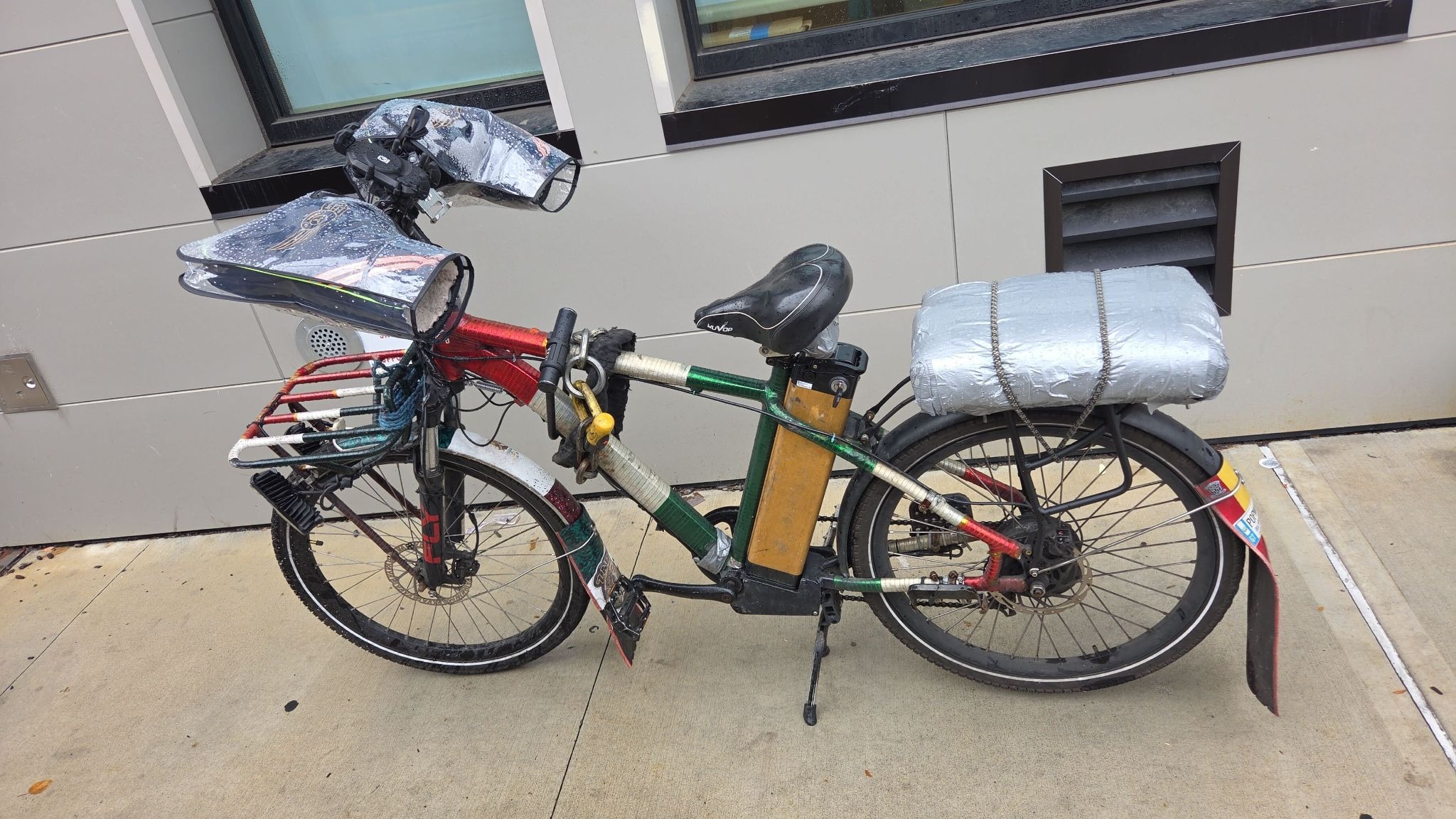
Both interviewees stressed the importance of weather‑appropriate clothing and equipment. Insulated handlebar gloves, waterproof winter jackets, non‑slip waterproof boots and a sturdy rain‑proof backpack were highlighted as essential items.
- Insulated handlebar gloves keep hands warm and protect against light rain or snow
- Electric heated gloves are useful when temperatures drop below zero
- Water‑proof winter coat and insulated boots prevent hypothermia and foot‑wetting
- A rain‑proof backpack with spare clothing allows quick changes during a shift
Bike Maintenance and Riding Practices
Maintaining the bicycle or e‑bike is critical on slippery surfaces. Installing mudguards, using studded tires on icy roads, and checking brakes monthly can reduce accident risk. Riders should also keep the battery management system dry and avoid riding through standing water, which can damage expensive components.
When conditions worsen, slowing down, using foot‑braking to aid deceleration, and staying alert to pedestrians rushing home are advised. Finding indoor charging stations or warming centres, such as the city’s newly opened Deliverista Hub, helps keep phones and batteries functional during cold spells.
- Fit mudguards to keep tires clean and prevent debris buildup
- Use studded tires on frozen pavement for better grip
- Inspect brakes at least once a month; adjust if noise appears
- Keep the battery pack dry; avoid deep puddles that can cost $500‑$1,000 to replace
- Charge phones and batteries indoors at hubs or library charging stations
What this means for travellers
Trip planning
- Existing delivery routes remain unchanged; riders can continue using current schedules
- Winter weather may affect delivery times, so riders should allow extra buffer for each stop
- Access to indoor charging hubs like Deliverista Hub is now available during snowstorms
Cost and documents
- Purchasing recommended gear such as insulated gloves or studded tires may increase personal expenses
- No new fees, permits or paperwork are required for the suggested safety measures
What you need to do
- Review personal equipment and acquire waterproof gloves, winter coat and non‑slip boots before the first snowfall
- Install mudguards and consider studded tires if operating on icy streets
- Locate the nearest Deliverista Hub or participating library for indoor charging and shelter
Who this affects
-
NYC bicycle delivery riders
They operate on two‑wheeled vehicles that are vulnerable to rain, snow and ice
What to do Adopt the recommended gear, maintain bikes regularly and use indoor charging stations during severe weather
-
NYC electric scooter delivery riders
Scooters share similar exposure to slippery surfaces and battery vulnerability
What to do Protect the battery pack from moisture, use waterproof clothing and consider studded tires where compatible
-
NYC food delivery couriers
They frequently navigate pedestrian‑heavy streets where weather impacts both speed and safety
What to do Slow down in storms, keep phones charged indoors and stay alert to hurried pedestrians
Frequently asked questions
How can NYC delivery riders stay safe in snow?
Install studded tires, wear insulated waterproof boots and a winter coat, and reduce speed on icy roads. Regular brake checks and using foot‑braking to aid deceleration also help prevent falls.
What gear is essential for rainy deliveries in New York?
Water‑proof handlebar gloves, a rain‑proof backpack with spare clothing, mudguards to keep tires clean, and non‑slip waterproof boots are essential for staying dry and maintaining control.
Where can NYC couriers charge phones and batteries during winter storms?
The city’s Deliverista Hub near City Hall offers indoor shelter and charging stations, and many Brooklyn public libraries participating in the “Delivering Together” program provide similar facilities.
Do delivery riders need any new permits for winter equipment?
No new permits, fees or paperwork are required; the advice focuses on personal gear and bike maintenance only.
How often should delivery bikes be inspected for winter readiness?
Riders should check brakes at least once a month, ensure mudguards are fitted, and verify that the battery management system stays dry before each shift in wet or icy conditions.