Lilshira


Turkey historic sites open for visitors – overview of attractions
Turkey’s historic attractions remain open to visitors, offering a range of Ottoman mosques, rock‑cut churches, ancient castles and underground cities across Istanbul, Cappadocia, Anatolia, Trabzon and Antalya. The Arab Union for Tourist Media highlighted these sites on 6 November 2026, confirming continued access for tourists.

In this story
At a glance
- What changes
- No changes announced; historic sites continue operating for visitors
- Timing
- Effective immediately as of the publication date
- Who is affected
- All tourists planning to visit Turkey’s heritage locations
The details
- Announced by
- Arab Union for Tourist Media
- Takes effect
- 6 November 2026
Key historic attractions
The article lists major sites such as the Sultan Ahmed Mosque (Blue Mosque) in Istanbul, the open‑air Goreme Museum in Cappadocia, the ancient settlement of Gobekli Tepe, the abandoned city of Kayakoy, and the Alanya Castle. Each location showcases layers of Ottoman, Byzantine, Hellenistic, Roman and Seljuk heritage.
- Sultan Ahmed Mosque features over 20,000 blue Iznik tiles and 200 coloured glass windows.
- Goreme Museum includes rock‑cut churches like Karanklik with Byzantine frescoes.
- Gobekli Tepe dates back roughly 11,000 years, predating Stonehenge by 5,000 years.
Visitor experience and facilities
Many sites provide visitor amenities such as prayer‑cover clothing at mosques, guided tours in underground cities, and museums displaying local artefacts. Access to Alanya Castle is facilitated by a cable car, while the Derinkuyu underground city reaches depths of 85 metres.
- Prayer‑cover clothing available at the Blue Mosque entrance.
- Cable car service transports visitors to Alanya Castle’s summit.
Geographic spread and travel routes
The heritage locations are spread from Istanbul in the northwest to Cappadocia in central Anatolia, and from the Black Sea coast of Trabzon to the Mediterranean resorts of Antalya. This distribution allows tourists to combine cultural visits with natural scenery.
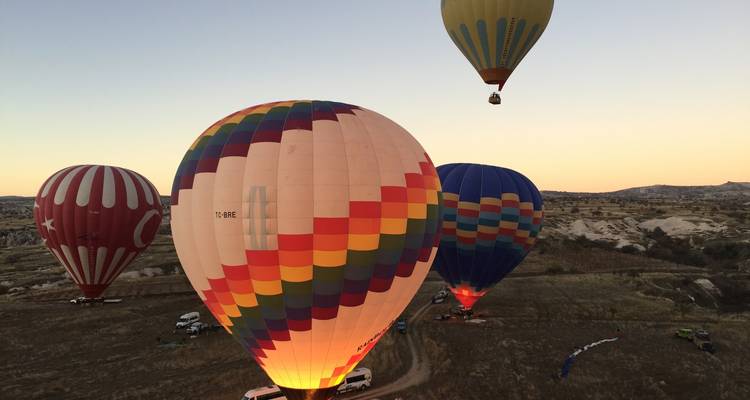
- Cappadocia offers hot‑air balloon rides above rock formations.
- Trabzon’s Sumela Monastery sits on a cliff overlooking the Black Sea.
What this means for travellers
Trip planning
- Travelers can continue to schedule visits to the listed historic sites without adjusting dates.
- Group tours may incorporate the newly highlighted attractions such as Gobekli Tepe and Kayakoy.
Cost and documents
- No new fees or documentation requirements were introduced for site entry.
- Standard entrance tickets and optional guided‑tour fees remain unchanged.
What you need to do
- Check opening hours for each attraction before travel, as they may vary seasonally.
- Carry appropriate attire for mosque visits, such as headscarves and modest clothing.
- Consider booking cable‑car tickets for Alanya Castle in advance during peak season.
Who this affects
-
International tourists interested in cultural heritage
The article describes Turkey’s historic sites that attract global visitors.
-
Group tour operators
Operators can use the highlighted locations to design itineraries.
-
Solo travellers seeking off‑beat destinations
Sites like Kayakoy and Derinkuyu offer unique experiences for independent visitors.
Frequently asked questions
Are Turkey’s historic sites open to visitors in 2026?
Yes, the Arab Union for Tourist Media confirmed on 6 November 2026 that all listed historic attractions remain open for visitors without any new restrictions.
Do I need special clothing to visit the Blue Mosque?
Visitors must wear modest clothing and a head covering; the mosque provides covers at the entrance for those who need them.
What is the best way to reach Alanya Castle?
A cable car service transports visitors from the base to the castle’s summit, offering convenient access and panoramic views.
How old is Gobekli Tepe compared to Stonehenge?
Gobekli Tepe dates back around 11,000 years, making it approximately 5,000 years older than Stonehenge.
Can I combine visits to Cappadocia’s rock‑cut churches with a balloon ride?
Yes, many tourists pair tours of the Goreme open‑air museum and its rock‑cut churches with hot‑air balloon flights over the region’s unique landscape.