UKVI reports 80% rejection rate for student visa interviewees
UKVI data shows that 80% of student visa applicants called to a credibility interview between May and October 2026 were refused, with Nepalese, Indian and Nigerian students facing the highest rejection rates. The figures reflect a six‑month period and highlight growing scrutiny on certain nationalities.
In this story
At a glance
- What changes
- UKVI data reveals an 80% refusal rate for interviewed student visa applicants
- Timing
- Data covers interviews conducted between May and October 2026
- Who is affected
- Students from Nepal, India, Nigeria, Bangladesh, Sri Lanka, Pakistan and other cohorts
The details
- Announced by
- UKVI
Interview outcomes and national‑level rejection rates
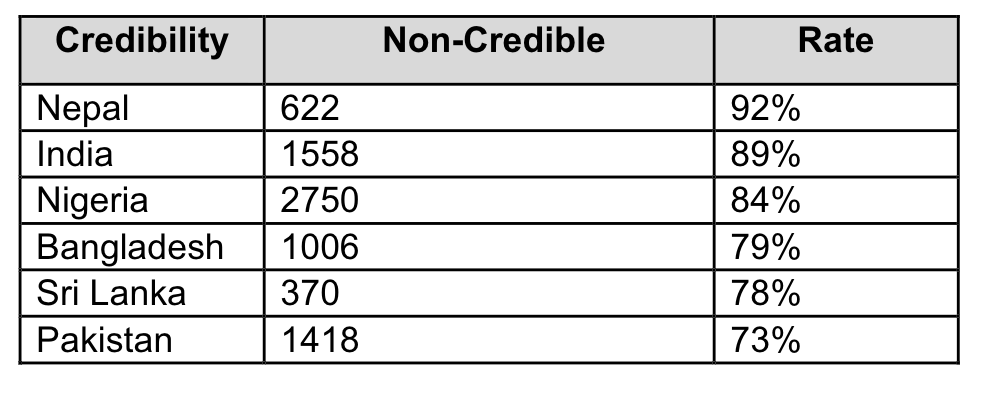
UKVI examined 11,415 credibility interviews carried out from May to October 2026. Case officers deemed 9,043 of those applications non‑credible, resulting in an overall refusal rate of roughly 80%. The briefing highlighted that the data span only six months and may not represent an annual trend.
- 92% of Nepalese students interviewed were refused
- 89% of Indian students interviewed were refused
- 84% of Nigerian students interviewed were refused
- 79% of Bangladeshi students interviewed were refused
- 79% of Sri Lankan students interviewed were refused
Reasons cited for credibility refusals
UKVI listed the most common grounds for refusal on credibility grounds during the same period. Applicants frequently failed to demonstrate adequate research on their chosen institution, could not clearly explain why they wanted to study in the UK, and did not align the chosen programme with future plans. Additional factors included limited knowledge of the subject, insufficient English proficiency and doubts about the authenticity of financial evidence.
- Lack of research about the institution
- Inability to explain study choice and future alignment
- Insufficient knowledge of the chosen programme
- Questionable English language ability
- Unclear source or credibility of funds
Context, commentary and future outlook
Oliver Rae, head of work, study, family and Ukraine services at the Home Office, told delegates at the UUKi International Student Recruitment Conference that tighter compliance is not intended to limit overall student numbers but to ensure genuine applicants. He noted a year‑on‑year reduction in interview numbers, attributing it to improved market understanding and more targeted risk assessment. The briefing also recorded a rise in asylum claims among Pakistani, Indian, Bangladeshi and Nigerian students, following a visa brake on four other nationalities.
What this means for travellers
Trip planning
- Applicants from the highlighted nationalities should expect a higher likelihood of interview refusal when planning to study in the UK
- Prospective students may need to allow extra time for visa processing if an interview is scheduled
Cost and documents
- No new fees are mentioned in the briefing; existing visa application costs remain unchanged
- Applicants should ensure robust documentation of research, programme relevance and financial proof to address credibility concerns
What you need to do
- Students from Nepal, India, Nigeria, Bangladesh, Sri Lanka and Pakistan should strengthen their personal statements and research evidence before any interview
- Monitor UKVI updates for any changes to interview criteria or additional guidance
Who this affects
-
Nepalese student applicants
92% of those called to interview were refused, the highest rate among all cohorts
What to do Provide detailed research on the chosen institution and clear study‑career linkage
-
Indian student applicants
89% of interviewed applicants were refused, indicating strong scrutiny
What to do Demonstrate thorough knowledge of the programme and future plans
-
Nigerian student applicants
Interview invitations rose from 7% to 21% between 2025 and 2026, with an 84% refusal rate
What to do Prepare comprehensive evidence of credibility and financial stability
-
Bangladeshi student applicants
79% of interviewed applicants were refused, reflecting heightened risk assessment
What to do Submit clear documentation of academic intent and funding sources
-
Sri Lankan and Pakistani student applicants
Both groups faced refusal rates above 70% in the interview sample
What to do Address all credibility factors, especially programme relevance and English ability
Frequently asked questions
Why are UK student visa interview refusals so high?
UKVI data shows an 80% refusal rate for interviewed applicants between May and October 2026, driven by credibility concerns such as insufficient research, unclear study motives, limited programme knowledge, language issues and questionable funding.
Which nationalities have the highest student visa interview rejection rates?
The briefing reports that Nepalese students face a 92% refusal rate, followed by Indian (89%), Nigerian (84%), Bangladeshi (79%) and Sri Lankan (79%) applicants during the six‑month period.
What are the most common reasons for a credibility‑based visa refusal?
UKVI cites lack of research on the institution, inability to explain why the UK study choice aligns with future plans, poor knowledge of the chosen programme, limited English proficiency and doubts about the authenticity of financial evidence.
Has the UK introduced a cap on the number of international students?
No. Oliver Rae confirmed that the government does not impose a cap on student numbers; the focus is on admitting genuine students rather than limiting overall intake.
Will interview numbers continue to rise for certain countries?
UKVI noted a sharp increase in interview invitations for Nigerian students between 2025 and 2026, reflecting evolving risk patterns, but also reported a year‑on‑year reduction in total interview numbers due to better market understanding.