 Lilshira


Everest Panorama Trek – 11‑Day Himalayan Adventure
Free Cancellation
Up to 24 hours in advance for a full refund.
Mobile Ticketing
Use your phone for entry to your destination.
Guide Language
English
Group Size
2 - 13
Description
Designed for families and groups, the trek is partially guided with English‑speaking support and is suitable for a wide age range. The route is of moderate difficulty, requiring basic fitness for high‑altitude walking. Accommodations are provided in local guesthouses and tea houses, and meals include typical Nepalese cuisine. Optional activities such as a Chitwan jungle safari, rafting, or a scenic Everest flight are available for those who wish to extend their experience beyond the trek.
Itinerary
Kathmandu cultural overview
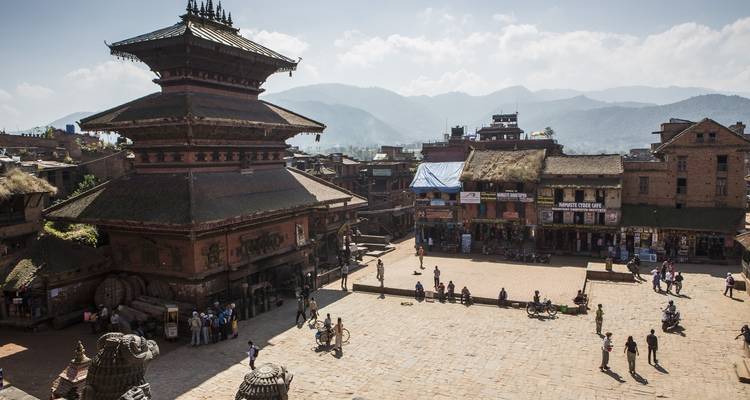
Visit Boudhanath Stupa, Pashupatinath Temple, and Bhaktapur Durbar Square; meet the trek leader at the company office.
Lukla to Phakding
Fly to Lukla, explore the village, then trek along the Dudh Kosi River to Phakding.
Phakding to Namche Bazaar
Follow the Dudh Kosi, cross suspension bridges, enter Sagarmatha National Park and continue to Namche Bazaar.
Namche Bazaar – Sherpa culture
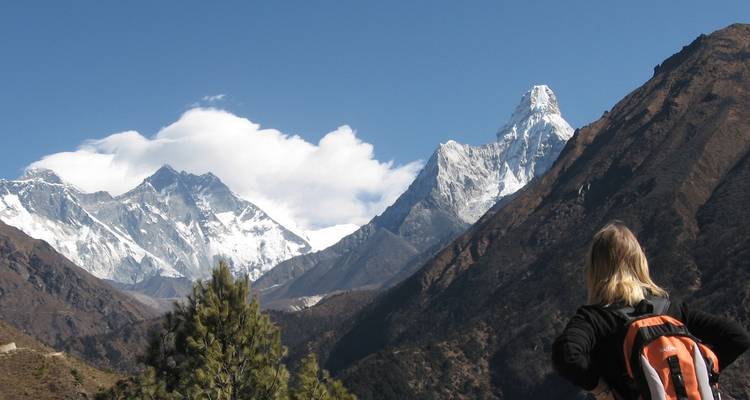
Visit the Sherpa Museum, hike to Syangboche Airport, and view the Everest panorama from the hotel area.
Namche Bazaar to Tengboche
Trek to Tengboche Monastery, explore the site and watch a traditional prayer ceremony.
Return to Kathmandu
Retrace steps to Lukla, fly back to Kathmandu and enjoy a farewell dinner with cultural dance.
Departure from Kathmandu
Conclude the trek and prepare for onward travel.
Meeting Point

Included
- task_alt Flights
- task_alt Guide
- task_alt Additional Services
Excluded
- close Personal Expenses
- close Tips and Gratuities
- close Optional Add-ons
- close Travel Insurance
Frequently Asked Questions
What is included in the Everest Panorama Trek price?
The price includes round‑trip domestic flights Kathmandu‑Lukla‑Kathmandu, accommodation in tea houses, a Nepali‑speaking guide for the trekking days, entrance fees to Sagarmatha National Park, visits to the listed cultural sites, and the farewell dinner. Meals, personal gear, travel insurance, and optional activities are not listed; contact the operator for the exact list.
Are the Kathmandu‑Lukla flights covered in the tour cost?
Yes, the Kathmandu‑Lukla round‑trip flights are part of the quoted price. The itinerary shows a flight from Kathmandu to Lukla at the start and a return flight from Lukla to Kathmandu at the end, both covered by the tour cost. Any extra flights before or after the trek are not included.
What is the cancellation and refund policy for this trek?
The cancellation policy is not detailed in the source data. Generally, trekking operators have a tiered refund schedule based on the date of cancellation relative to the departure date. Ask the company for their specific terms, including any non‑refundable deposits or penalties for late cancellations.
Is travel insurance required or recommended for the Everest Panorama Trek?
Travel insurance is not listed as included, and the source does not state whether it is mandatory. However, most Nepal trekking companies require participants to have personal travel and evacuation insurance covering high‑altitude trekking. Verify the requirement with the tour organizer before booking.
When does the 11‑day Everest Panorama Trek start and end each day?
The itinerary runs for 11 days, beginning with a pre‑trip meeting in Kathmandu on day 1, followed by a flight to Lukla, and concluding with a flight back to Kathmandu on day 11 after the farewell dinner. Exact daily start times depend on flight schedules and local conditions; the operator will provide a detailed daily schedule after booking.
Where is the pre‑trip meeting point in Kathmandu?
The pre‑trip meeting takes place at the company’s office in Kathmandu, as stated in the itinerary. The exact address and meeting time are supplied to confirmed participants in the booking confirmation email. Arriving early allows time for paperwork and a briefing on the trek.
Does the tour provide airport transfers between Kathmandu airport and the company office?
Airport transfers are not explicitly mentioned. The itinerary includes a flight from Kathmandu to Lukla, but it does not state whether transport from Tribhuvan Airport to the company office for the pre‑trip meeting is provided. Contact the operator to confirm if a shuttle or taxi arrangement is included.
Do I need a visa to travel on the Everest Panorama Trek in Nepal?
The source does not provide visa information. Most nationalities require a tourist visa to enter Nepal, which can be obtained on arrival at Tribhuvan Airport or at a Nepalese embassy beforehand. Check the Nepal immigration website or contact the tour company for the latest visa requirements for your passport.
What documents are required to obtain a Nepal visa for this trek?
Generally, a Nepal visa requires a valid passport with at least six months remaining, a completed visa application form, a passport‑size photo, and the visa fee payable in USD. Some travelers also need proof of onward travel. Since the tour data does not list specific documents, verify with the operator or Nepalese consulate.
Is travel insurance mandatory for entering Nepal on this tour?
The tour details do not state that travel insurance is mandatory, but most trekking agencies in Nepal strongly recommend it and may require proof of coverage before departure. Insurance should include medical evacuation and high‑altitude rescue. Confirm the requirement directly with the Everest Panorama Trek organizer.
What fitness level is recommended for participants of the Everest Panorama Trek?
The trek involves several days of walking at moderate altitude (up to 5,300 m at Syangboche) and crossing suspension bridges. Participants should be comfortable walking 5–7 hours per day, have basic cardiovascular fitness, and be able to handle altitude changes. Prior trekking experience is helpful but not mandatory; a medical check‑up is advised.
Is the trek suitable for families with children, and what age is recommended?
The itinerary is family‑friendly and listed as suitable for families. Children aged 12 years and older usually manage the daily distances and altitude, while younger children may find it challenging. Parents should assess their child’s stamina and consult a pediatrician before booking.
Can senior travelers comfortably complete the 11‑day itinerary?
Seniors in good health can complete the trek, but the itinerary includes several days of long walks and altitude gain. Participants over 60 should have recent medical clearance, be comfortable with moderate hiking, and consider using a porter for heavier gear. The partially guided nature allows flexibility for slower pacing.
Which cultural sites in Kathmandu are visited during the Everest Panorama Trek?
In Kathmandu the tour visits Boudhanath Stupa, Pashupatinath Temple, and Bhaktapur Durbar Square, providing insight into Nepal’s Hindu and Buddhist heritage. These sites are included in the first and last days of the itinerary, with guided commentary from the local guide.
What are the main highlights of the trekking portion, such as parks or monasteries?
The trekking highlights include crossing the Dudh Kosi River, entering Sagarmatha National Park, visiting the Sherpa Museum in Namche Bazaar, a hike to Syangboche Airport for views of Everest, and a stay at Tengboche Monastery with a prayer ceremony. These cultural and natural landmarks define the Everest Panorama Trek.
Is the Everest Panorama Trek a good option for first‑time visitors to the Himalayas?
Yes, the Everest Panorama Trek is well suited for first‑time Himalayan visitors. The itinerary combines iconic cultural sites in Kathmandu with a moderate‑difficulty trek that introduces trekkers to the Everest region without requiring technical climbing skills. The partially guided format offers support while allowing independent exploration.
Which type of traveler gets the most value from the Everest Panorama Trek?
The trek provides the most value to active travelers who want a blend of cultural immersion and mountain scenery without committing to a fully guided expedition. Families, small groups, and solo hikers who appreciate a partially guided experience and want to explore Sherpa heritage will find the package especially rewarding.
What should I prepare before joining the Everest Panorama Trek?
Before joining the trek, obtain a valid passport, arrange a Nepal tourist visa, purchase comprehensive travel insurance, and complete a medical fitness assessment. Pack layered clothing for cold nights, sturdy trekking boots, a sleeping bag rated for sub‑zero temperatures, and any personal medication. Review the daily altitude profile and acclimatization plan provided by the operator.
How does the cost of this guided trek compare with planning the same route independently?
Booking the guided Everest Panorama Trek typically costs more than arranging flights and accommodation independently, but the price includes a local guide, park entry fees, organized transfers, and logistical support that can be difficult to coordinate alone. For most travelers, the added safety, cultural insight, and time saved outweigh the price difference.
Can I do the Everest Panorama Trek without a guide, or is the partial guidance essential?
The trek is described as partially guided, meaning a guide accompanies the group on trekking days but some sections may be self‑navigated. While it is possible to attempt the route independently, having a local guide simplifies logistics, ensures park entry compliance, and enhances safety, especially at higher altitudes. Most participants choose the guided option.
You May Also Like
More tours in the same destination
Nepal
Everest High Passes & Island Peak – 25‑Day Trek in Nepal
Nepal
26‑Day Jiri to Everest Base Camp Trek – Himalayan Hiking Experience
Nepal
Explore Tilicho Lake & Thorung La Pass on a 21‑Day Himalayan Trek
Nepal
Langtang‑Helambu 19‑Day Trek from Kathmandu
From
$0 person