 Lilshira


13‑Day Pacific Coast Adventure: Turtle Conservation, Restoration & Volcano Sandboarding in
Free Cancellation
Up to 24 hours in advance for a full refund.
Mobile Ticketing
Use your phone for entry to your destination.
Guide Language
English
Group Size
15 - 30
Description
Participants will spend time monitoring turtle nests, assisting with mangrove replanting, and learning about local conservation efforts. Guided sandboarding sessions on the volcanic dunes provide a unique adrenaline element, while English‑speaking guides lead group excursions to nearby towns and markets for cultural insight. The tour is open to guests aged 15 and older, with group sizes and accommodation arranged by the operator; the price of €2,544 covers transport, lodging, most meals and the volunteer activities.
An optional SCUBA Reef Conservation Program can extend the trip by 11 days, offering 14 dives, PADI certification courses, Caribbean island accommodation and meals, all supervised by professional instructors. Travelers should be prepared for moderate physical activity and bring appropriate gear for beach, forest and volcanic terrain.
Itinerary
Arrival in Managua
Meet your guide in Managua and settle in for the start of the adventure.
Community Orientation & Mangrove Forest
Orientation with local community leaders followed by a guided boat ride through the coastal mangrove forest.
Volunteer Work & Beach Activities
Assist English education and eco‑friendly infrastructure projects, then enjoy beach soccer, surfing lessons and paddle‑boarding.
Cerro Negro Volcano & Salsa Evening
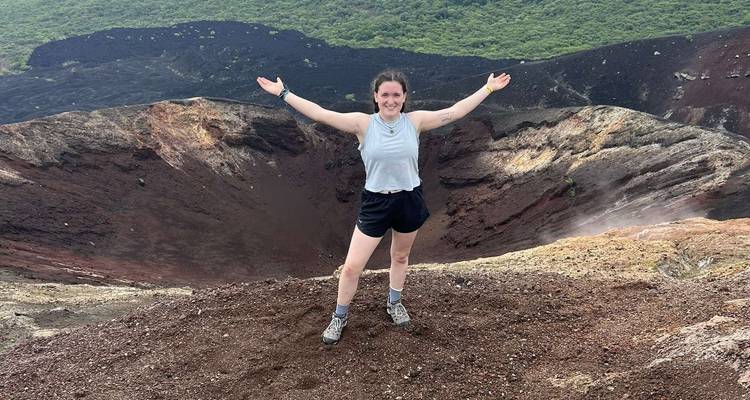
Climb Cerro Negro, experience volcanic sand gliding (sandboarding), and end the day with a salsa dancing lesson and celebration.
Telica Volcano Summit Trek
Overnight trek to Telica’s summit with forest hiking, camping near the crater, lava‑rim viewing and sunrise over the volcano.
Trip End
Conclude the tour and depart from Nicaragua.
Meeting Point
Included
- task_alt Guide
- task_alt Additional Services
- task_alt Optional Extras
Excluded
- close Personal Expenses
- close Tips and Gratuities
- close Optional Add-ons
- close Travel Insurance
Frequently Asked Questions
What is included in the €2,544 price for the Nicaragua Pacific Coast tour?
The price covers accommodation in mid‑range hotels or guesthouses, daily breakfast and most lunches/dinners as listed in the itinerary, all ground transportation (coach and boat), guided volunteer activities, the Cerro Negro sandboarding descent, the Telica volcano summit trek, salsa‑dance lesson, a professional English‑speaking guide, and the optional extras listed in the program. Personal expenses, optional excursions, and tips are not included.
Are flights to and from Managua covered in the tour price?
No, international flights to and from Augusto C. Sandino International Airport in Managua are not part of the quoted price. Travelers must arrange their own air travel. Once you arrive in Managua, the tour begins with a scheduled airport transfer to the first night’s accommodation.
Are there any additional fees that are not part of the quoted price?
Yes. Additional costs may include optional excursions not listed in the program, specialty meals for dietary restrictions, personal souvenirs, visa fees where applicable, travel insurance, gratuities for guides and drivers, and any extra services such as private photography or additional equipment rentals. These items are paid directly by the participant.
Can I pay for the tour in installments, and if so, what are the options?
Most operators allow a 30 % deposit to secure the reservation, with the remaining balance split into two equal payments due 60 days and 30 days before departure. Exact installment terms, accepted payment methods, and any processing fees are confirmed in the booking agreement sent after you request a reservation.
What is the cancellation and refund policy for this 13‑day tour?
Cancellations made more than 60 days before the start date receive a full refund minus a small administrative fee. Cancellations between 30 and 60 days prior are refunded at 50 % of the total price. No refunds are issued for cancellations within 30 days of departure. Changes to the booking may be allowed subject to availability and a handling charge.
Is travel insurance required or recommended for this tour?
Travel insurance is not mandatory but is strongly recommended. The policy should cover medical emergencies, emergency evacuation, trip interruption, and personal liability for the entire 13‑day period, especially because the itinerary includes high‑altitude volcano activities and adventure sports such as sandboarding.
What is the daily schedule for the 13‑day Nicaragua Pacific Coast itinerary?
Day 1: Arrival in Managua, welcome meeting and orientation. Day 2: Boat ride through mangrove forest and community introduction. Days 3‑5: Volunteer work on English education and eco‑infrastructure projects, beach soccer, surfing and paddle‑boarding lessons. Days 6‑7: Climb Cerro Negro volcano, sand‑gliding descent, salsa‑dance lesson and evening celebration. Days 8‑10: Transfer to Telica, overnight trek to summit, forest hike, camping near crater, sunrise lava view. Days 11‑13: Return to Managua, final debrief and departure. Each day includes guided activities and scheduled meals.
Where is the meeting point in Managua on the first day?
The meeting point is the lobby of the designated hotel in Managua (the specific hotel name and address are provided in the confirmation email). Participants gather there after clearing customs and immigration to receive their welcome packets, itinerary details, and to meet the guide before the first group activity.
How much luggage can I bring, and are there any weight restrictions for the volcano trek?
Travelers may bring up to two suitcases (maximum 23 kg each) plus a personal daypack for daily use. For the Telica volcano overnight trek, a lightweight backpack not exceeding 10 kg is recommended; heavier items can be stored at the base camp. All luggage must be manageable on uneven terrain and stairs.
Are airport transfers between Managua airport and the hotel included?
Yes. A private shuttle service is included for both arrival and departure, transporting guests between Augusto C. Sandino International Airport and the first night’s hotel in Managua. The driver will meet you at arrivals with a sign bearing your name and the tour logo.
Do I need a visa to travel to Nicaragua for this tour?
Visa requirements depend on nationality. Many travelers can enter Nicaragua visa‑free for stays up to 90 days, while others must obtain a tourist visa in advance. Check the latest entry rules with the Nicaraguan consulate or embassy in your country before booking.
What passport validity is required for entry into Nicaragua?
Your passport must be valid for at least six months beyond the date you intend to leave Nicaragua. This is a standard requirement for most international travelers and is enforced at the point of entry.
Is travel insurance mandatory for participants, and what coverage is recommended?
Travel insurance is not mandatory but is highly advised. Operators often request proof of coverage before departure, especially for activities such as volcano climbing and sandboarding. The recommended policy should include medical treatment, emergency evacuation, trip cancellation, and personal liability.
What fitness level is needed for the Cerro Negro sandboarding and Telica volcano summit trek?
A moderate to good fitness level is required. Participants should be comfortable with hiking up to five hours, climbing steep volcanic slopes, and walking on uneven, sometimes rocky terrain. No technical climbing experience is needed, but you should be able to carry a light daypack and handle altitude changes up to 1,300 m.
Is the tour suitable for solo travelers who want to volunteer and explore?
Yes. The tour is designed for small groups (typically 10‑14 people) and welcomes solo travelers. Volunteer projects and adventure activities are organized to foster teamwork, and the guide provides personal support, making it a safe and sociable option for individuals traveling alone.
Are families with children welcome, and are there age restrictions for the adventure activities?
Families are welcome. Children aged eight and older can join most of the itinerary, including beach activities and cultural visits. For safety reasons, children under twelve are not permitted on the Cerro Negro sand‑gliding descent or the high‑altitude Telica summit trek. Parents should assess each activity based on their child’s ability.
Which specific conservation projects will I be working on during the sea‑turtle and mangrove activities?
Volunteers assist with protecting sea‑turtle hatchlings by monitoring nests, relocating eggs to safe zones, and helping hatchlings reach the ocean. In the mangrove forest, participants take part in planting native mangrove seedlings, removing invasive species, and supporting community-led eco‑education programs that promote sustainable coastal management.
How much free time is built into the itinerary for personal exploration of the Pacific coast?
The schedule includes several free periods: evenings after scheduled activities, a half‑day on Day 5 dedicated to personal beach time, and optional morning slots on Days 8‑10 before the Telica trek begins. These windows allow travelers to explore nearby towns, relax on the beach, or pursue independent interests.
Is this tour a good choice for first‑time visitors to Nicaragua?
Yes. The tour combines cultural immersion, hands‑on conservation work, and adventure sports while handling logistics such as transportation, accommodation, and local permits. First‑time visitors benefit from an experienced English‑speaking guide, organized volunteer projects, and safe access to remote volcanic sites, making the experience both educational and manageable.
Which type of traveler gets the most value from the Nicaragua Pacific Coast adventure?
Travelers who enjoy active volunteering, environmental conservation, and volcanic adventure get the greatest value. The program appeals to eco‑conscious tourists, adventure seekers who want to sandboard a volcano, and cultural explorers who appreciate guided interaction with local communities and authentic Nicaraguan experiences.
What should I prepare before joining this volunteer‑focused tour?
Prepare a valid passport, proof of travel insurance, appropriate clothing for tropical heat and cooler high‑altitude conditions, sturdy hiking boots, a reusable water bottle, any required vaccinations, and a small amount of cash in US dollars for tips or personal purchases. Bring a notebook if you wish to document the volunteer projects.
How does the cost of this guided tour compare with planning a similar itinerary on my own?
Booking the guided tour bundles accommodation, local transportation, permits for volcano climbs, English‑speaking guides, and coordination with NGOs into a single price, often reducing hidden costs such as local guide fees, entry permits, and last‑minute logistics. Independent travel may appear cheaper on paper but can incur additional expenses and require more time for research and arrangement.
Can I experience the volcano sandboarding and sea‑turtle conservation without a guide?
While it is technically possible to arrange these activities independently, a guided tour provides essential safety measures, local permits, and direct access to reputable conservation NGOs. Solo travelers may find it challenging to coordinate reliable transport, secure safe landing zones for sandboarding, and ensure ethical participation in turtle protection without professional support.
From
$2,544 person