 Lilshira


16‑Day Everest Base Camp Trek + Free Kathmandu Stay
Free Cancellation
Up to 24 hours in advance for a full refund.
Mobile Ticketing
Use your phone for entry to your destination.
Guide Language
English
Group Size
2 - 12
Description
The tour is suited to travelers aged 15 and older who are comfortable with multi‑day hiking at moderate altitude. Groups travel together under fully guided, personalized support, with optional activities such as a city tour of Kathmandu and shopping in Thamel during the free days. With a rating of 4.9 out of 5, the trek offers a structured yet flexible experience for those seeking a classic Himalayan adventure without the need for extensive planning.
Itinerary
Kathmandu – Briefing & Gear
Orientation, travel document collection, meet the guide and receive down jacket, sleeping bag, trek map and duffle bag.
Kathmandu → Lukla → Phakding
Scenic flight to Lukla, then trek to Cheplung village and descend to Phakding.
Phakding → Namche Bazaar
Trek through villages into Sagarmatha National Park, cross suspension bridges and reach Namche Bazaar.
Namche Bazaar – Cultural Highlights
Visit Syangboche Airport, Everest View Hotel, Everest Photo Gallery and Sherpa Culture Museum.
Namche Bazaar → Tengboche → Dingboche
Walk to Dudh Koshi Valley, visit Tengboche Monastery, cross Imja Khola, continue via Pangboche to Dingboche; optional hike to Nangkartshang Peak (5,100 m).
Dingboche → Lobuche → Everest Base Camp → Kalapatthar
Trek via Dhungla, Pheriche aid post, Khumbu Glacier moraine to Lobuche, then to Gorekshep and Everest Base Camp; ascend to Kalapatthar viewpoint before descending to Pheriche.
Return to Lukla and Kathmandu
Retrace the trail to Lukla, cross Dudh Koshi bridges, fly back to Kathmandu and transfer to the airport for departure.
Meeting Point

Included
- task_alt Flights
- task_alt Guide
- task_alt Additional Services
Excluded
- close Personal Expenses
- close Tips and Gratuities
- close Optional Add-ons
- close Travel Insurance
Frequently Asked Questions
What is included in the $1525 price for the Everest Base Camp Trek – 16 Days with Extra Free Days in Kathmandu?
The $1525 price covers the scenic domestic flights between Kathmandu and Lukla (both ways), a professional trek guide, additional services, and a full set of complementary gear such as a down jacket, sleeping bag, trek map, and duffle bag. It also includes all trekking days, entrance to Sagarmatha National Park, visits to monasteries, museums and viewpoints, and the return flight to Kathmandu. Meals, personal travel insurance, optional activities, tips, and personal expenses are not listed as part of the price.
Are the scenic flights between Kathmandu and Lukla covered in the tour price?
Yes. The tour price includes the domestic flight from Kathmandu to Lukla at the start of the trek and the return flight from Lukla back to Kathmandu at the end of the itinerary. No additional charge is required for these flights.
Are there any additional costs that are not covered by the tour price?
Additional costs may include personal travel insurance, Nepal visa fees (if required), meals not provided by the operator, tips for guides and porters, souvenirs, optional activities in Kathmandu during the free days, and any extra personal expenses such as laundry or internet access. These items are not included in the $1525 price.
Can I pay for the Everest Base Camp Trek in installments?
The provider allows payment in two installments: 50 % of the total cost is due at the time of booking, and the remaining 50 % is payable 30 days before the departure date. Payments can be made by credit card or bank transfer. Specific terms are outlined on the booking page.
What is the cancellation and refund policy for this 16‑day trek?
Cancellations made more than 30 days before the trek start date receive a full refund minus a processing fee. Cancellations between 30 and 14 days prior incur a 50 % charge, and cancellations less than 14 days before departure are non‑refundable. The policy may be adjusted for force‑majeure events; refer to the operator’s detailed terms for exact conditions.
Is travel insurance required or recommended, and is it included in the price?
Travel insurance is not included in the $1525 price. While not legally mandatory for entry into Nepal, the operator strongly recommends a policy that covers high‑altitude trekking, emergency evacuation, and medical repatriation. Proof of insurance may be requested during the Kathmandu briefing.
What is the daily itinerary start time and meeting point in Kathmandu?
Each trekking day begins around 07:00 am from the designated campsite. The first meeting point in Kathmandu is the hotel lobby where the itinerary briefing, travel document collection, and trek guide introduction take place the day before the flight to Lukla. Participants should have their gear ready by the stated start time.
How many free days are provided in Kathmandu and what can I do with them?
The itinerary includes two extra free days in Kathmandu—one before the flight to Lukla and one after the return from the trek. During these days you can explore UNESCO World Heritage sites such as Swayambhunath, Patan Durbar Square, and the Thamel market, or arrange optional cultural tours and shopping at your own expense.
What luggage allowance is permitted for the trekking portion of the tour?
Trekker’s personal day‑pack may weigh up to 12 kg, and a larger trekking pack up to 20 kg, which will be transported by support staff between camps. Heavy items such as the sleeping bag and down jacket are provided by the tour. Exact weight limits are confirmed during the Kathmandu briefing.
Does the tour include airport transfers between Kathmandu’s international airport and the flight to Lukla?
Airport transfers between Tribhuvan International Airport and the hotel where the briefing occurs are not listed among the included services. The tour does include the domestic flight to Lukla and the return flight, but travelers should arrange their own transport to and from the international airport unless a separate arrangement is made with the operator.
What documents do I need to present at the Kathmandu briefing before the trek begins?
At the Kathmandu briefing you will need a valid passport with at least six months remaining, a printed copy of your flight itinerary, and any required Nepal visa. The guide will also collect emergency contact information and a signed liability waiver before distributing the trekking gear.
Is travel insurance mandatory for entering Nepal or for this trek?
Travel insurance is not mandatory for entry into Nepal, but the trekking operator requires participants to have a policy that covers high‑altitude activities, medical evacuation, and repatriation. Proof of such insurance is typically requested during the pre‑trek briefing.
What fitness level is required to complete the 16‑day Everest Base Camp trek?
The trek reaches altitudes above 5,300 m and involves several days of walking 5–6 hours per day with a loaded pack. Participants should be in good cardiovascular condition, able to walk 10–15 km daily, and have prior moderate altitude experience. A basic fitness test or previous trekking experience is recommended.
Is the trek suitable for solo travelers, and are there any special arrangements for them?
The group format welcomes solo travelers; the guide and fellow trekkers provide companionship and safety. No special solo‑traveler arrangements are required, but solo participants are encouraged to attend the pre‑trek briefing to meet the group and discuss any personal preferences.
Can families with children under 12 join this trek, and are there any age restrictions?
The trek is designed for adults in good health; children under 12 are generally not recommended due to high altitude and strenuous daily distances. Families with older teenagers may join, but the operator advises confirming age limits and fitness with the guide before booking.
Which major sites and viewpoints are visited during the Everest Base Camp portion of the tour?
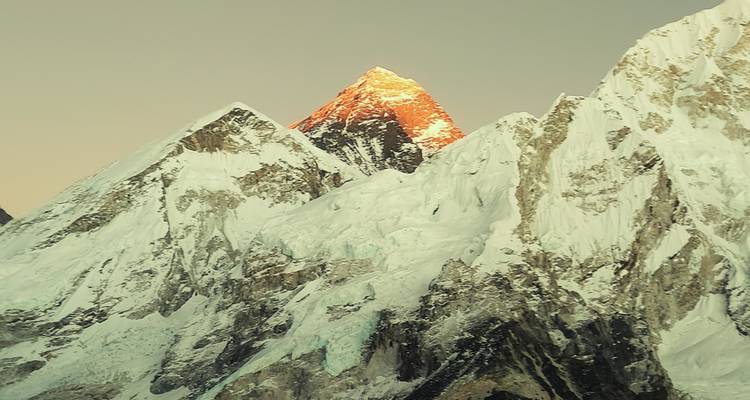
Highlights include trekking through Sagarmatha National Park, visits to Namche Bazaar, Tengboche Monastery, the Khumbu Glacier moraine, Everest Base Camp at 5,364 m, and the panoramic viewpoint at Kala Patthar. Additional stops feature the Sherpa Culture Museum, Everest View Hotel, and several traditional villages along the route.
Will there be free time in Kathmandu to explore the city’s cultural attractions?
Yes, the itinerary provides free time in Kathmandu on the arrival and departure days. Travelers can explore cultural sites such as Pashupatinath Temple, Boudhanath Stupa, and the historic Durbar Squares, or shop in Thamel. These activities are not organized by the tour and are at the traveler’s own expense.
Is this Everest Base Camp trek a good choice for first‑time visitors to Nepal?
For a first‑time visitor, this 16‑day trek offers a structured itinerary, a professional guide, and included flights, which reduce logistical challenges. The extra free days in Kathmandu also allow newcomers to acclimatize and experience the capital before heading into the mountains, making it a practical entry point to high‑altitude trekking.
What are the advantages of booking this guided 16‑day trek compared with organizing the trek independently?
Booking a guided trek provides professional guides who know the routes, altitude risks, and local customs, as well as organized logistics such as flights, gear, and campsite arrangements. Independent planning requires arranging permits, flights, porters, and supplies yourself, which can be time‑consuming and riskier for those unfamiliar with the region.
Which type of traveler gets the most value from the Everest Base Camp Trek – 16 Days with Extra Free Days in Kathmandu?
The tour delivers the most value to adventure‑oriented travelers who want a comprehensive high‑altitude experience without handling complex logistics themselves—such as solo trekkers, small groups, and those who prefer a guided, fully supported trek with included gear and flights.
What should I prepare before joining this Everest Base Camp trek (gear, altitude acclimatization, paperwork)?
Before joining, obtain a valid passport, arrange a Nepal visa, purchase high‑altitude travel insurance, and ensure you have basic trekking gear (good boots, layered clothing). Acclimatization is aided by spending a day in Kathmandu, and a moderate fitness program focusing on endurance walking with a pack is recommended.
Is the price of $1525 reasonable compared with the typical cost of a similar trek in Nepal?
The $1525 price is lower than many commercial Everest Base Camp packages, which often exceed $2,000 for a similar duration. The lower cost reflects inclusion of flights and gear but excludes meals, insurance, and personal expenses. Comparing the breakdown helps determine if the price aligns with your budget expectations.
Can I complete the Everest Base Camp trek without a guide, and what risks would that involve?
While it is technically possible to trek to Everest Base Camp without a guide, doing so increases risks such as getting lost, altitude sickness, and difficulty obtaining permits. The region’s terrain and weather can change rapidly, and a guide provides navigation, safety monitoring, and local knowledge that most independent trekkers lack.
How does the inclusion of extra free days in Kathmandu affect the overall experience of the trek?
The two extra free days in Kathmandu allow travelers to rest after the long flight to Lukla, obtain any needed supplies, and explore the cultural heritage of Nepal’s capital. This additional time can improve acclimatization, reduce fatigue, and enrich the overall experience beyond the mountain trek alone.
You May Also Like
More tours in the same destination
Nepal
Everest High Passes & Island Peak – 25‑Day Trek in Nepal
Nepal
26‑Day Jiri to Everest Base Camp Trek – Himalayan Hiking Experience
Nepal
Explore Tilicho Lake & Thorung La Pass on a 21‑Day Himalayan Trek
Nepal
Langtang‑Helambu 19‑Day Trek from Kathmandu
From
$1,525 person