 Lilshira


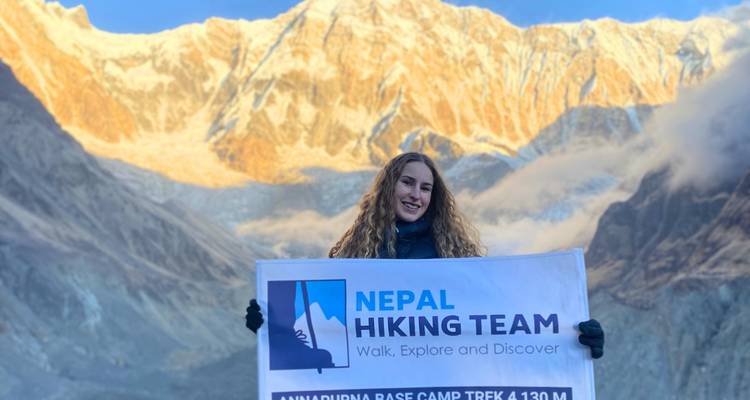
14‑Day Annapurna Base Camp Trek – Himalayan Hiking Adventure
Free Cancellation
Up to 24 hours in advance for a full refund.
Mobile Ticketing
Use your phone for entry to your destination.
Guide Language
English
Group Size
2 - 12
Description
The trek is designed for travelers aged 12 and up who are comfortable with moderate to challenging mountain hiking. Guided in English, the partially guided group format provides both professional support and personal flexibility. With a rating of 4.7 from previous participants, the tour is priced at $1,090 USD and includes accommodation, most meals, park permits and internal transfers. The itinerary is suitable for small groups seeking an organized yet personalized experience during the holiday season.
Itinerary
Kathmandu – Pokhara (Scenic Drive)
Travel by road from Kathmandu to Pokhara, passing terraced farmlands and mountain scenery.
Pokhara – Ulleri (Trek)
Trek from Birethanti to Tikhe Dhunga, cross a suspension bridge and ascend ~3,300 stone steps to Ulleri village.
Ulleri – Ghorepani (Trek)
Walk from Nangethanti to Ghorepani, enjoying panoramic mountain views along the trail.
Ghorepani – Chuile (Poonhill Sunrise & Trek)
Early‑morning hike to Poonhill for sunrise over Dhaulagiri and Annapurna, then continue down to Chuile.
Chuile – Chhomrong (Forest Walk & Village)
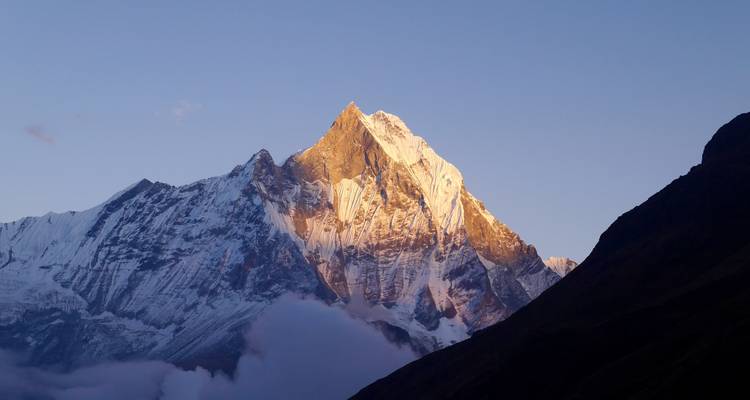
Descend across Kimrong Khola suspension bridge, trek through rhododendron and bamboo forests, visit the Gurjung Gurung settlement and reach Chhomrong with views of Annapurna South and Machhapuchhre.
Chhomrong – Deurali (Via Dovan)
Steep descent with stone steps and river crossing to Dovan, then ascend through bamboo and oak forests to Deurali, passing waterfalls and gaining panoramic peak vistas.
Deurali – Annapurna Base Camp – Bamboo (High‑Altitude Trek)
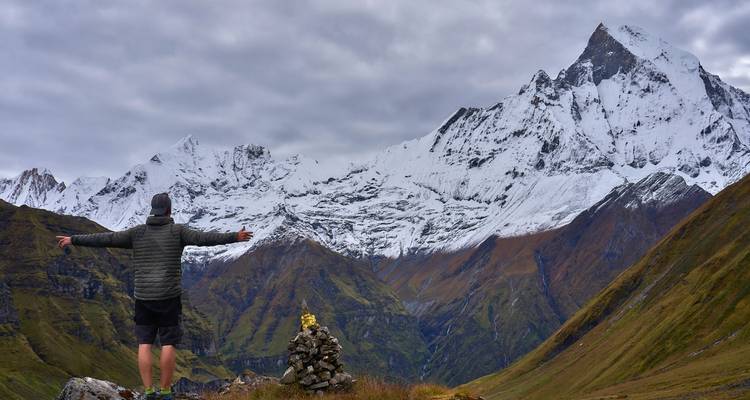
Climb to Machhapuchhre Base Camp and continue to Annapurna Base Camp for expansive Himalayan views, then descend through alpine meadows back to Bamboo.
Bamboo – Jhinu Danda – Pokhara – Kathmandu
Trek through oak, rhododendron and bamboo forests to Jhinu Danda, descend to the jeep station, drive back to Pokhara and then return to Kathmandu over rolling hills.
Meeting Point
Included
- task_alt Guide
- task_alt Additional Services
Excluded
- close Personal Expenses
- close Tips and Gratuities
- close Optional Add-ons
- close Travel Insurance
Frequently Asked Questions
What is included in the US$1,090 price for the Annapurna Base Camp Trek 14‑Days Adventure?
The listed price covers the services mentioned in the itinerary: a professional guide, transportation on the scenic drives between Kathmandu, Pokhara and the trailheads, accommodation in teahouses or lodges along the route, and most meals provided during the trek. It also includes park entry fees and the additional services noted by the operator. International flights, personal trekking gear, travel insurance, optional hot‑spring visits, tips for staff and any personal expenses are not part of the base price.
Are there any extra costs that participants should budget for during the trek?
Yes. While the base price includes guide and most meals, travelers should plan for visa fees (if required), travel insurance, personal equipment such as trekking poles or a sleeping bag, bottled water and snacks, optional entry to hot‑spring pools, internet access, souvenirs, and gratuities for guides and porters. A modest daily allowance for extra meals or personal items is also advisable.
What time does the first day of the trek begin, and where do participants meet in Kathmandu?
Specific start times and meeting locations are not listed. For most 14‑day Annapurna itineraries, participants are picked up from their Kathmandu hotel early in the morning (often between 6:00 am and 8:00 am) and driven to Pokhara. The exact pick‑up point is usually arranged with the tour provider, so you should verify the details when you confirm your reservation.
How many kilograms of luggage are allowed on the trek, and are there restrictions on gear?
The itinerary does not state a luggage limit. Standard practice on Nepal treks is to keep personal packs under 15–20 kg, with larger items such as sleeping bags shipped separately if needed. Porters are often available to carry heavier loads, but you should check any weight restrictions with the operator and confirm whether porter services are included or optional.
Does the itinerary include airport transfers in Kathmandu at the start and end of the tour?
Airport transfers are not mentioned in the supplied information. Some operators include pick‑up from Tribhuvan International Airport, while others expect travelers to arrange their own transport to the hotel where the tour begins. The same applies to the final drop‑off after the return drive to Kathmandu. Verify the transfer details with the tour company before you book.
How many days of rest or optional sightseeing are built into the 14‑day schedule?
The described route is a continuous trek with scheduled evenings in Pokhara and Kathmandu, but it does not list dedicated rest days. The itinerary includes scenic drives that provide brief opportunities to stretch and view the landscape, and evenings in larger towns allow for optional sightseeing. If you need a full rest day, you would need to discuss a possible adjustment with the operator.
Do travelers need a visa to enter Nepal for this trek?
Visa requirements are not provided in the source data. Most nationalities can obtain a tourist visa on arrival at Tribhuvan International Airport or at land border points, typically for a fee. Some countries are exempt for short stays. Check the latest Nepal immigration guidelines or contact the Nepalese embassy in your country to confirm the exact requirement for your passport.
What documents are required to obtain a Nepal tourist visa, if needed?
When a visa is required, you will need a passport that is valid for at least six months beyond your intended departure date, a completed visa application form, a recent passport‑size photograph, and the visa fee in US dollars. The visa is usually issued on the spot for stays up to 30 days, with the option to extend while in Nepal.
Is travel insurance mandatory for participants, and what coverage should it include?
The tour details do not state a mandatory insurance requirement, but reputable trekking operators strongly recommend it. At a minimum, your policy should cover medical treatment, emergency evacuation from high altitude, repatriation, and trip cancellation. If you plan to trek above 4,000 m, ensure the policy specifically includes high‑altitude trekking coverage.
Is the Annapurna Base Camp Trek suitable for solo travelers, and are there opportunities to meet other hikers?
Group size is not disclosed, but the tour is described as a group experience, which typically welcomes solo travelers. Joining a group trek provides the chance to share meals, campfires and rest stops with other participants, making it easier to socialize and find companionship on the trail. If you prefer a private experience, you would need to ask the operator about solo‑traveler options.
What fitness level is required to complete the Annapurna Base Camp Trek, and are there any acclimatization recommendations?
A moderate to good level of fitness is needed. Participants should be comfortable walking 5–7 hours per day on uneven terrain, handling altitude, and navigating stone steps. Acclimatization is built into the itinerary through gradual ascent, but it is advisable to spend a night or two at intermediate elevations, stay well hydrated, avoid alcohol, and consider a short pre‑trek hike to prepare your body.
Are seniors (55+) able to undertake this trek, and are there any special considerations?
Seniors in good health can complete the trek, but they should obtain medical clearance beforehand. The route includes steep sections and high altitude, so pacing is important. Using a porter for a personal pack, taking regular rest breaks, and staying hydrated help reduce strain. The guide can adjust daily distances if needed, but the overall schedule remains demanding.
Which attractions are highlighted during the Annapurna Base Camp Trek, and is there time for independent exploration?
Key highlights include the sunrise view from Poon Hill, the panoramic scenery at Machhapuchhre (Fishtail) Base Camp, rhododendron and bamboo forests, traditional Gurung villages such as Gurjung, and multiple waterfall viewpoints. The itinerary is structured with limited free time, but evenings in Pokhara and Kathmandu allow for independent sightseeing, shopping or relaxing before the next day's trek.
What is the most memorable part of the Annapurna Base Camp Trek according to past participants?
Travelers frequently mention the sunrise over the Dhaulagiri and Annapurna ranges from Poon Hill as a standout moment, followed by the expansive, unobstructed horizon seen from Annapurna Base Camp itself. The combination of high‑altitude alpine meadows, distant peaks and the sense of reaching the trail’s highest point often leaves a lasting impression.
Is this trek a good option for someone who has never trekked in the Himalayas before?
For first‑time Himalayan trekkers, the Annapurna Base Camp route offers a well‑established trail with gradual altitude gain, frequent tea houses and regular rest points, making it a reasonable introduction. However, the trek still demands several days of sustained walking, high altitude (over 4,000 m), and basic mountain conditions. Preparing with a few shorter hikes, improving cardiovascular fitness, and ensuring proper gear will increase comfort and safety.
Which type of traveler gets the most value from the Annapurna Base Camp Trek 14‑Days Adventure?
Travelers who appreciate a guided group experience, want to see a variety of landscapes—from terraced farmlands to alpine meadows—and prefer the convenience of organized transportation and accommodation typically find the most value. The tour also suits those who enjoy cultural interaction with Gurung villages and want a structured itinerary that includes iconic viewpoints such as Poon Hill and Annapurna Base Camp.
What should I prepare before joining this trek, such as gear and fitness training?
Preparation should focus on both physical conditioning and equipment. Aim for regular cardio workouts—hiking, jogging, cycling—for at least 8–10 weeks, gradually increasing distance and elevation. Essential gear includes sturdy trekking boots, layered clothing for temperatures ranging from warm daytime to sub‑zero nights, a sleeping bag rated for -10 °C, a waterproof jacket, a headlamp, and a reusable water bottle. Packing a basic first‑aid kit, sunscreen, and a hat is also recommended.
How does the cost of this guided trek compare with planning the same route independently?
A self‑planned Annapurna Base Camp trek can be cheaper if you arrange your own transport, accommodation and permits, but you will need to invest time in logistics, hire local guides or porters, and manage safety on your own. The US$1,090 price bundles guide services, organized transportation, and pre‑booked lodging, which reduces uncertainty and coordination effort. For travelers who value convenience and local expertise, the guided price often represents a reasonable trade‑off against the potential hidden costs of independent planning.
Can I complete the Annapurna Base Camp Trek without a guide, and what are the risks?
It is technically possible to trek independently, as the trail is well‑marked and popular. However, without a guide you lose local knowledge of weather changes, altitude sickness signs, and the most reliable tea houses. Risks include getting lost on less‑frequented sections, difficulty obtaining permits, and limited assistance in emergencies. For first‑time visitors or those unfamiliar with high‑altitude trekking, a guide greatly enhances safety and overall experience.
You May Also Like
More tours in the same destination
Nepal
Everest High Passes & Island Peak – 25‑Day Trek in Nepal
Nepal
26‑Day Jiri to Everest Base Camp Trek – Himalayan Hiking Experience
Nepal
Explore Tilicho Lake & Thorung La Pass on a 21‑Day Himalayan Trek
Nepal
Langtang‑Helambu 19‑Day Trek from Kathmandu
From
$1,090 person