


Annapurna Circuit and Tilicho Lake Trek
Free Cancellation
Up to 24 hours in advance for a full refund.
Mobile Ticketing
Use your phone for entry to your destination.
Guide Language
English
Group Size
1 - 16
Description
Itinerary
Kathmandu – Transfer to Jagat
Arrival in Kathmandu followed by a road transfer through rural villages to Jagat, offering a glimpse of local lifestyle and culture.
Jagat to Chame (via Bagarchhap)
Trek along the Marshyangdi River to Bagarchhap, passing stone chortens and traditional Tibetan houses, then continue through Timang and Kopar to reach Chame with views of Annapurna and nearby hot springs.
Chame to Manang (incl. Pisang)
Walk through forested valleys, cross a high bridge at 2910 m, view the Paungda Danda rock face, and proceed to Pisang and then Manang, observing yaks and local farming; spend an acclimatization day exploring Manang village.
Manang to Siri Kharka & Tilicho Base Camp
Depart Manang westward through coniferous forest, pass Kangsar Village and a monastery, then trek to Siri Kharka and onward on narrow paths to Tilicho Base Camp, navigating a landslide‑strewn area with striking rock formations.
Tilicho Lake Excursion
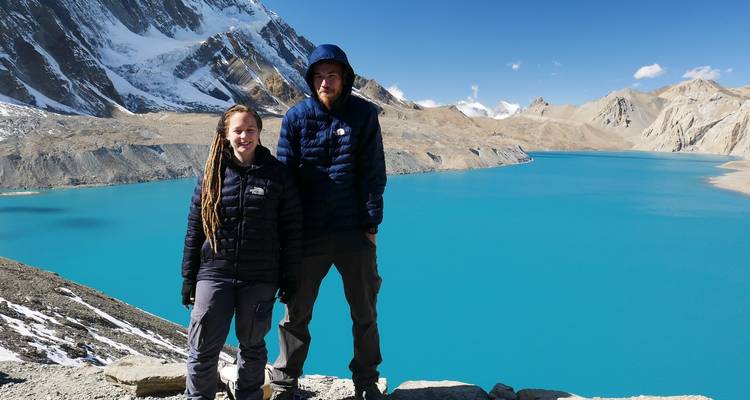
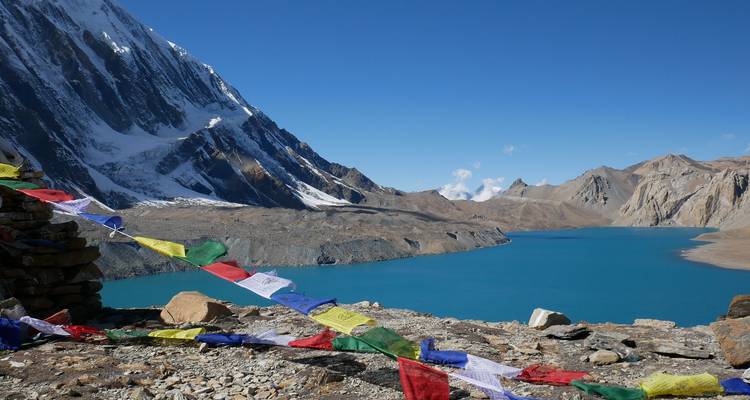
Ascend from the base camp to high‑altitude Tilicho Lake, admire the north face of Tilicho Peak, watch yaks and deer, then return to Siri Kharka.
Descent to Thorong La Pass and Jomsom
Descend via Yak Kharka, cross a seasonal bridge, reach High Camp, climb to Thorong La Pass for panoramic views, then trek down to Jomsom, visiting Muktinath temple, its 108 sacred water taps, Dhola Mebar Gompa, and the Jwalamai eternal‑flame temple.
Pokhara – Kathmandu – Departure
Fly from Jomsom to Pokhara, transfer back to Kathmandu, and conclude the 17‑day trek with departure from Kathmandu.
Meeting Point
Included
- task_alt Accommodation
- task_alt Guide
- task_alt Meals
- task_alt Additional Services
- task_alt Transport
Excluded
- close Additional Services
Frequently Asked Questions
What is included in the €1,977.93 price for the Annapurna Circuit and Tilicho Lake Trek?
The tour price covers all accommodation along the route, a professional English‑speaking guide, all meals (breakfast, lunch and dinner) as listed in the itinerary, internal ground transportation between Kathmandu, the trailheads, Jomsom, Pokhara and back to Kathmandu, and additional services such as permits and basic equipment. Any personal expenses, international flights, optional activities and tips are not part of the price.
Are there any optional or extra costs that are not covered by the tour price?
Yes. The price does not include international airfare, visa fees, travel insurance, personal trekking gear, optional side‑excursions, souvenirs, meals or drinks not listed in the program, and gratuities for guides and porters. It is also common to budget a small amount for extra snacks, internet access or laundry services if needed.
What is the cancellation and refund policy for this 17‑day trek?
The exact cancellation terms are not provided in the available data. Typically, tour operators require a written notice and may retain a percentage of the deposit depending on how far in advance you cancel. Please review the provider’s booking conditions or ask their customer service for the specific refund schedule.
Does the tour price include airport transfers in Kathmandu and at the end of the trek?
Transport is listed as an included service, which generally covers ground transfers between Kathmandu and the trailhead, as well as the return leg from Jomsom through Pokhara back to Kathmandu. However, dedicated airport pick‑up or drop‑off is not explicitly mentioned, so you should confirm whether the operator arranges a shuttle from the airport to your hotel and back.
Is travel insurance mandatory for this trek, and what coverage is recommended?
Travel insurance is not stated as mandatory, but it is strongly recommended for any high‑altitude trek in Nepal. Look for a policy that covers emergency medical evacuation, repatriation, trip interruption, and loss of personal belongings, with specific coverage for trekking above 3,500 m and helicopter rescue.
What are the typical daily start times and walking distances on the Annapurna Circuit and Tilicho Lake Trek?
Each day usually begins early, around 07:00 – 08:00 am, after breakfast. Walking periods range from 4 to 8 hours, covering 10 to 20 km depending on terrain and altitude. The itinerary includes both gradual ascents and steep sections, such as the climb to Thorong La Pass, so daily distances vary to allow proper acclimatization.
Where does the group meet for the first day in Kathmandu?
The exact meeting point is not detailed in the source material. Most organized treks in Kathmandu gather at a central hotel lobby or a designated meeting hall in the Thamel area. The operator will provide the precise address and time in the pre‑departure information packet.
How much luggage can I bring, and are there weight restrictions for this trek?
While the source does not list a specific limit, most Nepal trekking groups allow 20‑25 kg per person for personal items. Larger suitcases are often transported by local trucks or porters to the trailhead. Check with the tour provider for any exact weight or size restrictions they may enforce.
Are meals provided for breakfast, lunch, and dinner each day, and can dietary restrictions be accommodated?
All three main meals are included in the price. The operator states that meals are provided throughout the trek, and they can usually cater to vegetarian, vegan, gluten‑free or other dietary needs if you notify them in advance. Special allergies should be communicated at the time of booking.
Do I need a visa to travel to Nepal for this trek?
Most nationalities require a tourist visa to enter Nepal. Visas are available on arrival at Tribhuvan International Airport in Kathmandu or at land border crossings. The visa is typically issued for 15, 30 or 90 days. Verify the current requirements for your citizenship before you travel.
What documents are required to obtain a Nepal visa for this tour?
You will need a passport valid for at least six months beyond your intended stay, a completed visa application form, a recent passport‑size photograph, and the visa fee in US dollars. Some travelers also bring a printed copy of their flight itinerary, but it is not mandatory for the visa on arrival.
Is a medical certificate required for high‑altitude trekking on the Annapurna Circuit?
The tour information does not list a mandatory medical certificate, but many operators recommend a recent doctor’s clearance for activities above 3,500 m. The certificate should confirm that you have no cardiovascular, respiratory or severe joint problems that could be aggravated by high‑altitude trekking.
What fitness level is recommended for the Annapurna Circuit and Tilicho Lake Trek?
A moderate to good fitness level is advisable. You should be comfortable walking 4‑8 hours per day on uneven terrain, handling altitude changes up to 5,416 m at Thorong La Pass, and coping with steep ascents and descents. Prior hill‑walking or trekking experience and regular aerobic exercise will help you enjoy the trek safely.
Is this trek suitable for families with children, and what age is recommended?
The circuit is family‑friendly, but the high altitude and long daily walks make it more appropriate for older children. Most operators suggest a minimum age of 12 years for participants without prior trekking experience. Younger children can join if they are well‑acclimatized and the family is prepared for the physical demands.
What are the main highlights of the Annapurna Circuit and Tilicho Lake Trek?
Key highlights include crossing the iconic Thorong La Pass (5,416 m), visiting the high‑altitude Tilicho Lake, exploring the sacred Muktinath temple, panoramic views of the Annapurna and Dhaulagiri massifs, traditional Tibetan‑style villages such as Bagarchhap and Manang, and the chance to see yaks, deer and local farming life along the Marshyangdi River.
Will there be free time for independent sightseeing in Kathmandu or Pokhara during the tour?
Yes. The itinerary typically allows free time on the arrival day in Kathmandu and on the final day before departure, as well as a short stay in Pokhara after the trek. This gives travelers the opportunity to explore city attractions, markets, or relax before returning home.
Is the Annapurna Circuit and Tilicho Lake Trek a good choice for someone visiting Nepal for the first time?
For first‑time visitors who want a comprehensive trekking experience, this circuit offers a balanced mix of cultural immersion, varied landscapes, and high‑altitude challenges. The guided format provides logistical support, safety, and local insight, making it a solid introduction to Nepal’s trekking culture, provided you are prepared for the altitude and have a reasonable fitness level.
What are the advantages of booking this fully guided trek compared with planning the Annapurna Circuit independently?
A fully guided trek handles permits, transportation, accommodation bookings, and daily logistics, which saves considerable time and reduces the risk of missing critical arrangements. You also benefit from an experienced guide who knows the trail, can adjust the pace for acclimatization, and offers cultural context. Independent planning requires arranging all these elements yourself, which can be complex and stressful, especially for first‑time trekkers.
Which type of traveler gets the most value from the Annapurna Circuit and Tilicho Lake Trek?
Travelers who enjoy structured itineraries, cultural interaction, and high‑altitude scenery gain the most value. This includes adventure‑oriented families, small groups, solo explorers seeking safety in numbers, and those who prefer a guide to handle permits, transport and daily meals while they focus on the trekking experience.
What should I prepare before joining this 17‑day trek?
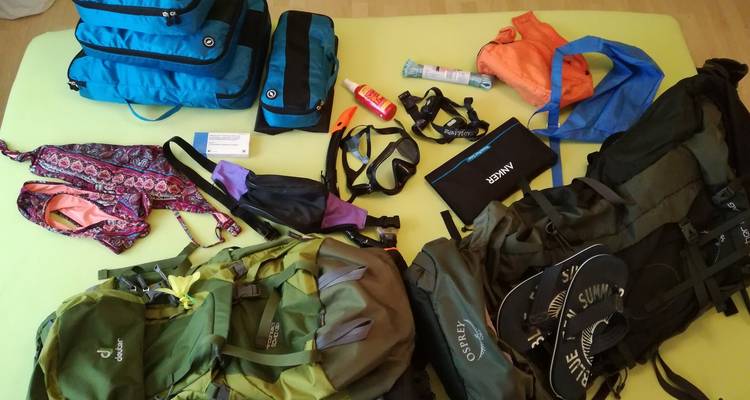
Before departure, obtain a Nepal tourist visa, arrange comprehensive travel insurance, and get a medical check‑up confirming fitness for high altitude. Pack appropriate gear: layered clothing, sturdy trekking boots, a sleeping bag rated for sub‑zero temperatures, a reusable water bottle, and personal toiletries. Notify the operator of any dietary restrictions, and consider a short acclimatization hike in Kathmandu to adapt to walking with a pack.
You May Also Like
More tours in the same destination
Nepal
Everest High Passes & Island Peak – 25‑Day Trek in Nepal
Nepal
26‑Day Jiri to Everest Base Camp Trek – Himalayan Hiking Experience
Nepal
Explore Tilicho Lake & Thorung La Pass on a 21‑Day Himalayan Trek
Nepal
Langtang‑Helambu 19‑Day Trek from Kathmandu
From
$1,978 person