 ليلشيرا


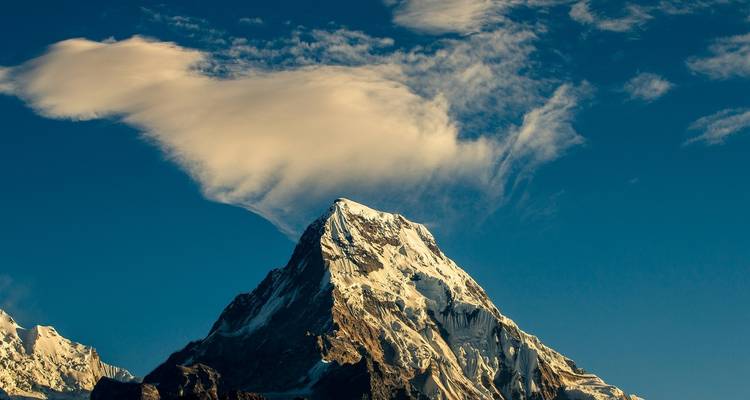
مغامرة المشي على مسار أنابورنا الدائري 12 يومًا من كاتماندو
إلغاء مجاني
حتى 24 ساعة مقدمًا لاسترداد المبلغ بالكامل.
التذاكر عبر الهاتف المحمول
استخدم هاتفك للدخول إلى وجهتك.
لغة المرشد
الإنجليزية، الإسبانية
حجم المجموعة
بحد أقصى 12 شخصًا
الوصف
السعر الإجمالي للرحلة هو 1 062 يورو للشخص، وتشمل جميع رسوم الإرشاد، الإقامة، الوجبات، وتصاريح الدخول إلى المتنزه. تُتاح خيارات إضافية مثل صعود معسكر عالٍ أو حجز رحلة جوية من بوكاره إلى كاتماندو (120 دولارًا أمريكيًا للشخص). يُنصح بالحجز مسبقًا لضمان مكان في المجموعة المحدودة، مع مراعاة سياسات الإلغاء المرنة وفقًا لشروط المنظم.
خطة الرحلة
الوصول إلى كاتماندو
الوصول إلى مطار كاتماندو وتسجيل الدخول في الفندق.
الانتقال إلى دراباني
رحلة خاصة من كاتماندو إلى بشيساهار بالسيارة ثم إلى دراباني بالجيب المحلي.
من دراباني إلى تشام ثم بيسانغ
مشية على مسار البغال من دراباني إلى تشام، ثم متابعة المشي عبر وادي مارسياجندي إلى بيسانغ.
من بيسانغ إلى مانانغ
مسار عبر قرى غيارو، نغاول ومونجي وصولاً إلى مانانغ مع زيارة دير بارجي.
يوم التأقلم في مانانغ
زيارة دير مانانغ، رحلة إلى بحيرة غانغابورنا، جولة في القرى المحلية، وزيارة عيادة الجمعية الهندية للإنقاذ.
عبور ثورونغ لا إلى موكتيناث
المشي من مانانغ إلى ياك خاركا ثم إلى ثورونغ بيدي، عبور القمة (5,416 م) والنزول إلى موكتيناث مع زيارة المعبد المقدس.
العودة إلى كاتماندو عبر بوكارا
نقل من موكتيناث إلى بوكارا، ثم رحلة بالحافلة السياحية إلى كاتماندو، يليه مغادرة الرحلة.
نقطة الالتقاء

يشمل
- task_alt Flights
- task_alt Guide
- task_alt Additional Services
لا يشمل
- close المصاريف الشخصية
- close الإكراميات والبقاشيش
- close إضافات اختيارية
- close تأمين السفر
الأسئلة الشائعة
Are international flights to Kathmandu covered in the tour price?
International flights are not included in the €1,062 tour price. The price only includes the internal transfers within Nepal as described in the itinerary. You will need to arrange and pay for your own flight to and from Tribhuvan International Airport in Kathmandu.
Are there any additional fees that are not part of the listed price?
Potential extra costs include meals that are not listed, personal trekking gear, visa fees (if required), travel insurance, optional extra nights, porter or muleservice, and any personal expenses such as souvenirs or additional drinks. Because the source data does not detail these items, you should ask the provider for a complete breakdown of any supplementary charges.
What is the cancellation and refund policy for this tour?
The cancellation terms are not provided in the available data. Typically, guided trekking operators have a tiered refund schedule based on how far in advance you cancel, but you should request the exact policy from the tour organizer before booking to understand any penalties or refundable amounts.
When does the 12‑day Annapurna Circuit Trek start each day?
The itinerary does not list exact daily start times. Generally, trekking days in Nepal begin early, around 6 am to 7 am, to allow for daylight on the trail. Transfer days usually start after breakfast. For precise departure times, ask the guide or operator for the daily schedule.
Where is the meeting point in Kathmandu for the first transfer?
The specific meeting location in Kathmandu is not detailed in the source. Most organized treks meet at a central office or a designated hotel lobby near Thamel, where the private car to Besisahar departs. Confirm the exact address with the tour provider before arrival.
How much luggage am I allowed to bring on the trek?
While the data does not state a luggage limit, typical Nepal trekking tours allow a main backpack of 20–25 kg for personal gear and a separate porter bag of up to 15 kg for shared equipment. If you plan to use a porter or mule, check the provider’s weight allowances and any extra fees.
Is airport transfer between Tribhuvan Airport and the Kathmandu meeting point included?
Airport transfer is not mentioned among the included services. The listed transfers cover the journey from Kathmandu to Besisahar, the local jeep to Dharapani, and the return bus from Pokhara to Kathmandu. You should arrange your own transport from Tribhuvan Airport to the meeting point unless the operator confirms otherwise.
Do I need a visa to travel to Nepal for this trek?
Visa requirements are not included in the source information. Most nationalities can obtain a tourist visa on arrival at Tribhuvan International Airport, or apply online for a Nepal e‑visa. Verify the current policy for your passport country and ensure your passport is valid for at least six months beyond your travel dates.
What travel documents are required besides a passport?
Beyond a valid passport, Nepal typically requires a completed visa application (if not using the on‑arrival option) and proof of onward travel. Some trekking permits, such as the Annapurna Conservation Area Permit (ACAP) and the Trekkers’ Information Management System (TIMS) card, are required and are usually arranged by the guide. Check with the tour operator for assistance with these permits.
Is travel insurance mandatory for the Annapurna Circuit Trek?
The data does not state a requirement, but reputable trekking companies usually require participants to have travel insurance that covers high‑altitude trekking, medical evacuation, and repatriation. Even if not mandatory, purchasing a policy with these coverages is strongly recommended for safety on the Thorong La Pass and remote sections.
Is the trek suitable for solo travelers?
The Annapurna Circuit Trek is offered as a group tour, which means solo travelers can join a small group led by a guide. This arrangement provides companionship, shared costs for transport and permits, and added safety on high‑altitude sections. Solo travelers should feel comfortable trekking in a group setting and following the guide’s instructions.
What fitness level is recommended for completing the Annapurna Circuit Trek?
A moderate to high fitness level is advisable. The trek involves daily walking of 5–7 hours, altitude gain up to 5,416 m, and some steep ascents. Participants should be comfortable with multi‑day hiking, have experience at moderate altitude, and be able to handle long days on uneven terrain. Regular cardio and strength training before departure will improve the experience.
Is the itinerary appropriate for senior travelers (55+)?
Senior travelers in good health can complete the circuit, but the high altitude and long walking days may pose challenges. The tour includes an acclimatization day in Manang, which helps mitigate altitude sickness. Seniors should obtain a medical clearance, consider a slower pace, and discuss any needed accommodations (e.g., porter support) with the guide before joining.
Which major attractions are visited during the Annapurna Circuit Trek?
The itinerary includes visits to Barge Monastery and Manang Monastery, a side trip to Gangapurna Lake, the Himalayan Rescue Association Clinic in Manang, and the holy temple at Muktinath. Trekkers also experience the Marsyangdi Valley, local villages such as Ghyaru, Ngawal, and Mungji, and cross the Thorong La Pass at 5,416 m before descending to Pokhara.
What is the highlight of the Annapurna Circuit Trek according to the itinerary?
The most notable highlight is crossing Thorong La Pass at 5,416 m, which offers expansive views of the Annapurna and Dhaulagiri ranges. Additional highlights include the cultural visits to Manang and Barge monasteries, the side trip to the pristine Gangapurna Lake, and the spiritual experience at the Muktinath holy temple.
Is this trek a good choice for first‑time visitors to Nepal?
For first‑time visitors who want a structured, fully guided experience, the Annapurna Circuit Trek provides a comprehensive introduction to Nepal’s high‑altitude trekking, local culture, and iconic landscapes. The guide handles permits, logistics, and acclimatization days, which reduces the complexity of independent planning. However, newcomers should be prepared for altitude and long walking days.
Which type of traveler gets the most value from the Annapurna Circuit Trek?
Travelers who appreciate a blend of cultural immersion, high‑altitude trekking, and a well‑organized group setting gain the most value. This includes adventure‑oriented hikers with moderate fitness, cultural enthusiasts interested in monasteries and remote villages, and those who prefer the safety and convenience of a professional guide handling logistics.
What should I prepare before joining this trek (gear, altitude, permits)?
Prepare layered clothing for cold nights and warm days, a sturdy trekking boot, a sleeping bag rated to –10 °C, and a 20–25 kg backpack. Obtain a Nepal tourist visa, the Annapurna Conservation Area Permit (ACAP), and a TIMS card; the guide often assists with these. Acclimatize by spending a few days at moderate altitude before the high pass, stay hydrated, and consider a medical check‑up focused on altitude tolerance.
How does the cost of this guided tour compare with planning the circuit independently?
The €1,062 price includes guided services, internal transfers, and some additional services, which can add up if arranged separately. Independent planning requires arranging private transport, hiring a guide, obtaining permits, and possibly paying for porter services, which can exceed the tour price. However, independent travelers may save on guide fees but must invest time and risk missing logistical support. Comparing total costs depends on personal preferences for convenience versus DIY planning.
Can I complete the Annapurna Circuit without a guide, or is a guide required?
While it is technically possible to trek the circuit independently, the itinerary includes high‑altitude sections, permit arrangements, and remote village logistics that benefit from a local guide’s expertise. The tour description markets the trek as fully guided, indicating that the operator expects participants to travel with a guide. If you prefer an unguided trek, you would need to arrange your own permits, transport, and possibly a local porter.
قد يعجبك أيضًا
المزيد من الجولات في نفس الوجهة
Nepal
رحلة 25 يوماً عبر ممرات إيفرست العليا وقمة الجزيرة في نيبال
Nepal
جيري إلى قاعدة إيفرست: رحلة مشي 26 يوماً في جبال الهيمالايا
Nepal
رحلة 21 يوماً إلى بحيرة تيلتشو وممر ثورونغ لا في جبال الهملايا
Nepal
استكشاف لانغتانغ‑هيلامبو: مسار 19 يوماً من كاتماندو
من
$1,062 شخص