 Lilshira


Discover Aalborg, Denmark
A vibrant city on Denmark’s North Sea coast offering culture, history, and modern attractions.
24°C / 75°F
Sunny in Aalborg
Peak Season
High visitor demand
Aalborg at a glance
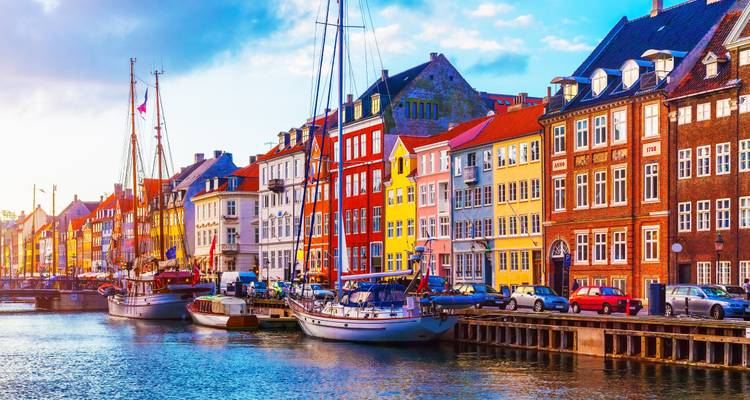
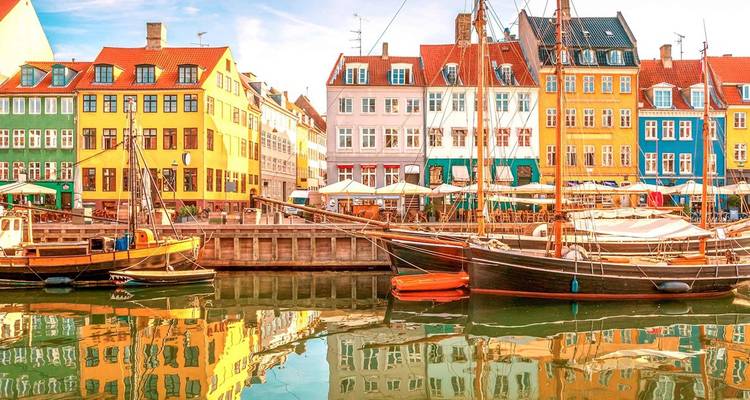
Aalborg, Denmark’s fourth‑largest city, sits on the Limfjord and blends historic wooden houses with a lively waterfront district. Known for its university atmosphere, cultural festivals, and a mix of old‑town charm and contemporary design, the city provides a distinct Nordic experience that stands out among Denmark’s urban destinations.

Things to Do in Aalborg
Curated experiences led by local experts.
Scandinavia Highlights – Denmark Norway Sweden Finland
10 Days • Experience
From EUR3,228

The Baltic States & Scandinavia
14 Days • Experience
From EUR2,930
Capitals of Scandinavia
10 Days • Experience
From EUR2,295

Vision of Scandinavia & The Baltics
17 Days • Experience
From EUR4,475
Map View
Explore Aalborg on the map
Aalborg
The map is centred on Aalborg.
Why travel to Aalborg?
Aalborg is ideal for short city breaks, family outings, and business trips alike. Its compact layout makes it easy to explore museums, historic sites, and waterfront promenades in a few days, while the active nightlife and university vibe appeal to younger travelers seeking a dynamic yet manageable destination.
Aalborg travel blogs
Stories and guides connected to Aalborg and the surrounding destination.
What should you know before visiting Denmark? – A Complete Country Guide
Before you set foot in Denmark, plan for a 5‑7 day stay, travel in late spring or early autumn, and budget for mid‑range...
What are the hidden gems of Denmark? A guide to secret spots
Denmark’s hidden gems range from the pastel‑colored fishermen’s village of Ærøskøbing to the moss‑covered cliffs of Møns...
Is Denmark Safe for Travellers? What You Need to Know
Yes, Denmark is considered very safe for travellers. Most visitors experience low crime rates, well‑maintained public sp...
What is a good itinerary for Denmark? A 7‑Day Guide
A good itinerary for Denmark spans 7 days, covering Copenhagen, Roskilde, Odense and the scenic North Zealand coast. Thi...
How many days are enough to visit Denmark? A practical guide
Five days is the sweet spot for most visitors to Denmark. It allows you to explore Copenhagen’s historic centre, sample...
What is the best time to visit Denmark? Choose the perfect season
The best time to visit Denmark is late spring through early autumn, with May to September offering the most pleasant con...
More in Denmark
Browse more city pages across Denmark.