 Lilshira


Denmark Travel Overview
Key facts and tips for visiting Denmark’s cities, safety, costs and travel timing.
Currency
Danish krone (DKK)
Language
Danish
Population
Approximately 5.9 million
Visa
Schengen visa‑free for EU/EEA and many countries; others need a Schengen visa
Safety
High safety level with low crime rates
Travel Cost
Moderate to high; Scandinavia is generally expensive for accommodation and dining
Best Visit
May to September
Denmark at a glance
Denmark combines historic towns, modern design and a temperate maritime climate across its 20 cities. Popular destinations such as Copenhagen, Aarhus, Odense, Aalborg and Frederiksberg showcase a mix of cultural heritage and contemporary life. The country’s high safety rating and clear visa framework make it a straightforward choice for international travelers seeking a well‑organized experience.


Tours & Activities
Curated experiences led by local experts.
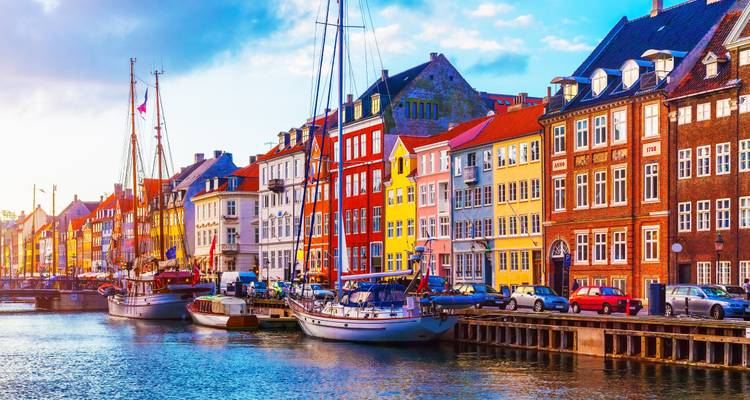
Scandinavia Highlights – Denmark Norway Sweden Finland
10 Days • Curated activity
From $3,228

The Baltic States & Scandinavia
14 Days • Curated activity
From $2,930
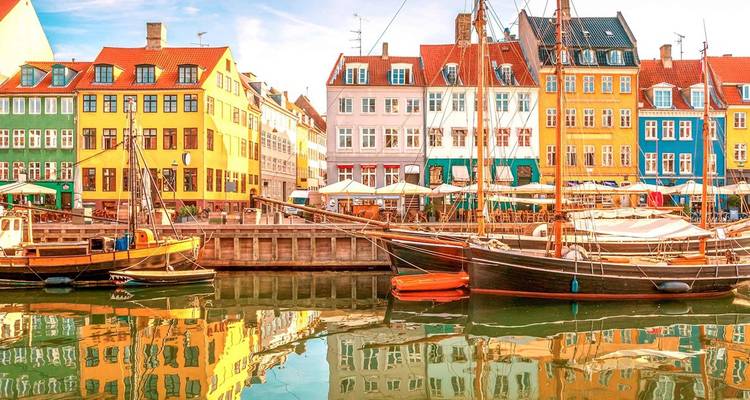
Capitals of Scandinavia
10 Days • Curated activity
From $2,295

Vision of Scandinavia & The Baltics
17 Days • Curated activity
From $4,475
Map View
Explore Denmark on the map
Centered on the country’s main cities and scaled to keep the full destination in view.
Denmark travel overview
The country is well suited for city‑focused itineraries, cultural explorations and coastal excursions. Visitors can enjoy museum districts, historic architecture and vibrant waterfronts in Copenhagen and Aarhus, while smaller towns like Kolding and Horsens offer quieter, family‑friendly environments. The May‑September window provides the most favorable weather for walking tours and outdoor activities.
Cities in Denmark
Explore the main cities in Denmark and open each one for more local details.

Aalborg
Aarhus
Århus
Avedøre
Copenhagen
Esbjerg
Frederiksberg
Greve
Hedensted
Herning
Horsens
Hørsholm
Hvidovre
Klinteby Frihed
Kolding
Odense
Randers
Roskilde
Silkeborg
Vejle
Essential Travel Tips
Book Early
Popular routes and hotels fill quickly in peak season.
Mix Transport
Use trains between cities and local transit inside centers.
Stay Central
Base yourself near a walkable area to save time.
Cash Ready
Some small vendors still prefer cash for smaller purchases.
Pack Smart
Comfortable shoes matter more than anything else.
Travel guides for Denmark
Practical answers for planning your trip to Denmark.