Discover Århus, Denmark

A vibrant city known for historic charm, modern culture, and scenic waterfronts.

explore
wb_sunny

24°C / 75°F

Sunny in Århus

trending_up

Peak Season

High visitor demand

Århus at a glance

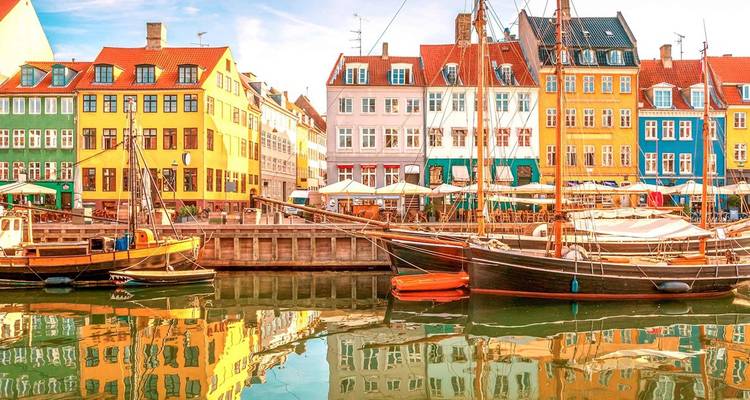
Århus, Denmark’s second‑largest city, blends a youthful university atmosphere with rich cultural heritage. Visitors are drawn to its renowned art institutions, historic districts, and lively harbor area, all set against a backdrop of coastal scenery. The city’s mix of contemporary design and traditional Danish architecture makes it a distinct destination in the region.

palette Culture & Art
restaurant_menu Culinary Heritage
Århus View
Århus Landmark
Århus Street

Things to Do in Århus

Curated experiences led by local experts.
View All Activities arrow_forward

Map View

Explore Århus on the map

open_in_new Open in Google Maps
place

Århus

The map is centred on Århus.

56.157, 10.211

Why travel to Århus?

Århus suits a range of trips, from short city breaks focused on museums and design to family outings that include parks and waterfront activities. The presence of a major university adds a dynamic nightlife, while easy access to nearby nature reserves supports outdoor enthusiasts. Whether you seek culture, food, or relaxed coastal walks, Århus offers balanced experiences for diverse travelers.

palette Culture & Art
restaurant_menu Culinary Heritage
Århus View
Århus Landmark
Århus Street

Århus travel blogs

Stories and guides connected to Århus and the surrounding destination.

More in Denmark

Browse more city pages across Denmark.

Frequently Asked Questions

What is the easiest way to travel from Copenhagen to Århus?

expand_more
The most convenient option is the frequent train service between Copenhagen Central Station and Århus Central Station, taking about three hours. Direct flights also connect the two cities, landing at Århus Airport in roughly one hour. Long‑distance buses provide a lower‑cost alternative, though travel time is longer. Choose based on budget, schedule, and preferred comfort level.

When does Århus experience its highest number of visitors?

expand_more
Visitor numbers peak during the summer months of June, July, and August, when daylight hours are longest and many outdoor events take place. This period coincides with school holidays across Europe, leading to increased domestic and international travel to the city’s cultural sites and waterfront attractions.

How many days should I allocate to explore Århus?

expand_more
A stay of two to three full days allows you to visit the main museums, walk through historic neighborhoods, enjoy the harbor promenade, and sample local cuisine. Extending the trip by an additional day provides flexibility for day trips to nearby natural areas or a more relaxed pace.

Do I need a visa to travel to Århus, Denmark?

expand_more
Travelers from EU, EEA, and Schengen Area countries can enter Denmark, including Århus, with a valid national ID or passport and do not require a visa. Visitors from countries outside these zones should check the Schengen visa requirements well before departure, as a short‑stay visa may be necessary for stays up to 90 days.

What are the top cultural attractions in Århus?

expand_more
Key cultural sites include ARoS Art Museum, known for its rainbow‑colored walkway, the open‑air museum Den Gamle By which recreates historic Danish towns, and the historic Aarhus Cathedral with its striking brick façade. Together they showcase the city’s artistic, architectural, and historical depth.

Which museums in Århus are must‑see for visitors?

expand_more
Visitors should prioritize ARoS Art Museum for contemporary installations, Moesgaard Museum for archaeological and anthropological exhibits set in a striking modern building, and Den Gamle By, an open‑air museum that presents life in Danish towns from the 16th to the 20th century. Each offers a distinct perspective on Danish culture.

Where can I enjoy waterfront views in Århus?

expand_more
The harbor promenade along the Aarhus Ø district provides expansive views of the sea and modern architecture. Marselisborg Beach offers a more relaxed setting with sandy shores, while the dock area near the Old Town gives a historic backdrop. All locations are easily reachable on foot or by bike.

Are there historic neighborhoods worth exploring in Århus?

expand_more
The Latin Quarter, or Latinerkvarteret, features narrow cobblestone streets, boutique shops, and cafés housed in centuries‑old buildings. Nearby, the Old Town area around Aarhus Cathedral retains medieval street patterns and offers a glimpse into the city’s early development. Walking tours often highlight these districts for their preserved character.

What local dishes should I try while in Århus?

expand_more
Traditional Danish open‑sandwiches known as smørrebrød are a staple, often topped with pickled herring, liver pâté, or roast beef. For heartier fare, flæskesteg (roast pork) and frikadeller (meatballs) are common. Fresh North Sea seafood, such as smoked salmon and shrimp, is also widely available in local eateries.

Where are popular spots for coffee and pastries in Århus?

expand_more
Café Drudenfuss on the historic square offers classic Danish pastries alongside strong coffee. La Cabra, a specialty coffee roastery, is praised for its carefully sourced beans and minimalist setting. Emmerys, a bakery chain with several locations, provides a range of organic breads and sweet treats for a quick snack.