 Lilshira


Discover Akureyri, Iceland
A vibrant town set against dramatic fjords and mountains, offering nature, culture, and Icelandic charm.
24°C / 75°F
Sunny in Akureyri
Peak Season
High visitor demand
Akureyri at a glance
Akureyri is Iceland’s second‑largest urban area, home to roughly 18,000 residents. Nestled at the head of a deep fjord and surrounded by mountains, it serves as the cultural and economic hub of North Iceland. The town blends historic wooden architecture with modern amenities, making it a distinctive gateway to the country’s rugged north.

Things to Do in Akureyri
Curated experiences led by local experts.

Iceland Discovery
7 Days • Experience
From EUR1,752
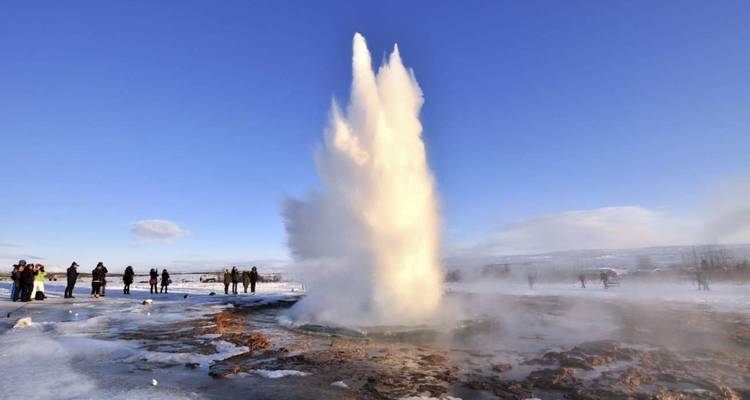
6 day Guided tour | Hidden Powers & Northern Lights Hunt
6 Days • Experience

Iceland North & South - 6 days
6 Days • Experience
From EUR2,498
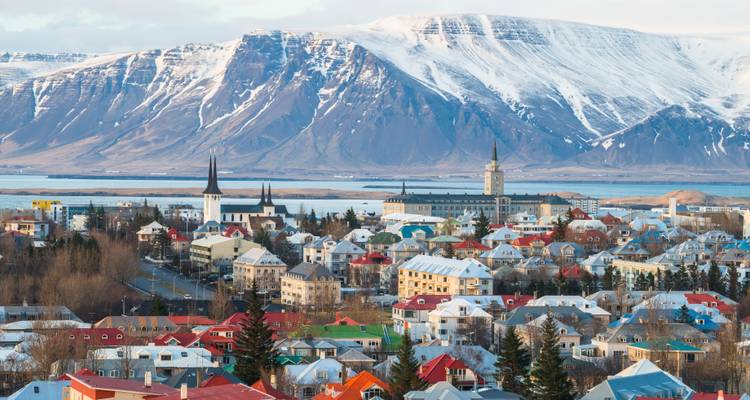
Iceland Overnight Adventure - 2 days
2 Days • Experience
From EUR690
Map View
Explore Akureyri on the map
Akureyri
The map is centred on Akureyri.
Why travel to Akureyri?
Akureyri suits a range of trips: nature lovers can explore nearby waterfalls, volcanic landscapes and whale‑watching tours; adventure seekers enjoy skiing in winter and hiking in summer; families appreciate the town’s museums, botanical garden and safe pedestrian streets; and culture enthusiasts can experience local festivals, music venues and art galleries.
Akureyri travel blogs
Stories and guides connected to Akureyri and the surrounding destination.
What Should You Know Before Visiting Iceland? A Complete Country Guide
You should know that Iceland’s weather shifts fast, roads can be demanding, and many attractions follow a seasonal sched...
What are the hidden gems of Iceland? A guide to off‑the‑radar wonders
Iceland’s hidden gems include remote waterfalls like Gljúfrabúi, secluded hot springs such as the Reykjadalur river, qui...
Is Iceland Safe for Travellers? Essential Safety Overview
Yes, Iceland is considered very safe for travellers. Crime rates are among the lowest in Europe, and the nation’s emerge...
What is a good itinerary for Iceland? A 10‑day Ring Road plan
A solid Iceland itinerary spans 7 to 10 days, circling the island on the Ring Road. This timeframe lets you explore Reyk...
What is the Best Time to Visit Iceland? A Complete Seasonal Overview
The best time to visit Iceland depends on what you value most: June through August for endless daylight and easy road co...
How many days are enough to visit Iceland? Find the perfect itinerary
Eight to ten days is generally enough to visit Iceland without feeling rushed. This timeframe covers Reykjavik, the Gold...
More in Iceland
Browse more city pages across Iceland.