Iceland Coast

Iceland Travel Overview

Key facts and insights for traveling across Iceland’s cities and landscapes.

56 Tours
6 Guides
12 Cities
payments

Currency

Icelandic króna (ISK)

translate

Language

Icelandic

groups

Population

Approximately 380,000

passport

Visa

Schengen visa‑free for EU/EEA and many countries; others need a Schengen visa for up to 90 days

security

Safety

Very safe with low crime rates

savings

Travel Cost

High

wb_sunny

Best Visit

June – August

Iceland at a glance

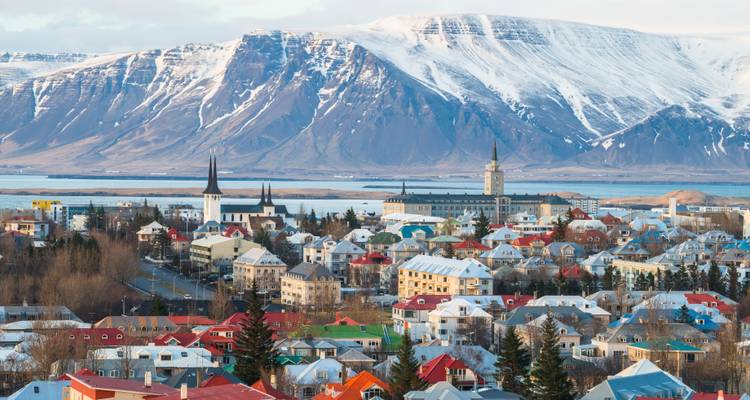
Iceland offers a distinct travel experience marked by its Icelandic language, the Icelandic króna, and a modest population of about 380,000 people. The nation operates on GMT (UTC+0) and enjoys a cool maritime climate with mild summers and cold, windy winters. Visitors benefit from a reputation for safety, low crime rates, and a well‑defined visa framework within the Schengen area. Popular urban centers such as Reykjavík, Akureyri, and Keflavík provide gateways to the country’s natural and cultural attractions.

Iceland view Iceland view

Map View

Explore Iceland on the map

Centered on the country’s main cities and scaled to keep the full destination in view.

place 12 Attractions public Google Maps style
search
Search area
Iceland
Country location
Iceland
Centred from 12 city points.
open_in_new Open in Google Maps

Iceland travel overview

The country is well suited for trips that combine city exploration with access to dramatic natural settings. Summer months (June to August) provide longer daylight hours and milder weather, making them ideal for outdoor activities. While travel costs are high, the safety record and reliable infrastructure support a range of itineraries, from short city stays in Reykjavík to multi‑day journeys across the coastal and inland regions.

Iceland view Iceland view

Essential Travel Tips

Book Early

Popular routes and hotels fill quickly in peak season.

Mix Transport

Use trains between cities and local transit inside centers.

Stay Central

Base yourself near a walkable area to save time.

Cash Ready

Some small vendors still prefer cash for smaller purchases.

Pack Smart

Comfortable shoes matter more than anything else.

Frequently Asked Questions

What visa requirements apply to travelers visiting Iceland? expand_more
Iceland is part of the Schengen Area. Citizens of EU/EEA countries and many others can enter visa‑free for up to 90 days within a 180‑day period. Travelers from nations that do not have visa‑free agreements must obtain a Schengen visa before arrival. The visa allows movement throughout all Schengen member states, including Iceland.
How safe is Iceland for solo travelers and families? expand_more
Iceland consistently ranks among the safest countries worldwide. Crime rates are low, and the society places a strong emphasis on public safety. Emergency services are reliable, and most visitors experience a secure environment for solo travel, family trips, and group tours alike.
What is the typical cost of traveling in Iceland for accommodation and meals? expand_more
Travel expenses in Iceland are generally high compared with many European destinations. Mid‑range hotels often cost between 150 USD and 250 USD per night, while meals at restaurants can range from 30 USD to 60 USD per person. Budget options such as hostels and self‑catering can reduce costs, but overall pricing remains on the higher side.
Which currency is used in Iceland and where can I exchange money? expand_more
The official currency is the Icelandic króna (ISK). Currency exchange services are available at banks, airports, and many hotels in major cities like Reykjavík. ATMs widely dispense krónur and accept most international debit and credit cards, often providing the most convenient way to obtain local cash.
What language is spoken in Iceland and will I be understood if I speak English? expand_more
Icelandic is the official language. English is widely spoken, especially in tourism, hospitality, and urban areas. Most signs, menus, and service staff communicate effectively in English, allowing travelers who do not speak Icelandic to navigate the country without significant language barriers.
When is the most favorable period to visit Iceland for daylight and weather? expand_more
June through August offers the longest daylight hours and the mildest temperatures, making it the most favorable period for outdoor activities and sightseeing. During these months, average daytime temperatures range from 10 °C to 15 °C, and the risk of severe weather is lower than in winter.
What are the major cities to include in an Iceland itinerary? expand_more
Key cities include Reykjavík, the capital and cultural hub; Akureyri in the north, known for its scenic surroundings; Keflavík, home to the international airport; and smaller municipalities such as Kópavogur, Hafnarfjörður, and Selfoss. These locations provide access to urban amenities and serve as bases for exploring surrounding natural sites.
How would you describe Iceland’s climate throughout the year? expand_more
Iceland experiences a cool maritime climate. Summers are relatively mild, with average highs around 10 °C to 15 °C, while winters are cold and windy, often seeing temperatures near 0 °C or below. Weather can change rapidly, and precipitation is common across all seasons.
What time zone does Iceland operate in and does it observe daylight saving? expand_more
Iceland operates on Greenwich Mean Time (GMT, UTC+0) year‑round. The country does not observe daylight saving time, so the clock remains unchanged throughout the year.
How can I travel between Reykjavík and other Icelandic cities? expand_more
Inter‑city travel is primarily served by scheduled bus routes that connect Reykjavík with towns such as Akureyri, Keflavík, and Selfoss. Private shuttle services and domestic flights are also available, particularly for longer distances or remote locations. Road travel on the Ring Road (Route 1) provides a flexible option for self‑driving itineraries.