


Explore Banja Luka, Bosnia and Herzegovina
Discover the city’s historic charm, riverfront beauty, and vibrant culture.
24°C / 75°F
Sunny in Banja Luka
Peak Season
High visitor demand
Banja Luka at a glance
Banja Luka, the second‑largest city of Bosnia and Herzegovina, sits on the banks of the Vrbas River and is home to roughly 180,000 residents. The city experiences a humid continental climate with warm summers and cold winters, making late spring through early autumn the most pleasant period for visitors. Its blend of Ottoman, Austro‑Hungarian and modern architecture, together with lively cafés and green spaces, gives Banja Luka a distinctive character in the Balkans.

Things to Do in Banja Luka
Curated experiences led by local experts.

From Mostar to Sarajevo, Jajce, Medjugorje in 6-day circle tour. Year-round Bosnia discovery off‑the‑beaten‑path without hurry.
6 Days • Experience
From EUR1,613

All seasons 12 days Bosnia +Montenegro +Albania discovery tour from Sarajevo. Walk the Balkans off the beaten path.
12 Days • Experience
From EUR4,584
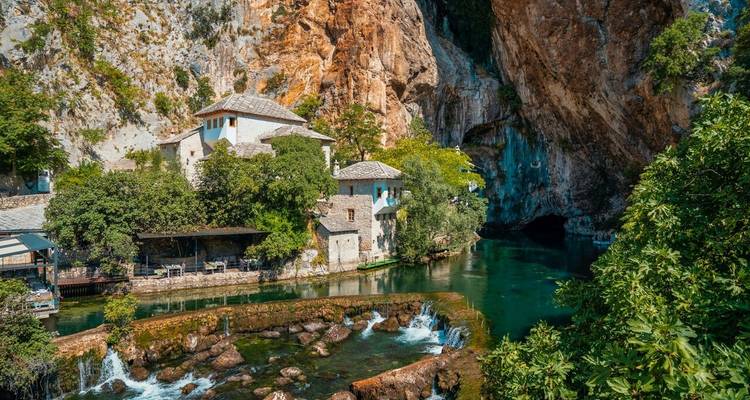
Balkan Tour: 5 Countries in 7 Days Bosnia - Croatia - Montenegro - Albania - N. Macedonia
7 Days • Experience
From EUR2,450
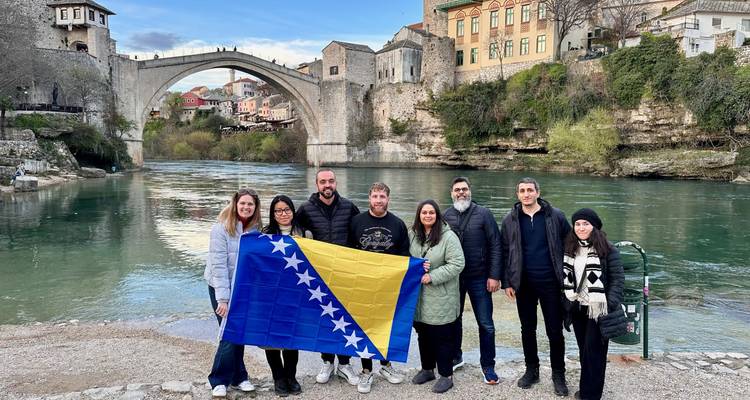
Three Days in Bosnia and Herzegovina
3 Days • Experience
From EUR375
Map View
Explore Banja Luka on the map
Banja Luka
The map is centred on Banja Luka.
Why travel to Banja Luka?
Banja Luka is ideal for cultural explorers, nature lovers and families seeking a relaxed pace. The city’s historic fortress, riverfront promenades and nearby waterfalls provide outdoor adventure, while museums, theaters and traditional restaurants showcase local heritage. Business travelers also appreciate its well‑connected airport and conference facilities, making the city a versatile base for a range of trip styles.
Banja Luka travel blogs
Stories and guides connected to Banja Luka and the surrounding destination.
What Should You Know Before Visiting Bosnia and Herzegovina
You should know that Bosnia and Herzegovina is a compact, culturally rich country with easy border access, moderate pric...
Is Bosnia and Herzegovina Safe for Travellers? What You Need to Know
Yes, Bosnia and Herzegovina is considered safe for most travellers. Crime rates in major cities and popular sites are lo...
What are the hidden gems of Bosnia and Herzegovina? Discover them now
Bosnia and Herzegovina’s hidden gems include the turquoise Kravice waterfalls, the Ottoman‑era town of Počitelj, the alp...
What is a good itinerary for Bosnia and Herzegovina? 8‑Day Overview
A good itinerary spans eight to ten days, beginning in Sarajevo, then moving to Mostar, the waterfalls and historic town...
What is the best time to visit Bosnia and Herzegovina?
The best time to visit Bosnia and Herzegovina is late spring (May‑June) and early autumn (September‑October). During the...
How many days are enough to visit Bosnia and Herzegovina? – Planner
A week—seven to ten days—is generally enough to experience Bosnia and Herzegovina’s main highlights without feeling rush...
More in Bosnia and Herzegovina
Browse more city pages across Bosnia and Herzegovina.