Bosnia and Herzegovina Coast

Bosnia and Herzegovina Travel Guide

Key facts and tips for visiting Bosnia and Herzegovina.

5 Tours
6 Guides
20 Cities
payments

Currency

Convertible Mark (BAM)

translate

Language

Bosnian, Croatian, Serbian

groups

Population

≈3.3 million

passport

Visa

Visa‑free up to 90 days for many countries; others need a visa

security

Safety

Generally safe for tourists with standard precautions

savings

Travel Cost

Moderate; around $50‑80 per day

wb_sunny

Best Visit

May – September (spring to early autumn)

Bosnia and Herzegovina at a glance

Bosnia and Herzegovina, home to roughly 3.3 million people, uses the Convertible Mark and operates on Central European Time. The country’s official languages are Bosnian, Croatian and Serbian, and it welcomes most visitors visa‑free for up to 90 days. With a continental climate moderated by the Adriatic, the nation offers a safe environment for travelers who follow normal precautions.

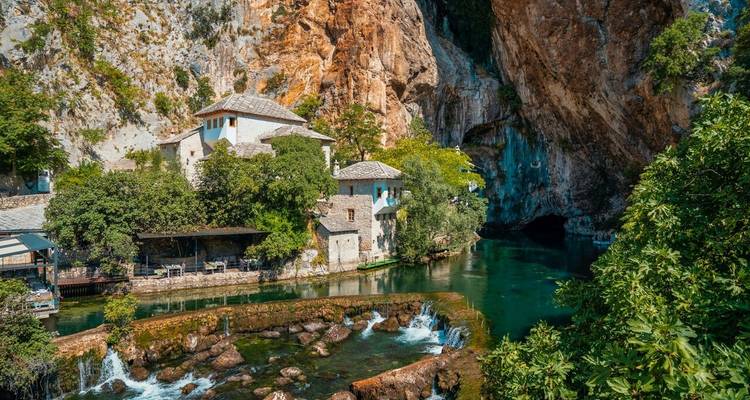
Bosnia and Herzegovina view Bosnia and Herzegovina view

Map View

Explore Bosnia and Herzegovina on the map

Centered on the country’s main cities and scaled to keep the full destination in view.

place 20 Attractions public Google Maps style
search
Search area
Bosnia and Herzegovina
Country location
Bosnia and Herzegovina
Centred from 20 city points.
open_in_new Open in Google Maps

Bosnia and Herzegovina travel overview

The country is well suited for cultural and historical trips, especially from May to September when weather is warm and days are long. Moderate daily costs make it accessible for budget‑conscious travelers, while cities like Sarajevo, Mostar and Banja Luka provide rich heritage sites, vibrant markets, and scenic river valleys ideal for exploration.

Bosnia and Herzegovina view Bosnia and Herzegovina view

Essential Travel Tips

Book Early

Popular routes and hotels fill quickly in peak season.

Mix Transport

Use trains between cities and local transit inside centers.

Stay Central

Base yourself near a walkable area to save time.

Cash Ready

Some small vendors still prefer cash for smaller purchases.

Pack Smart

Comfortable shoes matter more than anything else.

Frequently Asked Questions

What is the best time of year to visit Bosnia and Herzegovina? expand_more
The optimal visiting period is from May through September, when the climate is warm, daylight hours are long, and most outdoor attractions are fully accessible. This window aligns with the country’s continental‑Mediterranean weather patterns, offering comfortable temperatures for city tours and nature activities.
Do I need a visa to travel to Bosnia and Herzegovina? expand_more
Travelers from many countries, including most EU members, the United States, Canada and Australia, can enter Bosnia and Herzegovina visa‑free for up to 90 days. Citizens of nations without this agreement must obtain a visa prior to arrival. Always verify the latest entry requirements based on your nationality.
How much does a typical day cost for a traveler in Bosnia and Herzegovina? expand_more
A moderate budget of roughly $50 to $80 per day covers accommodation, meals, local transportation and entrance fees to major attractions. Costs can be lower in smaller towns and higher in popular city centers, but the overall expense level remains affordable compared with many Western European destinations.
Which currency is used and can I rely on credit cards? expand_more
Bosnia and Herzegovina uses the Convertible Mark (BAM). Credit and debit cards are widely accepted in hotels, restaurants and larger shops in cities such as Sarajevo, Mostar and Banja Luka. In rural areas cash is preferred, so it’s useful to carry some local currency for smaller purchases.
What languages are spoken and will English be understood? expand_more
The official languages are Bosnian, Croatian and Serbian. English is commonly spoken in tourism‑related businesses, hotels and among younger residents, especially in major cities. While you can manage basic interactions in English, learning a few local phrases can enhance communication in less‑touristy areas.
What are the must‑see cities for a first‑time visitor? expand_more
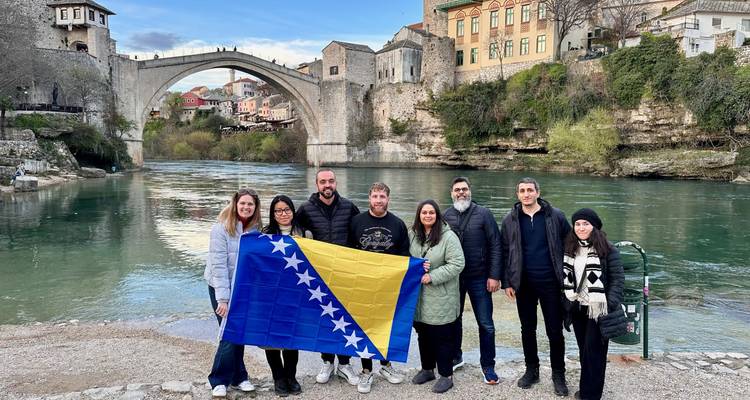
Key cities include Sarajevo, known for its historic Baščaršija district; Mostar, famous for the Stari Most bridge; Banja Luka, the administrative centre of Republika Srpska; as well as Tuzla, Zenica and smaller towns like Bihać and Brčko. Each offers distinct cultural, architectural and natural attractions.
What type of climate can I expect during the summer months? expand_more
Summers are warm and relatively dry, reflecting a continental climate with Mediterranean influence. Average daytime temperatures range from 25 °C to 30 °C (77 °F‑86 °F) in the lowlands, while mountainous regions stay cooler, providing comfortable conditions for hiking and outdoor activities.
Is Bosnia and Herzegovina safe for solo travelers? expand_more
The country is generally safe for solo travelers, with crime rates comparable to other European nations. Standard precautions—such as keeping valuables secure, staying aware of surroundings and avoiding isolated areas after dark—help ensure a trouble‑free experience.
What are common ways to travel between major cities? expand_more
Inter‑city buses form the backbone of public transport, offering frequent connections between Sarajevo, Mostar, Banja Luka and other hubs. Rail services are available on limited routes, while car rentals provide flexibility for exploring rural landscapes and national parks.
Are there direct international flights to Sarajevo? expand_more
Sarajevo International Airport receives direct flights from several European capitals, including Vienna, Istanbul, Frankfurt and Zurich. These connections make it a convenient entry point for travelers arriving from major European and Middle Eastern cities.