 Lilshira


Discover Brno
Brno blends historic charm with vibrant culture in the heart of Czechia.
24°C / 75°F
Sunny in Brno
Peak Season
High visitor demand
Brno at a glance
Brno, the Czech Republic’s second‑largest city, is home to roughly 380,000 residents. Situated in a continental climate zone, the city experiences warm summers and cold winters with moderate rainfall year‑round. Visitors find the period from May through September most pleasant, as daylight is abundant and temperatures are comfortable for exploring the city’s streets and landmarks.

Things to Do in Brno
Curated experiences led by local experts.
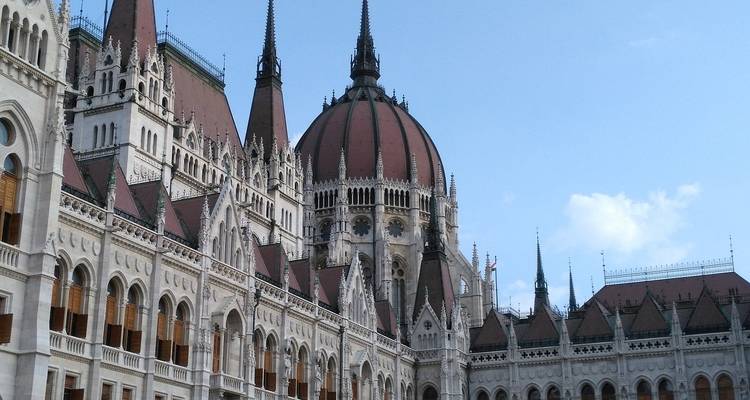
Best of Eastern Europe (Prague, Vienna and Budapest)
8 Days • Experience
From EUR1,133

8-Day Eastern Whispers
8 Days • Experience
From EUR1,528
8-Day From Prague to Paris
8 Days • Experience
From EUR1,752
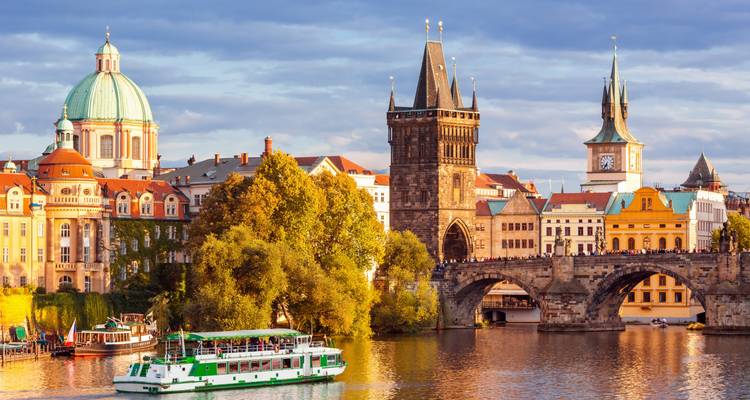
The Legendary Danube with 2 Nights in Prague 2023
10 Days • Experience
Map View
Explore Brno on the map
Brno
The map is centred on Brno.
Why travel to Brno?
Brno suits a variety of trips: cultural explorers can wander its historic squares and museums; families enjoy spacious parks and interactive exhibits; business travelers benefit from modern conference facilities and easy rail links to Prague and Vienna; and food lovers appreciate the growing scene of traditional Czech eateries and craft breweries. The city’s mix of heritage and contemporary life makes it adaptable to many travel styles.
Brno travel blogs
Stories and guides connected to Brno and the surrounding destination.
What is a good itinerary for Czechia? A 5‑day travel plan
A good itinerary for Czechia is a five‑day route that starts with two days in Prague, a day exploring the fairy‑tale tow...
What should you know before visiting Czechia? A concise country guide
Czechia is best explored in 4‑7 days, with spring or early autumn offering mild weather and fewer crowds. Aim for a mid‑...
What are the hidden gems of Czechia? A Traveller's Guide
The hidden gems of Czechia are its quiet towns, untouched nature parks, and lesser‑known historic sites that lie beyond...
Is Czechia Safe for Travellers? What You Need to Know
Yes, Czechia is considered safe for most travellers. Crime rates are low, especially in tourist hubs like Prague’s Old T...
What is the Best Time to Visit Czechia? Find the Ideal Season
The best time to visit Czechia is late spring (May‑June) and early autumn (September‑early October). These windows provi...
How many days are enough to visit Czechia? Plan your perfect trip
A week—about five to seven days—is generally enough to experience Czechia’s highlights without rushing. This timeframe l...
More in Czechia
Browse more city pages across Czechia.