Czechia Coast

Discover Czechia

Historic towns, vibrant culture, and easy travel across Central Europe.

33 Tours
6 Guides
20 Cities
payments

Currency

Czech koruna (CZK)

translate

Language

Czech

groups

Population

About 10.7 million

passport

Visa

Schengen visa‑free for EU/EEA and many nationals (90 days); otherwise Schengen visa required

security

Safety

Generally safe; standard precautions advised in tourist areas

savings

Travel Cost

Moderate – budget to mid‑range pricing

wb_sunny

Best Visit

May to September for pleasant weather

Czechia at a glance

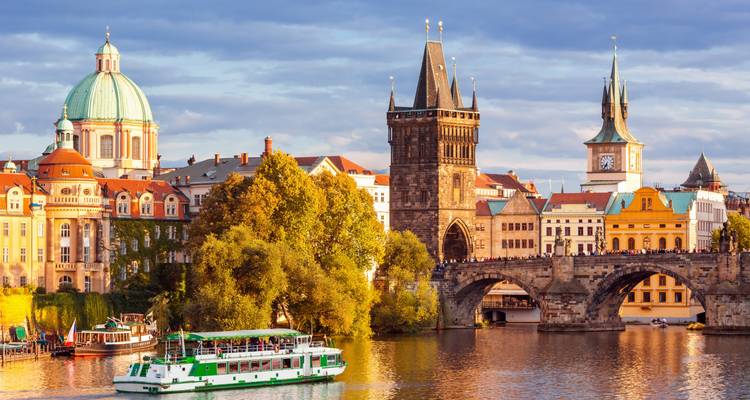
Czechia blends historic architecture, vibrant cultural scenes, and a central European location that makes it easy to explore. With 20 notable cities—including Prague, Brno, and Ostrava—travelers can experience everything from medieval squares to modern art. The country enjoys a temperate continental climate, offering warm springs and summers, and it is regarded as safe for visitors. Moderate travel costs and a straightforward visa regime further enhance its appeal.

Czechia view Czechia view

Map View

Explore Czechia on the map

Centered on the country’s main cities and scaled to keep the full destination in view.

place 20 Attractions public Google Maps style
search
Search area
Czechia
Country location
Czechia
Centred from 20 city points.
open_in_new Open in Google Maps

Czechia travel overview

Czechia suits a range of trips, especially cultural city tours and historic explorations during the May‑September window when weather is mild. Visitors can wander UNESCO‑listed Prague, sample regional cuisine in Brno, or explore industrial heritage in Ostrava. The moderate climate supports outdoor cafés and river walks, while the safe environment and affordable pricing make both short breaks and extended stays comfortable.

Czechia view Czechia view

Essential Travel Tips

Book Early

Popular routes and hotels fill quickly in peak season.

Mix Transport

Use trains between cities and local transit inside centers.

Stay Central

Base yourself near a walkable area to save time.

Cash Ready

Some small vendors still prefer cash for smaller purchases.

Pack Smart

Comfortable shoes matter more than anything else.

Frequently Asked Questions

What visa do I need to travel to Czechia? expand_more
Czechia is part of the Schengen Area. Citizens of the EU/EEA, the United States, Canada, Australia, and many other countries can enter visa‑free for up to 90 days within a 180‑day period. Travelers who are not visa‑exempt must obtain a short‑stay Schengen visa before arrival, which also permits movement across all Schengen states, including Czechia.
How long can I stay visa‑free in Czechia? expand_more
Visa‑exempt visitors may stay in Czechia for up to 90 days within any 180‑day period. This limit applies to the entire Schengen Area, so the total time spent across all Schengen countries must not exceed 90 days. Extensions are possible only under special circumstances and require a separate permit.
When is the best time of year to visit Czechia? expand_more
The most favorable period to travel is from May through September. During these months the weather is mild to warm, daylight hours are long, and many outdoor festivals and cultural events take place. Spring offers blooming gardens, while summer provides comfortable temperatures for city walking and river activities.
What is the typical travel budget for a visit to Czechia? expand_more
Czechia is considered moderate in cost. Budget travelers can manage daily expenses of around €40‑€60 by staying in hostels, using public transport, and eating at casual eateries. Mid‑range visitors often spend €80‑€120 per day for three‑star hotels, restaurant meals, and occasional guided tours. Costs can rise in major tourist hubs like Prague.
Is Czechia considered a safe destination for tourists? expand_more
Overall, Czechia is regarded as safe for travelers. Crime rates are low, and violent incidents are rare. The most common issue is petty theft, especially in crowded areas such as Prague’s Old Town and public transport. Keeping valuables secure and staying aware of surroundings helps maintain a trouble‑free visit.
Which cities should I include in a Czechia itinerary? expand_more
Key cities to consider are Prague, the capital with its historic core; Brno, known for modernist architecture and a lively student scene; Ostrava, an industrial hub with cultural festivals; Plzeň, famous for its brewing tradition; Liberec and České Budějovice, both offering charming old towns and nearby nature. Including several of these provides a balanced view of the country.
What climate can I expect during a summer trip to Czechia? expand_more
Summers in Czechia are temperate and pleasant, with average daytime temperatures ranging from 20 °C to 25 °C (68 °F‑77 °F). Heat waves occasionally push temperatures above 30 °C, but they are short‑lived. Rainfall is moderate, so occasional showers are common, making layered clothing a practical choice.
How do I exchange money and what is the local currency? expand_more
The local currency is the Czech koruna (CZK). Money can be exchanged at banks, currency exchange offices, and most hotels. ATMs are widely available in cities and dispense korunas directly. Credit and debit cards are accepted at most larger establishments, but it’s useful to carry some cash for smaller shops or markets.
What language is spoken in Czechia and will English be understood? expand_more
Czech is the official language throughout the country. In major tourist areas such as Prague, Brno, and popular museums, many staff members speak English at a functional level. Signage in airports, train stations, and larger hotels is often bilingual, but learning a few basic Czech phrases can enhance interactions.
What time zone does Czechia use? expand_more
Czechia operates on Central European Time (CET), which is UTC+1 during standard time. From the last Sunday in March to the last Sunday in October, the country observes Central European Summer Time (CEST), shifting to UTC+2.