 Lilshira


Discover Zlín, Czechia
A functionalist‑style city in eastern Czechia known for design heritage and cultural attractions.
24°C / 75°F
Sunny in Zlín
Peak Season
High visitor demand
Zlín at a glance
Zlín is a city of roughly 75,000 residents situated in the eastern part of Czechia. It experiences a temperate continental climate with warm summers and cold winters. The most favorable period for visitors is late spring through early autumn, when temperatures are mild and outdoor activities are comfortable.

Things to Do in Zlín
Curated experiences led by local experts.
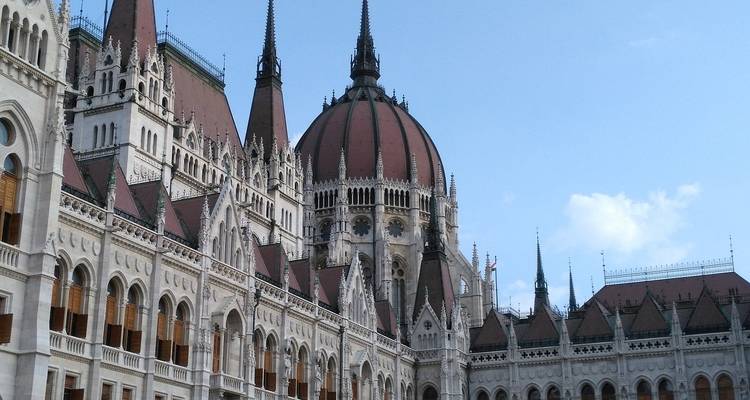
Best of Eastern Europe (Prague, Vienna and Budapest)
8 Days • Experience
From EUR1,133

8-Day Eastern Whispers
8 Days • Experience
From EUR1,528

8-Day From Prague to Paris
8 Days • Experience
From EUR1,752
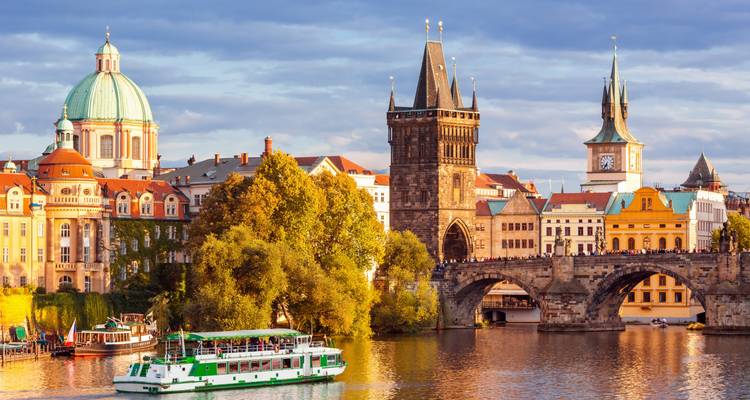
The Legendary Danube with 2 Nights in Prague 2023
10 Days • Experience
Map View
Explore Zlín on the map
Zlín
The map is centred on Zlín.
Why travel to Zlín?
The city is ideal for travelers interested in design, architecture and cultural history, as well as families seeking museums and nearby wildlife parks. Its functionalist heritage, museums, and easy access to regional transport make Zlín a suitable base for short cultural trips or day‑excursions to surrounding Moravian towns.
Zlín travel blogs
Stories and guides connected to Zlín and the surrounding destination.
What should you know before visiting Czechia? A concise country guide
Czechia is best explored in 4‑7 days, with spring or early autumn offering mild weather and fewer crowds. Aim for a mid‑...
What are the hidden gems of Czechia? A Traveller's Guide
The hidden gems of Czechia are its quiet towns, untouched nature parks, and lesser‑known historic sites that lie beyond...
Is Czechia Safe for Travellers? What You Need to Know
Yes, Czechia is considered safe for most travellers. Crime rates are low, especially in tourist hubs like Prague’s Old T...
What is a good itinerary for Czechia? A 5‑day travel plan
A good itinerary for Czechia is a five‑day route that starts with two days in Prague, a day exploring the fairy‑tale tow...
What is the Best Time to Visit Czechia? Find the Ideal Season
The best time to visit Czechia is late spring (May‑June) and early autumn (September‑early October). These windows provi...
How many days are enough to visit Czechia? Plan your perfect trip
A week—about five to seven days—is generally enough to experience Czechia’s highlights without rushing. This timeframe l...
More in Czechia
Browse more city pages across Czechia.