 Lilshira


Discover Busan, South Korea
A vibrant coastal city known for beaches, fresh seafood and colorful cultural districts.
24°C / 75°F
Sunny in Busan
Peak Season
High visitor demand
Busan at a glance
Busan, South Korea’s second‑largest city, sits on the southeastern coast and serves as a major port and cultural gateway. The city blends modern skyscrapers with traditional markets, offers expansive beaches such as Haeundae, and features iconic spots like Jagalchi Fish Market and the hillside Gamcheon Culture Village. Its maritime heritage and lively urban scene make it a distinct destination within the country.

Things to Do in Busan
Curated experiences led by local experts.

Exploring South Korea
12 Days • Experience
From EUR1,890

Japan & South Korea Dreams
15 Days • Experience
From EUR4,095
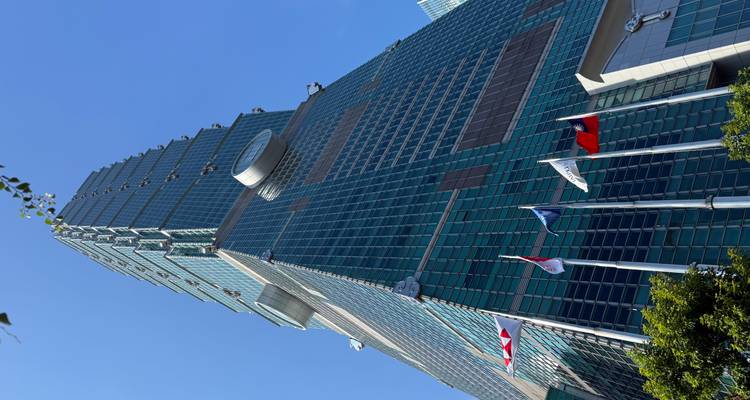
Discover Korea & Taiwan
15 Days • Experience
From EUR3,626

【South Korea】10 Days Scenic South Korea with Hanbok Royal Cuisine Experience Tour Packages
10 Days • Experience
From EUR2,551
Map View
Explore Busan on the map
Busan
The map is centred on Busan.
Why travel to Busan?
Busan suits a range of trips: beach‑focused getaways benefit from its long sandy shores; food lovers can explore bustling seafood markets and street‑food alleys; cultural travelers enjoy museums, temples and colorful neighborhoods; families appreciate the accessible parks and aquariums; and festival‑goers can time visits around events like the Busan International Film Festival. The city’s mix of nature, cuisine and culture supports diverse travel styles.
Busan travel blogs
Stories and guides connected to Busan and the surrounding destination.
What is a good itinerary for South Korea? A 7‑day travel plan
A good itinerary for South Korea spans seven days, combining the capital Seoul, the coastal city Busan, and the historic...
What Should You Know Before Visiting South Korea?
You should know the visa requirements, transportation options, seasonal weather, budgeting ranges, and basic etiquette b...
What are the hidden gems of South Korea? Explore the unseen
South Korea’s hidden gems include Boseong’s rolling tea plantations, Jeju’s Seongsan Sunrise Peak, Andong’s Hahoe Folk V...
Is South Korea Safe for Travellers? A Complete Safety Guide
Yes, South Korea is generally safe for travellers. Crime is low, emergency services are efficient, and public transport...
What is the best time to visit South Korea? Your Seasonal Guide
The best time to visit South Korea is from late April to early June, and again from September to early November. These w...
How many days are enough to visit South Korea? Find the ideal length
A ten‑day itinerary hits the sweet spot for most visitors. Most seasoned travellers recommend four days in the capital,...
More in South Korea
Browse more city pages across South Korea.
