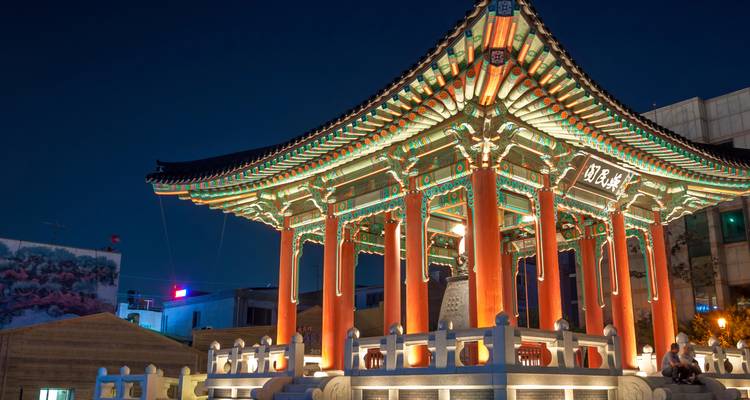
South Korea Coast

Discover South Korea

A safe, modern destination with rich culture, vibrant cities and diverse seasons.

47 Tours
6 Guides
5 Cities
payments

Currency

South Korean Won (KRW)

translate

Language

Korean

groups

Population

≈51 million

passport

Visa

Visa‑free up to 90 days for many nationals; others require a visa

security

Safety

Low crime, generally safe for travelers

savings

Travel Cost

Moderate to high

wb_sunny

Best Visit

Spring (April‑May) & Autumn (Sept‑Oct)

South Korea at a glance

South Korea blends cutting‑edge urban life with historic sites across 20 major cities, including Seoul, Busan, and Incheon. Visitors benefit from a stable safety environment, a clear Korean language landscape, and a currency that supports a range of travel budgets. The country’s temperate climate offers comfortable conditions during its recommended spring and autumn windows, making it a compelling choice for diverse travel experiences.

South Korea view South Korea view

Map View

Explore South Korea on the map

Centered on the country’s main cities and scaled to keep the full destination in view.

place 5 Attractions public Google Maps style
search
Search area
South Korea
Country location
South Korea
Centred from 5 city points.
open_in_new Open in Google Maps

South Korea travel overview

The country suits cultural city tours, culinary explorations, and seasonal nature trips. With visa‑free access for many travelers and a moderate to high cost range, visitors can comfortably plan stays in well‑connected hubs like Seoul and Busan. The safe atmosphere and clear language context support solo and group travelers alike, while the spring and autumn periods provide pleasant weather for sightseeing and outdoor activities.

South Korea view South Korea view

Essential Travel Tips

Book Early

Popular routes and hotels fill quickly in peak season.

Mix Transport

Use trains between cities and local transit inside centers.

Stay Central

Base yourself near a walkable area to save time.

Cash Ready

Some small vendors still prefer cash for smaller purchases.

Pack Smart

Comfortable shoes matter more than anything else.

Frequently Asked Questions

What are the entry visa requirements for South Korea? expand_more
Travelers from many countries can enter South Korea without a visa for stays up to 90 days. Citizens of nations not covered by the visa‑free agreement must obtain a visa prior to arrival. Requirements vary by nationality, so checking the latest consular guidelines before travel is recommended.
How long can I stay visa‑free in South Korea? expand_more
Most passport holders from visa‑exempt countries are allowed to remain in South Korea for up to 90 days without a visa. The stay period is counted from the date of entry and cannot be extended without applying for a different visa type.
What is the local currency and typical exchange considerations? expand_more
South Korea uses the South Korean Won (KRW). Exchange services are widely available at airports, banks, and hotels. Credit cards are accepted in most urban establishments, but smaller vendors may prefer cash, so carrying some won is advisable for everyday purchases.
What is the time zone in South Korea? expand_more
South Korea operates on Korea Standard Time, which is UTC+9 year‑round. The country does not observe daylight‑saving time, so the offset remains constant throughout the year.
What is the average daily travel cost for a visitor? expand_more
Daily expenses in South Korea are considered moderate to high, covering accommodation, meals, transportation and entry fees. Budget travelers can reduce costs by using public transit and eating at local eateries, while mid‑range visitors typically spend more on hotels and dining.
Which cities are most visited by tourists? expand_more
The most frequented destinations include Seoul, Busan, Incheon, Daegu, Daejeon, Gwangju, Suwon, Ulsan, Goyang‑si, Changwon, Seongnam‑si and Cheongju‑si. These 20 cities offer a mix of cultural landmarks, modern infrastructure and regional attractions.
What climate can I expect during the recommended travel months? expand_more
Spring (April‑May) brings mild temperatures and blooming foliage, while autumn (September‑October) offers cool, dry weather and colorful leaves. Both periods avoid the hot, humid summer and the cold winter, providing comfortable conditions for outdoor activities.
When is the optimal period to visit South Korea for pleasant weather? expand_more
The optimal visiting windows are spring, from April to May, and autumn, from September to October. These months typically feature moderate temperatures, lower precipitation and clear skies, enhancing sightseeing and outdoor experiences.
What safety considerations should travelers keep in mind? expand_more
South Korea maintains low crime rates and a generally safe environment for tourists. Standard precautions such as securing personal belongings, staying aware in crowded areas and following local regulations help ensure a trouble‑free visit.
How is public transportation structured across major cities? expand_more
Major South Korean cities operate extensive public‑transport networks that include subways, buses and regional trains. Services are frequent, punctual and integrated with fare cards, allowing easy movement between attractions and neighboring areas.