 Lilshira


Explore Cusco, Peru
Discover the historic heart of the Inca Empire and its surrounding Andean landscapes.
24°C / 75°F
Sunny in Cusco
Peak Season
High visitor demand
Cusco at a glance
Cusco, the former capital of the Inca Empire, sits at about 3,400 m (11,200 ft) in the Peruvian Andes and has an estimated population of around 430,000. Its historic center is a UNESCO World Heritage Site, where stone Inca foundations blend with Spanish colonial architecture. The city serves as the gateway to iconic ruins, vibrant markets, and high‑altitude natural scenery, making it a focal point for cultural and adventure travelers alike.

Things to Do in Cusco
Curated experiences led by local experts.

Peru Highlights - 8 Days With Local Flights (Lima To Cusco And Cusco To Lima)
8 Days • Experience
From EUR2,606

Cultural Cusco - Machu Picchu and Rainbow Mountain
5 Days • Experience
From EUR1,977

Crossing the Andes and the Amazon
16 Days • Experience
From EUR5,124
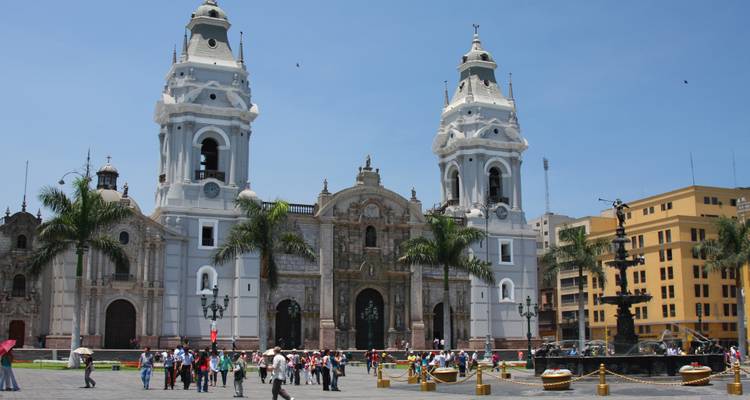
Latin America Wonders: Machu Picchu, Rio & Chichén Itzá
13 Days • Experience
From EUR4,223
Map View
Explore Cusco on the map
Cusco
The map is centred on Cusco.
Why travel to Cusco?
Cusco is ideal for travelers seeking immersive cultural experiences, such as exploring ancient citadels, attending traditional festivals, and sampling Andean cuisine. The surrounding Sacred Valley and nearby mountain treks cater to adventure seekers, while the city's museums and markets appeal to history enthusiasts and food lovers. Whether you have a few days for a city break or a week for extended trekking, Cusco offers a versatile base for diverse itineraries.
Cusco travel blogs
Stories and guides connected to Cusco and the surrounding destination.
What are the hidden gems of Peru? Explore secret treasures beyond the crowds
Peru’s hidden gems include remote high‑altitude ruins, secluded cloud‑forest waterfalls, and quiet desert oases that mos...
What is a good itinerary for Peru? A 10‑Day Classic Route
A solid 10‑day itinerary lets you experience Peru’s iconic highlands, Amazon fringe, and coastal highlights without rush...
How many days are enough to visit Peru? Planning your perfect trip
A 10‑14‑day itinerary is generally enough to visit Peru comfortably. Ten days lets you hit Lima, Cusco, the Sacred Valle...
What Should You Know Before Visiting Peru? A Quick Guide
You should prepare for altitude, pack for varied climate, respect local customs, and plan transport. Most travelers spen...
Is Peru safe for travellers? A practical safety guide
Yes, Peru is safe for most travellers who take basic precautions. The country’s major tourist routes—from Lima’s histori...
What is the best time to visit Peru? A complete seasonal guide
The best time to visit Peru is the dry season from May through October. During these months rain is scarce, skies are cl...
More in Peru
Browse more city pages across Peru.