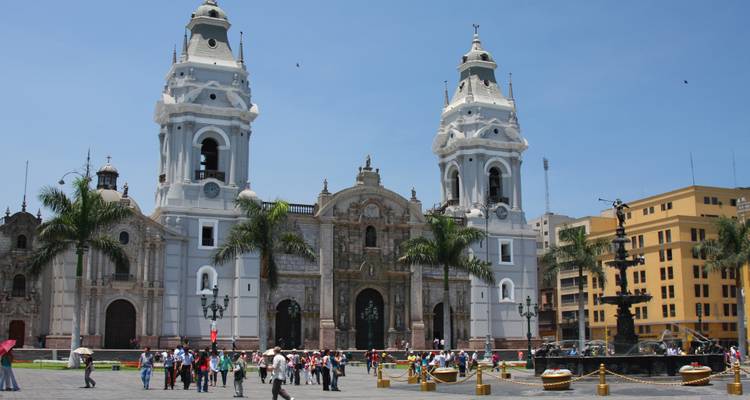
Peru Coast

Discover Peru

From the Andes to the Amazon, Peru offers rich culture and varied adventures.

55 Tours
6 Guides
5 Cities
payments

Currency

Peruvian Sol (PEN)

translate

Language

Spanish (official)

groups

Population

≈ 33 million

passport

Visa

Visa‑free for many tourists up to 90 days; other nationals may require a visa

security

Safety

Tourist areas are generally safe; petty crime occurs, stay alert

savings

Travel Cost

Moderate; budget travelers $30‑$50 /day, mid‑range $70‑$120 /day

wb_sunny

Best Visit

May to October (dry season) for highlands and iconic sites

Peru at a glance

Peru blends dramatic geography with vibrant culture. Visitors can explore coastal hubs like Lima, historic highland centers such as Cusco and Arequipa, and Amazon gateways like Iquitos. The country experiences varied climate zones—from desert coast to tropical rainforest—making the May‑October dry season ideal for most travel. With Spanish as the official language, the Peruvian Sol as currency, and generally safe tourist zones, Peru offers a balanced mix of affordability and rich experiences.

Peru view Peru view

Map View

Explore Peru on the map

Centered on the country’s main cities and scaled to keep the full destination in view.

place 5 Attractions public Google Maps style
search
Search area
Peru
Country location
Peru
Centred from 5 city points.
open_in_new Open in Google Maps

Peru travel overview

Peru suits travelers seeking cultural heritage, adventure, and natural diversity. The dry season supports trekking to Machu Picchu and exploring the Andes, while coastal cities provide culinary and urban experiences. The Amazon region offers rainforest tours for nature enthusiasts. Moderate travel costs allow both budget backpackers and comfort‑seeking tourists to plan itineraries that combine historic sites, mountain landscapes, and vibrant city life.

Peru view Peru view

Cities in Peru

Explore the main cities in Peru and open each one for more local details.

Essential Travel Tips

Book Early

Popular routes and hotels fill quickly in peak season.

Mix Transport

Use trains between cities and local transit inside centers.

Stay Central

Base yourself near a walkable area to save time.

Cash Ready

Some small vendors still prefer cash for smaller purchases.

Pack Smart

Comfortable shoes matter more than anything else.

Frequently Asked Questions

What is the best time of year to visit Peru? expand_more
The optimal period is May to October, when the highland and Andean regions experience dry weather, making trekking and visits to sites like Machu Picchu more comfortable. Coastal areas remain mild, and the reduced rainfall improves overall travel conditions across the country.
Do I need a visa to travel to Peru as a US or European tourist? expand_more
Citizens of the United States, Canada, the United Kingdom, and most European Union countries can enter Peru without a visa for stays up to 90 days. Travelers from other nations should check their specific visa requirements before departure.
How many days should I allocate to see Peru’s major cities? expand_more
A typical itinerary reserves 2‑3 days for Lima, 2 days for Arequipa, 3‑4 days for Cusco and the Sacred Valley, and additional time for coastal or Amazon destinations. Overall, 10‑14 days allow a balanced experience of urban, cultural, and natural attractions.
What climate variations should I prepare for when traveling across Peru? expand_more
Peru spans three main climate zones: a dry desert along the coast, temperate to cold conditions in the highlands, and hot, humid weather in the Amazon basin. Pack layered clothing, sun protection for the coast, warm layers for altitude, and rain gear for jungle excursions.
Which Peruvian cities are essential for a first‑time visitor? expand_more
First‑time travelers usually include Lima for its museums and cuisine, Cusco as the gateway to Machu Picchu, Arequipa for its colonial architecture, and Iquitos for Amazon experiences. Additional stops like Trujillo and Piura offer coastal culture and history.
What cultural sites are must‑see in Lima and Cusco? expand_more
In Lima, the historic centre, Larco Museum, and the coastal district of Miraflores showcase pre‑Columbian art and colonial heritage. Cusco offers the Plaza de Armas, Sacsayhuamán fortress, and the nearby Sacred Valley, all reflecting the legacy of the Inca Empire.
How safe are popular tourist areas such as Machu Picchu and the Sacred Valley? expand_more
These sites are generally safe with a visible police presence and organized tour operators. Petty theft can occur in crowded areas, so keep valuables secure, use reputable guides, and follow local advice to maintain personal safety.
What transportation options connect Lima with Cusco? expand_more
The most common link is a domestic flight of about 1 hour and 20 minutes, offered by several airlines. Long‑distance buses also run between the two cities, taking roughly 20‑22 hours, but flights are preferred for time‑sensitive itineraries.
Are there reliable bus services between coastal and highland cities? expand_more
Peru’s intercity bus network includes reputable companies that operate routes from Lima to Arequipa, Trujillo, and other highland destinations. Buses vary from standard to semi‑luxury, providing scheduled services with amenities such as reclining seats and onboard restrooms.
What currency should I carry and are credit cards widely accepted? expand_more
The Peruvian Sol (PEN) is the official currency. Credit cards are accepted in most hotels, restaurants, and larger stores in urban areas, but cash is advisable for markets, small towns, and rural services where card facilities may be limited.