 Lilshira


Discover El Oued, Algeria
A desert oasis known for its unique domed architecture and Saharan landscape.
24°C / 75°F
Sunny in El Oued
Peak Season
High visitor demand
El Oued at a glance
El Oued sits in the heart of the Algerian Sahara and is famed for its striking white‑washed domes that shade traditional homes and public buildings. The city’s oasis setting, palm groves and proximity to expansive sand dunes give it a distinctive character among Algerian destinations, offering visitors a glimpse of desert life blended with historic architecture.

Things to Do in El Oued
Curated experiences led by local experts.
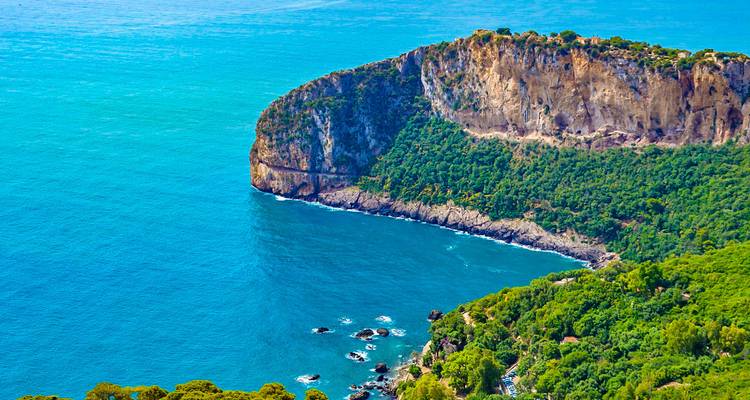
Tailor-Made 6-Day Best Algeria Tour, Daily Depart & Private Guide
6 Days • Experience
From EUR2,292
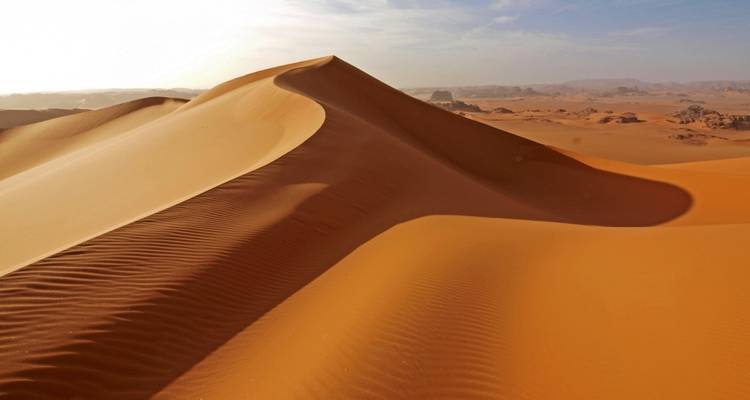
Trek through Tassili-n'Ajjer National Park
12 Days • Experience
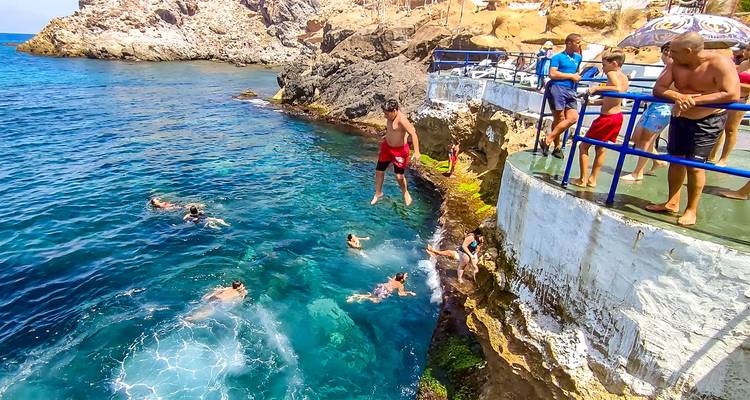
Private 11-Day Algeria Family Tour with 4-star Hotel, Daily Depart
11 Days • Experience
From EUR4,128

Tassili Desert Adventure, Algeria
8 Days • Experience
Map View
Explore El Oued on the map
El Oued
The map is centred on El Oued.
Why travel to El Oued?
El Oued is ideal for travelers seeking desert adventure, cultural immersion and relaxed oasis experiences. The city serves as a base for camel treks, dune excursions and visits to nearby historic sites, while its markets and eateries let guests sample authentic Saharan cuisine. Families, solo explorers and cultural tourists alike find a range of activities that suit a leisurely or active itinerary.
El Oued travel blogs
Stories and guides connected to El Oued and the surrounding destination.
What should you know before visiting Algeria? Complete country guide
Before you set foot in Algeria, know that you’ll need a visa (unless you’re from a visa‑free country), should respect mo...
What are the hidden gems of Algeria? Explore five secret treasures
Algeria hides a string of lesser‑known wonders such as Tassili n’Ajjer’s sandstone art, the UNESCO‑listed M’Zab Valley,...
Is Algeria safe for travellers? A practical safety guide
Algeria is safe for most travellers who stick to well‑known routes and respect local customs. The majority of visitors e...
What is a good itinerary for Algeria? A 10‑Day Travel Plan
A solid 10‑day itinerary for Algeria starts in Algiers, moves east to Constantine, then south through the High Plateaus...
What is the best time to visit Algeria? Find the ideal season
The best time to visit Algeria is during spring (April to June) or autumn (September to October). These months deliver c...
How many days are enough to visit Algeria? Find the perfect length
Ten days is generally enough to experience Algeria’s highlights without rushing. A ten‑day plan lets you explore Algiers...
More in Algeria
Browse more city pages across Algeria.