Algeria Coast

Algeria Travel Overview

Discover Algeria’s diverse landscapes, historic cities and practical travel details.

10 Tours
6 Guides
20 Cities
payments

Currency

Algerian dinar (DZD)

translate

Language

Arabic (official) and French widely spoken

groups

Population

Approximately 44 million

passport

Visa

Visa required for most travelers; no visa‑on‑arrival

security

Safety

Moderate; exercise standard precautions

savings

Travel Cost

Moderate; accommodation and meals reasonably priced

wb_sunny

Best Visit

Spring (Mar‑May) and autumn (Sep‑Nov)

Algeria at a glance

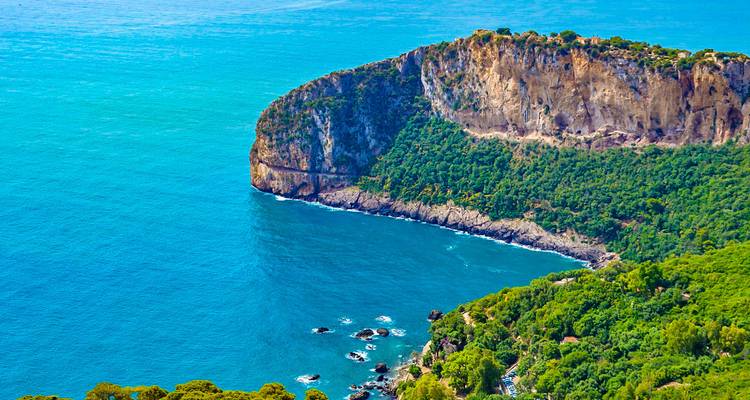
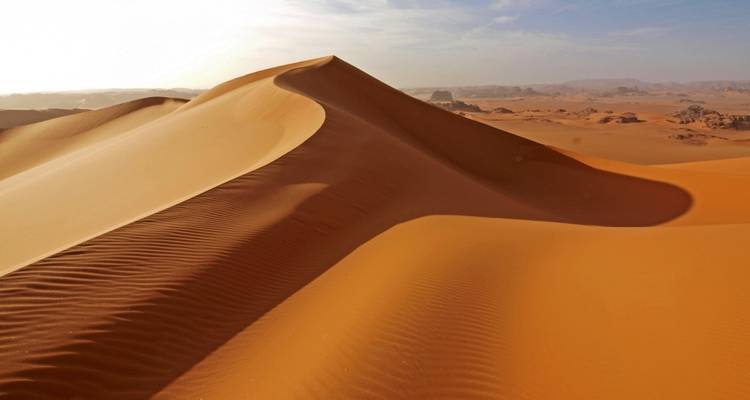
Algeria spans the Mediterranean coast and the Sahara desert, offering a mix of coastal climate and arid interior. The country features 20 notable cities, including Algiers, Oran, Constantine, Annaba, Blida, Batna, Bab Ezzouar, Djelfa, Sétif, Sidi Bel Abbes, Biskra and Tébessa. Its official language is Arabic, with French widely used, and the Algerian dinar serves as the currency. Visitors experience a moderate safety environment and a travel cost that is generally affordable for mid‑range budgets.

Algeria view Algeria view

Map View

Explore Algeria on the map

Centered on the country’s main cities and scaled to keep the full destination in view.

place 20 Attractions public Google Maps style
search
Search area
Algeria
Country location
Algeria
Centred from 20 city points.
open_in_new Open in Google Maps

Algeria travel overview

The country suits travelers seeking cultural exploration, coastal relaxation, and desert adventure. Historic urban centers such as Algiers, Oran and Constantine provide rich architectural heritage, while cities like Biskra act as gateways to Sahara experiences. The Mediterranean climate along the north makes spring and autumn ideal for outdoor activities, and the moderate travel costs support both city‑based itineraries and extended desert treks.

Algeria view Algeria view

Essential Travel Tips

Book Early

Popular routes and hotels fill quickly in peak season.

Mix Transport

Use trains between cities and local transit inside centers.

Stay Central

Base yourself near a walkable area to save time.

Cash Ready

Some small vendors still prefer cash for smaller purchases.

Pack Smart

Comfortable shoes matter more than anything else.

Frequently Asked Questions

What visa do I need to travel to Algeria? expand_more
Most travelers must obtain a visa before arrival; there is no visa‑on‑arrival option. Citizens of certain countries may be exempt for short stays. Applications are submitted through Algerian diplomatic missions and typically require a passport valid for at least six months, a completed form, and supporting documents.
When is the optimal period to visit Algeria? expand_more
The most favorable months are March through May and September through November, when temperatures are moderate across the coastal and interior regions. These periods avoid the extreme summer heat of the Sahara and the cooler winter months, providing comfortable conditions for sightseeing and outdoor activities.
What currency is used in Algeria and can I exchange money easily? expand_more
Algeria uses the Algerian dinar (DZD). Major banks, exchange bureaus, and some hotels in larger cities such as Algiers, Oran, and Constantine provide currency exchange services. ATMs are available in urban areas, but they may dispense dinars only, so travelers should plan for occasional cash needs.
How safe is it to travel throughout Algeria? expand_more
Overall safety is moderate. Urban centers and tourist sites are generally secure, but travelers should stay informed about local conditions, avoid demonstrations, and exercise caution in remote border regions. Keeping valuables concealed and following local advice helps reduce risk.
What is the typical travel cost for a mid‑range visitor to Algeria? expand_more
Algeria is considered moderately priced. Mid‑range hotels, meals at local restaurants, and public transportation are reasonably affordable compared with many European destinations. Budget travelers can find lower‑cost accommodations and street food, while higher‑end options are available in major cities.
Which cities are most recommended for a first visit to Algeria? expand_more
Key cities include Algiers, the capital with historic Casbah; Oran, known for its coastal promenade; Constantine, famous for dramatic bridges; Annaba, a port city; and Biskra, gateway to the Sahara. These locations showcase Algeria’s cultural diversity and geographic range.
How many major cities are listed as travel destinations in Algeria? expand_more
The dataset identifies 20 cities across the country, with 12 named explicitly such as Algiers, Oran, Constantine, Annaba, Blida, Batna, Bab Ezzouar, Djelfa, Sétif, Sidi Bel Abbes, Biskra, and Tébessa.
What climate can I expect when traveling from the north to the south of Algeria? expand_more
The northern coastal zone experiences a Mediterranean climate with mild, wet winters and warm, dry summers. Moving inland, the climate becomes semi‑arid, and the southern Sahara region is arid, characterized by very hot days and cool nights, especially in summer.
What languages are useful for communication while traveling in Algeria? expand_more
Arabic is the official language, and French is widely used in business, tourism, and daily interactions. Basic English is understood in hotels and among younger residents, but carrying a phrasebook for Arabic or French can facilitate communication.
Which airports serve international travelers arriving in Algeria? expand_more
The primary international gateway is Houari Boumediene Airport in Algiers. Additional international airports include Oran – Ahmed Ben Bella Airport and Constantine – Mohamed Boudiaf Airport, which handle flights from Europe and the Middle East.