 Lilshira


Explore Fianarantsoa, Madagascar
A historic highland city known for culture, education, and nearby natural parks.
24°C / 75°F
Sunny in Fianarantsoa
Peak Season
High visitor demand
Fianarantsoa at a glance
Fianarantsoa sits in Madagascar's central highlands and serves as a key cultural and academic hub. The city features historic architecture, a vibrant university community, and easy access to surrounding natural areas, making it a distinctive destination within the island nation.

Things to Do in Fianarantsoa
Curated experiences led by local experts.

The best of Madagascar Adventure 12Days/11Nights ( Comfort)
12 Days • Experience
From EUR3,222

18 days Madagascar Expedition group tour departure 2026 - 2027 (especially for senior traveler)
18 Days • Experience
From EUR3,919

Baobab Avenue & Kirindy Tours 04Days/03Nights (Comfort)
4 Days • Experience
From EUR1,156
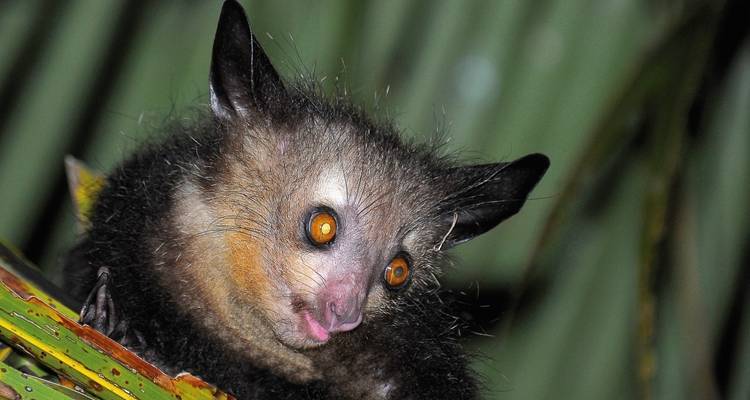
Lemur Safari and Chameleons
14 Days • Experience
Map View
Explore Fianarantsoa on the map
Fianarantsoa
The map is centred on Fianarantsoa.
Why travel to Fianarantsoa?
The city is well suited for cultural tours, university visits, and nature‑focused trips. Travelers can explore historic streets, sample local tea and wine, and use Fianarantsoa as a base for excursions to nearby parks such as Ranomafana and Andringitra.
Fianarantsoa travel blogs
Stories and guides connected to Fianarantsoa and the surrounding destination.
What Should You Know Before Visiting Madagascar – Essential Guide
You should know that Madagascar requires careful planning for health, transport, and seasonal weather to enjoy its uniqu...
What are the hidden gems of Madagascar? A traveler’s guide
Madagascar’s hidden gems include the surreal sandstone forest of Tsingy de Bemaraha, the pristine white sands of Île aux...
Is Madagascar Safe for Travellers? What You Need to Know
Madagascar is safe for most tourists who stick to well‑traveled routes, use reputable transport, and respect local custo...
What is a good itinerary for Madagascar? A 10‑Day Plan
A solid Madagascar itinerary spans 10 days, covering the iconic Avenue of the Baobabs, Andasibe’s lemur parks, the stunn...
What is the best time to visit Madagascar? Complete guide for travelers
The best time to visit Madagascar is from May through October, with April and early December also offering good conditio...
How many days are enough to visit Madagascar? Find the ideal trip length
Ten days is the sweet spot for most first‑time visitors to Madagascar. This timeframe lets you explore the iconic rainfo...
More in Madagascar
Browse more city pages across Madagascar.