Madagascar Coast

Discover Madagascar

Island of unique wildlife, diverse landscapes, and vibrant culture.

15 Tours
6 Guides
5 Cities
payments

Currency

Malagasy ariary (MGA)

translate

Language

Malagasy, French

groups

Population

Approximately 28 million

passport

Visa

Tourist visa required; available on arrival for many nationalities

security

Safety

Moderate; exercise usual precautions

savings

Travel Cost

Moderate; budget‑friendly options available

wb_sunny

Best Visit

April – November (dry season)

Madagascar at a glance

Madagascar, the world’s fourth‑largest island, offers a blend of Malagasy and French languages, a population near 28 million, and a unique tropical climate that shifts from a hot rainy season to a cooler dry period. The Malagasy ariary serves as the national currency. Visitors should note that a tourist visa is generally required, often obtainable on arrival, and that safety conditions are moderate, calling for standard travel vigilance.

Madagascar view Madagascar view

Map View

Explore Madagascar on the map

Centered on the country’s main cities and scaled to keep the full destination in view.

place 5 Attractions public Google Maps style
search
Search area
Madagascar
Country location
Madagascar
Centred from 5 city points.
open_in_new Open in Google Maps

Madagascar travel overview

The country’s climate and biodiversity make it ideal for nature‑focused trips, especially during the dry months of April to November when wildlife spotting is optimal. Travelers interested in cultural experiences will find the mix of Malagasy and French influences evident in cities like Antananarivo and Toamasina, while the moderate cost level supports a range of budget‑friendly itineraries.

Madagascar view Madagascar view

Essential Travel Tips

Book Early

Popular routes and hotels fill quickly in peak season.

Mix Transport

Use trains between cities and local transit inside centers.

Stay Central

Base yourself near a walkable area to save time.

Cash Ready

Some small vendors still prefer cash for smaller purchases.

Pack Smart

Comfortable shoes matter more than anything else.

Frequently Asked Questions

What documents are needed to obtain a tourist visa for Madagascar? expand_more
Most travelers must present a valid passport with at least six months remaining, a completed visa application form, and proof of onward travel. Some nationalities can receive a visa on arrival, while others may apply for an e‑visa before departure.
How much does a typical daily budget cost for travelers in Madagascar? expand_more
A moderate daily budget ranges from US$40 to US$70, covering basic accommodation, meals, local transport, and entry fees to parks. Costs can be lower for backpacker‑style travel or higher for more comfortable lodging and guided tours.
When is the best time of year to visit Madagascar for good weather? expand_more
The dry season from April through November offers the most reliable weather for travel, with lower rainfall and cooler temperatures that are favorable for wildlife viewing and outdoor activities.
Are there any health or vaccination requirements for entering Madagascar? expand_more
Travelers are advised to be up to date on routine vaccinations such as measles‑mumps‑rubella and diphtheria‑tetanus‑pertussis. Yellow fever vaccination is required if arriving from a country with risk of yellow fever transmission.
Can I use credit cards widely in Madagascar? expand_more
Credit cards are accepted in larger hotels, some restaurants, and major shops in cities like Antananarivo and Toamasina, but cash in ariary is needed for most transactions, especially in rural areas and smaller establishments.
What are the must‑see cities or regions for first‑time visitors? expand_more
Key destinations include Antananarivo for cultural sites, Toamasina for the main port and coastal vibe, Antsirabe for thermal springs, and the northern city of Antsiranana for beach scenery. Each offers distinct attractions that showcase the island’s diversity.
What wildlife experiences are unique to Madagascar? expand_more
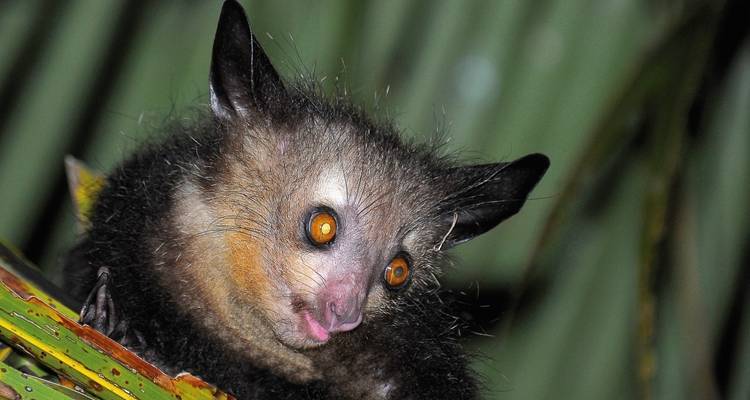
Madagascar is home to endemic species such as lemurs, chameleons, and the fossa. National parks like Andasibe‑Mantadia and Ranomafana provide guided walks where visitors can observe these animals in their natural habitats.
What cultural festivals are popular for tourists? expand_more
The annual Famadihana (turning of the bones) ceremony and the Alahamadiho Festival in the highlands attract visitors interested in traditional Malagasy customs and music.
How does the climate vary across the island? expand_more
The eastern coast experiences higher rainfall and humidity, while the western and southern regions are drier. Altitude also influences temperature, with cooler conditions in the central highlands compared to the coastal lowlands.
What are the main options for traveling between major cities? expand_more
Domestic flights connect Antananarivo with cities like Toamasina, Toliara, and Antsiranana. Long‑distance taxi‑brousse (shared minibuses) and private car hires are common overland alternatives, though travel times can be lengthy due to road conditions.