 Lilshira


Discover Gdańsk, Poland
A historic Baltic port city with rich maritime heritage and vibrant culture.
24°C / 75°F
Sunny in Gdańsk
Peak Season
High visitor demand
Gdańsk at a glance
Gdańsk is a major Polish city on the Baltic Sea with an estimated population of around 470,000 residents. The climate is temperate maritime, offering mild summers and cool, often cloudy winters with moderate rainfall throughout the year. Travelers find May through September most pleasant, as temperatures are comfortable and daylight hours are long, making outdoor exploration easier.

Things to Do in Gdańsk
Curated experiences led by local experts.

Winter High Tatras Hiking and Treetop Path
4 Days • Experience
From EUR630
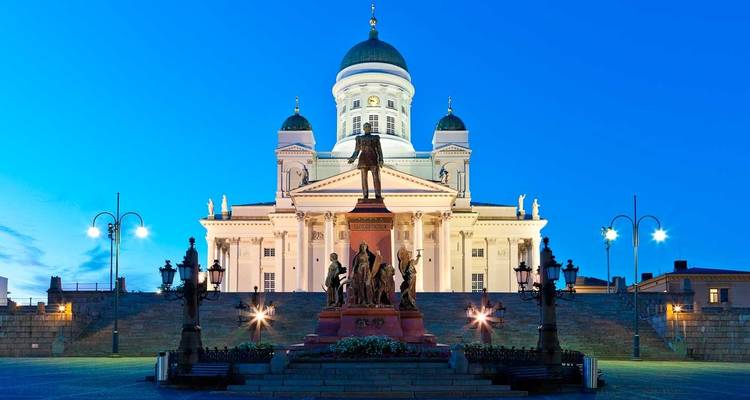
Fabulous Poland and Baltic Capitals ROT
15 Days • Experience
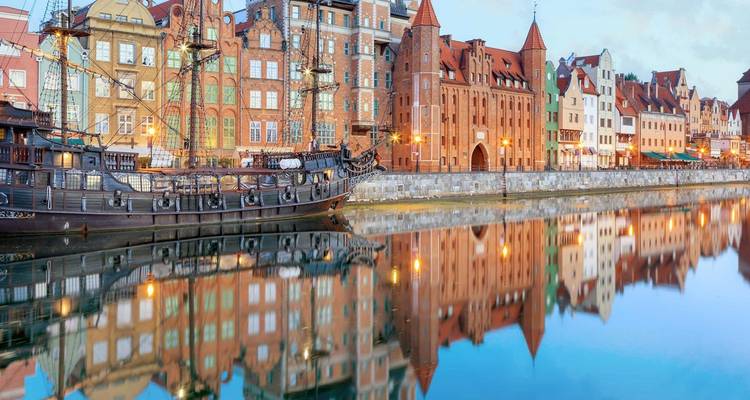
Best of Poland (End End Warsaw)
11 Days • Experience
From EUR2,367
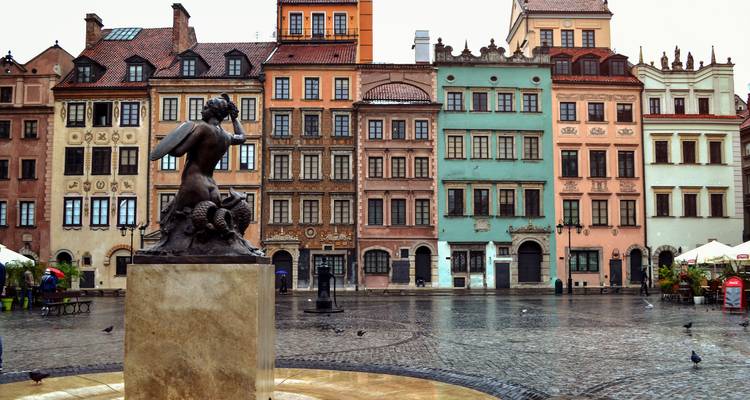
Highlights of Poland
10 Days • Experience
From EUR1,899
Map View
Explore Gdańsk on the map
Gdańsk
The map is centred on Gdańsk.
Why travel to Gdańsk?
The city suits a range of trips, from cultural and historical tours that explore its medieval Old Town and shipyard legacy to family-friendly outings along the waterfront and museums. Visitors interested in World War II history, Solidarity movement sites, or maritime experiences will find dedicated attractions, while food lovers can sample regional seafood and traditional Polish dishes in local eateries.
Gdańsk travel blogs
Stories and guides connected to Gdańsk and the surrounding destination.
Is Poland safe for travellers? Everything you need to know
Yes, Poland is safe for travellers, ranking among the lower‑crime destinations in Europe. Most visits involve no inciden...
What is a good itinerary for Poland? A 10‑14‑Day Guide
A good itinerary for Poland runs 10‑14 days, letting you explore Warsaw’s modern‑historic blend, Kraków’s medieval charm...
What Should You Know Before Visiting Poland – Complete Country Guide
Poland welcomes visitors with a mix of historic cities, diverse landscapes and affordable comforts, so plan for at least...
What are the hidden gems of Poland? A Traveler’s Guide
Poland’s hidden gems span quiet mountain villages, untouched lakes, and secluded castles that lie beyond the main touris...
What is the best time to visit Poland? Find the ideal months
The best time to visit Poland is late spring (mid‑May to early June) and early autumn (mid‑September to early October)....
How many days are enough to visit Poland? A practical 7‑10 day itinerary
A week, or roughly 7‑10 days, is enough to experience Poland’s main highlights without feeling rushed. This timeframe le...
More in Poland
Browse more city pages across Poland.