
Poland Coast

Discover Poland

Essential travel facts for exploring Poland’s cities and culture.

9 Tours
6 Guides
5 Cities
payments

Currency

Polish złoty (PLN)

translate

Language

Polish

groups

Population

Approximately 38 million

passport

Visa

Schengen visa required for non‑EU nationals; visa‑free for EU/EEA and many others

security

Safety

Generally safe; standard precautions recommended

savings

Travel Cost

Moderate; mid‑range accommodation and meals

wb_sunny

Best Visit

May – September

Poland at a glance

Poland, located in Central Europe, offers a rich blend of historic architecture, vibrant urban life, and diverse landscapes. With a population of around 38 million, the country uses the Polish złoty and the official language is Polish. Travelers benefit from Schengen visa arrangements, and the nation is regarded as generally safe, making it accessible for a wide range of visitors. The climate is temperate continental, providing warm summers and cold winters, while the optimal visiting period spans May through September.
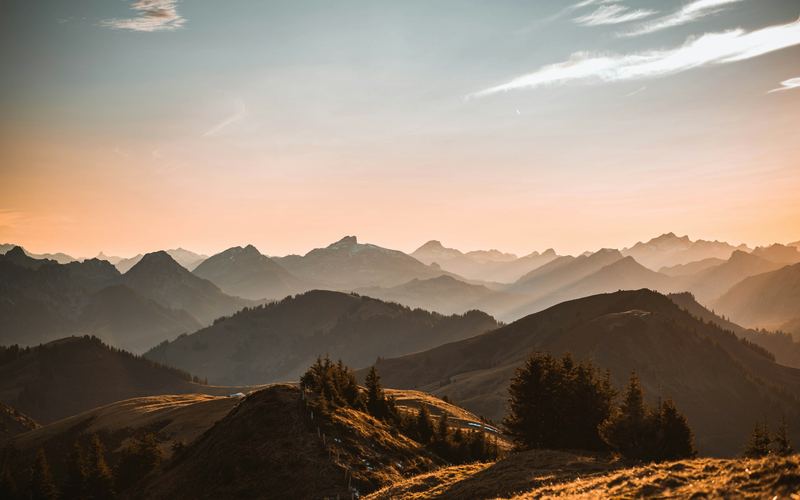
Poland view Poland view

Map View

Explore Poland on the map

Centered on the country’s main cities and scaled to keep the full destination in view.

place 5 Attractions public Google Maps style
search
Search area
Poland
Country location
Poland
Centred from 5 city points.
open_in_new Open in Google Maps

Poland travel overview

Poland suits cultural city tours, historical exploration, and seasonal outdoor activities. Cities such as Warsaw, Kraków, Wrocław, Gdańsk and Poznań showcase museums, medieval squares, and riverfronts, appealing to travelers interested in heritage and urban experiences. The moderate travel cost supports mid‑range budgets, and the May‑September window allows comfortable sightseeing and events across the country.

Poland view Poland view

Essential Travel Tips

Book Early

Popular routes and hotels fill quickly in peak season.

Mix Transport

Use trains between cities and local transit inside centers.

Stay Central

Base yourself near a walkable area to save time.

Cash Ready

Some small vendors still prefer cash for smaller purchases.

Pack Smart

Comfortable shoes matter more than anything else.

Frequently Asked Questions

What visa do I need to enter Poland? expand_more
Poland is part of the Schengen Area. Citizens of EU/EEA members and many other countries can enter visa‑free for short stays. Travelers from nations that do not have visa‑free agreements must obtain a Schengen visa before arrival. The visa permits travel throughout the Schengen zone for up to 90 days within a 180‑day period.
When is the ideal time of year to travel to Poland? expand_more
The most favorable period for visiting Poland runs from May to September. During these months the weather is generally warm and dry, making it suitable for city sightseeing, outdoor festivals, and exploring historic sites. This timeframe also aligns with the peak tourist season, offering a full range of cultural events and services.
How much should I budget for a mid‑range trip to Poland? expand_more
A moderate budget for Poland typically ranges from 70 to 120 USD per day per person. This estimate covers a three‑star hotel or private room, meals at mid‑range restaurants, local transportation, and entry fees to major attractions. Costs can vary by city, with Warsaw and Kraków tending toward the higher end of the range.
Which currency is used in Poland and where can I exchange it? expand_more
Poland uses the Polish złoty (PLN). Travelers can obtain złoty at banks, ATMs, and licensed exchange offices in airports, train stations, and city centers. Credit and debit cards are widely accepted in hotels, restaurants, and larger retailers, but it is advisable to carry some cash for smaller shops or markets that may prefer cash payments.
What safety precautions should I take while traveling in Poland? expand_more
Poland is generally safe for tourists, with low levels of violent crime. Common precautions include keeping personal belongings secure in crowded areas, especially in city centers and on public transport, and avoiding poorly lit streets late at night. Standard travel insurance and awareness of local emergency numbers (112) further enhance personal safety.
What are the must‑see cities for a first visit to Poland? expand_more
First‑time visitors often prioritize Warsaw, the capital with its reconstructed Old Town; Kraków, known for its medieval architecture and historic market square; Wrocław, famous for its colorful market hall; Gdańsk, a Baltic port with maritime heritage; and Poznań, noted for its renaissance buildings. Each city offers distinct cultural and historical attractions.
How does Poland’s climate vary throughout the year? expand_more
Poland experiences a temperate continental climate. Winters (December‑February) are cold, with temperatures often below freezing and occasional snowfall, especially in the eastern and southern regions. Summers (June‑August) are warm, with average highs around 25 °C (77 °F). Spring and autumn bring milder temperatures and variable weather, making them transitional seasons for travel.
What cultural experiences are common in Polish cities? expand_more
Polish cities host a variety of cultural activities, including museum visits, historic town‑square tours, and performances of classical music and theater. Seasonal festivals celebrate folk traditions, cuisine, and contemporary arts. Visitors can also explore markets offering regional foods, craft items, and seasonal products, providing insight into local customs and daily life.
What are the main options for traveling between Polish cities? expand_more
Inter‑city travel in Poland is well served by a network of fast and regional trains operated by PKP Intercity, offering comfortable connections between major hubs. Long‑distance buses provide economical alternatives, while domestic flights connect distant regions such as the north‑west and south‑east. Car rentals are also available for flexible itineraries.
Are there international airports in major Polish cities? expand_more
Yes. Warsaw Chopin Airport is the largest hub, handling the majority of international traffic. Other cities with international airports include Kraków John Paul II Airport, Gdańsk Lech Wałęsa Airport, and Wrocław‑Copernicus Airport. These airports offer direct flights to many European destinations and connections to domestic routes.